

Syncing
Restoring your latest save before the game starts.
Sign in to sync your progress across sessions and devices.
About Arcade GP
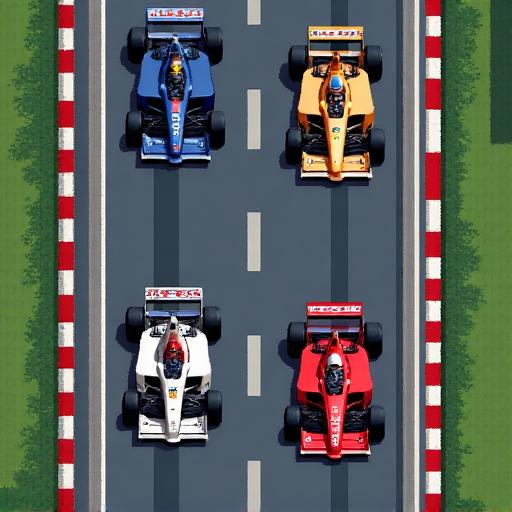
Tire wear and pit timing give this compact top-down racer more personality than its modest presentation suggests.
You’re not just hugging the inside line and hoping for the best here. This top-down Formula 1 racer adds a layer of race management that gives each lap some tension, because pushing too hard can punish your tires long before the finish. The retro presentation keeps the track readable at speed, and that matters when you’re threading through corners while watching rivals and thinking about when to pit. The AI pressure is steady without turning every race into chaos, so wins feel earned through cleaner decisions rather than random contact. What stands out most is how the pit stop element changes the rhythm: you’re constantly weighing short-term pace against staying out too long. It’s a compact racing game, but it captures that satisfying split between driving skill and race strategy better than most simple browser racers.
Strengths
- meaningful tire management
- clear retro track readability
- smart race pacing
Trade-offs
- limited visual variety
- distant top-down perspective
- strategy over raw speed
Best forPlayers who like racing games that reward planning, clean laps, and knowing exactly when to pit.
Instant Play
No install needed
Cross-Platform
Desktop & mobile
Safe & Curated
Verified source
How to Play
Focus on smooth laps first: braking late and sliding around will wear you down faster than you think. Beginner tip: learn how long your tires stay reliable before worrying about perfect pace. Strategic tip: treat pit timing as part of the race, not a panic button. Avoid burning every advantage early, because a reckless opening stint can leave you vulnerable when the field settles.
You Might Like
More in Racing & Driving
Cool SuperCars Stunts PvP
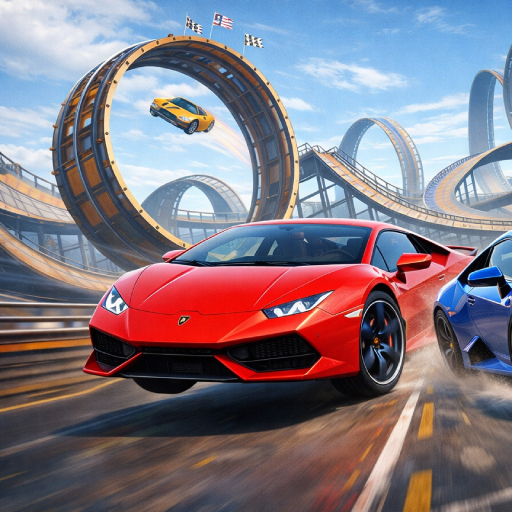
What stands out here is the mix of showy stunt driving and local rivalry. You're not chasing realism; you're whipping a low-slung supercar around ramps, trying to keep speed through turns, land cleanly after flips, and turn messy slides into something controlled. The handling feels built for exaggeration, which suits the city stunt setup and makes near-misses more fun than frustrating. The two-player option changes the mood completely, because every jump and drift becomes a little taunt across the screen. Solo play still has value thanks to the different modes and the simple pleasure of tuning your car before heading back out. It works best when you lean into the arcade chaos instead of trying to drive neatly. If you like racing games that reward swagger as much as precision, this one has enough variety to keep short sessions lively.
GT Traffic Racer
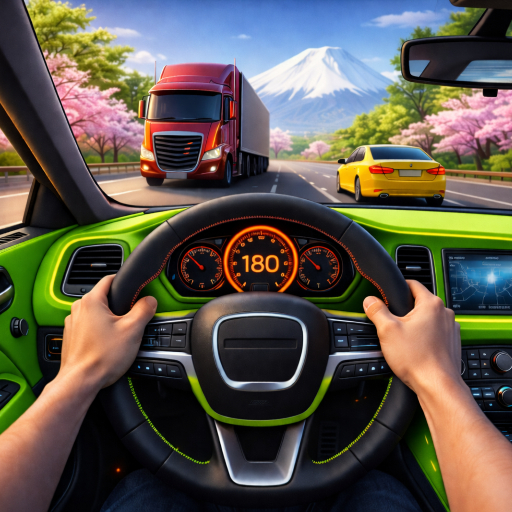
You spend most of your time threading fast cars through packed highway lanes, and that constant near-miss rhythm is what makes GT Traffic Racer work. The handling leans arcade, but there’s enough weight in the traffic flow that reckless weaving gets punished quickly. What stands out is the mix of long straight runs, nitro-assisted overtakes, and the small but useful decision of when to upgrade versus when to switch cars. The three highway backdrops help keep the repetition down, and the different modes give you a reason to approach each run a little differently instead of treating everything like a flat speed test. It’s at its best when you’re slipping past slower vehicles with barely any room, building momentum without clipping a bumper. You’re not learning a deep sim here; you’re chasing clean lines, smart boosts, and that satisfying feeling of surviving chaos at full speed.
Cars with Guns: Wasteland Showdown
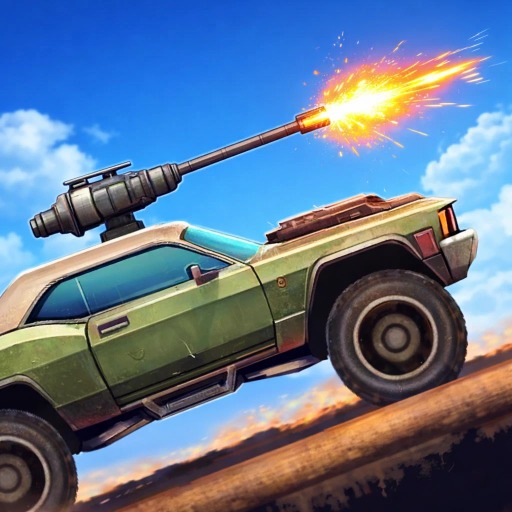
Every run feels like a scrappy job in a ruined desert where your car is both transport and weapon. You’re taking contracts, chasing cash, and trying to come back with enough loot to justify the damage you take along the way. The driving has a rough hill-climb rhythm, so success isn’t just about speed; it’s about keeping momentum over broken terrain while lining up shots on enemies before they crowd your flank. What stands out is the balance between racing ahead and managing risk. Push too hard and you’ll bounce into trouble with no control, but play too cautiously and you lose the pace that keeps you alive. The money-and-reputation loop gives each trip a purpose, and the wasteland theme works because everything feels improvised, harsh, and a little unstable in the right way.