
All Games
Discover 109 games to play right in your browser — no downloads needed.

Moto Bike Extreme Hill Stunts
You spend most of your time managing the bike’s balance, not just holding the throttle, and that is what gives this hill stunt racer some bite. The courses lean hard on steep climbs, awkward landings, and jumps that punish sloppy timing, so every clean run feels earned. You will be popping into flips for extra style, then immediately correcting the front wheel so you do not slam into the next ramp. The mountain and platform-heavy layouts keep the action moving, but the real hook is the way the physics force you to respect momentum. Push too hard and you overshoot. Hesitate and you lose the hill. It is at its best when a track looks simple, then turns into a chain of precise takeoffs and sketchy recoveries. If you like bike games that reward control over chaos, this one lands well.

Head Ball Challenge
You’re playing short, scrappy soccer matches where timing matters more than realism. The big-headed style gives every duel a slightly chaotic feel, especially when the ball starts bouncing awkwardly near goal and both players panic. What works here is the mix of quick reflex play and petty mind games: you can rush forward, hang back for counters, or pressure mistakes in local two-player matches. Career Mode gives the game more staying power than a one-joke party match, but the immediate appeal is still same-device competition and those messy, last-second goals. It’s simple to understand, yet there’s enough room to learn angles, recover after bad touches, and punish overeager opponents. If you like sports games that lean arcade over simulation, this one is easy to keep playing because every round feels fast, silly, and just tense enough.

Head Basketball Arena
You’re playing a stripped-down one-on-one basketball match where oversized characters turn every possession into a small, chaotic duel. What stands out here is how much you can tune before tipoff: character look, court setup, weather, AI level, and match length all let you shape whether the game feels casual or stubbornly competitive. Once the ball is live, it’s less about sim realism and more about timing your jumps, contesting shots, and using your body well in tight space. The exaggerated player size makes rebounds and loose balls feel scrappy in a good way, and matches move fast enough that one mistake can swing the score. It works best as a light arcade sports game, especially if you enjoy tweaking settings and immediately running another round to see if a shorter match or tougher opponent changes the rhythm.

Flag Football Game
You’re playing a lighter, quicker version of football where space matters more than brute force. Instead of grinding out contact, the fun comes from reading the field, slipping into open lanes, and choosing the right moment to pass before a defender closes in. Matches feel snappier than a full sim, which makes each possession matter and keeps the pressure on when you fall behind. The flag-pull setup gives the game a clean, arcade rhythm: one mistake can stop a drive fast, but a smart cut or well-timed throw can flip momentum just as quickly. It works best when you treat it like a positioning game rather than a power fantasy. If you like sports games that reward awareness and quick decisions over complicated systems, this one is easy to settle into and tough to play carelessly.

Letter Boom Blast Rush
You’re not just swinging at targets here; you’re shaving letters off chunky word blocks so your runner has a clean lane to the end. That small twist gives the whole thing a nice puzzle-sports rhythm. Each shot asks you to read fast, pick the useless letters, and avoid wrecking the word in a way that leaves extra obstacles standing. The baseball setup keeps it lively, but the real hook is timing your hits under pressure while the stage keeps pushing you forward. It’s lighter and sillier than a straight word game, yet there’s enough decision-making to keep it from feeling automatic. The best moments come when you spot the solution instantly and clear a path with one neat swing. It’s simple, quick to understand, and surprisingly satisfying when your aim and word sense line up.

Archery Master Bow and Arrow
You’re working with a simple target-shooting setup here: a bow, a small supply of arrows, and the pressure to make each shot count. That limited-arrow structure gives the game more tension than the usual casual sports clicker, because a bad release doesn’t just hurt your score, it wastes one of your chances to recover. The main appeal is chasing a cleaner round each time, learning how long to draw, watching your aim settle, and trying not to rush the release when the target looks easy. It’s light, direct, and built around repetition in a good way, with quick sessions that make retrying feel natural instead of tiring. There isn’t much extra decoration around the core idea, but that also keeps the focus where it should be: judging angle, timing your shot, and squeezing the most points possible out of a short run.

Idle Sprint Race 3D
You’re not simply mashing for speed here; you’re riding a thin line between acceleration and a wipeout. Each race in Idle Sprint Race 3D turns into a small rhythm test where your runner surges ahead when you push hard, but overdo it and the whole effort collapses in one awkward stumble. That risk-reward hook gives the game its personality. It feels closer to managing a sprinter’s burst than endlessly pumping out clicks, because pacing matters as much as raw input. The 3D track view keeps the action readable, and the short races make it easy to chase cleaner runs after a bad fall. There isn’t much depth beyond that central timing loop, but the loop itself is solid. If you like arcade racers with instant feedback and a little self-control baked into the challenge, this one lands its idea well.

Punch Champions
You work through a straight ladder of boxers, and the appeal is in reading each fight’s rhythm rather than wildly throwing punches. Punch Champions keeps things simple on the surface, but it pushes you to notice when an opponent is open, when they’re baiting you, and when a quick dodge matters more than one extra swing. The roster of eight challengers gives the game a clean arcade structure, so every bout feels like a step toward the belt instead of a random exhibition. What stands out is the pace: short exchanges, sudden momentum shifts, and constant pressure to balance offense with survival. If you play recklessly, you get punished fast. If you stay patient, mix your shots, and wait for mistakes, the matches become much more satisfying. It’s a lean boxing game that understands timing better than spectacle.
Ninja Wars: Battle Simulator
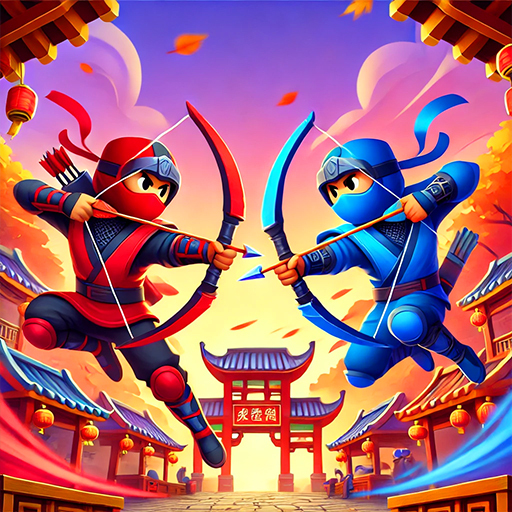
Winning here is less about flashy ninja fantasy and more about reading a battlefield before the first clash. You spend your time placing a small army of melee fighters and ranged support, then watching whether your setup actually holds once the lines collide. The mix of swordsmen, spearmen, and archers gives each round a clear puzzle feel: front line too thin and you fold instantly; too much defense and your damage arrives too late. What works is how quickly the game teaches spacing, counters, and formation discipline without burying you in systems. The 3D view makes it easy to judge where a weak flank is forming, and each level pushes you to adjust instead of repeating one safe layout. It feels closer to a compact tactics sandbox than an action game, with short battles that reward patience and a decent eye for positioning.

Color Jam 3D
You’re not lining up gems here; you’re managing a stream of crayons and trying not to clog your own workspace. Each move sends a crayon into a limited set of slots, and the real trick is deciding which colors to release first so you can clear triples and gradually complete the picture. That small bit of traffic management gives the puzzle its bite. Blocked crayons add just enough friction to keep you from playing on autopilot, because freeing the right piece can open the whole board. The coloring theme also helps the game stand out from a standard match-3 clone. Watching an image fill in as you solve makes every clean sequence feel more satisfying than a plain score chase. It stays relaxed, but there’s a steady undercurrent of planning that keeps later stages from turning mindless.

Bento Match
What looks like a cute tile puzzler has a surprisingly sharp edge once you notice how expensive sloppy moves can be. You’re sliding themed blocks around a cramped board, trying to line them up cleanly so they disappear without wasting space. The clever twist is that extra repositioning costs a life, so every non-clearing move feels like a small penalty you have to justify. That gives the whole thing a tidy risk-reward rhythm: do you shuffle pieces now to set up a better clear, or hold off and work with the mess you made? When the board opens up, being able to shift multiple blocks at once is where the game starts to feel satisfying instead of merely cute. Coins and collectible block sets add a nice long-tail reward, especially since rarer pieces are worth more and subtly change what you hope to see next.
Desert Rover Survival
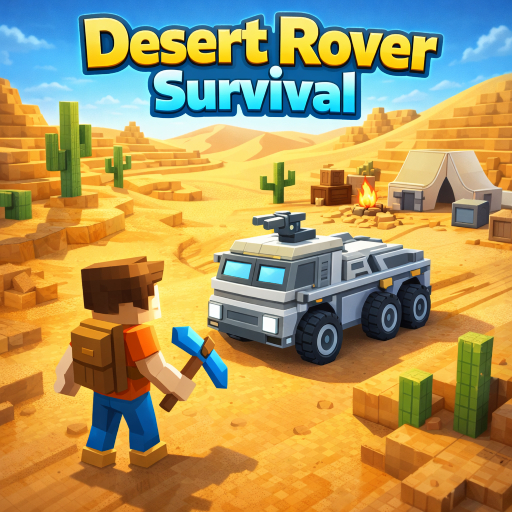
You spend most of your time balancing two pressures: keeping a fragile expedition running and turning a bare-bones machine into something that can actually survive the desert. The early stretch is deliberately modest, with small upgrades and basic choices that slowly snowball into a more capable rover. That pace suits the theme. Progress feels less like chasing flashy rewards and more like solving a practical problem one part at a time. What makes it work is the steady sense of improvement. Each upgrade has a clear purpose, so expanding your range across the wasteland feels earned rather than automatic. The idle structure also fits nicely, since you're usually deciding what deserves attention next instead of constantly clicking through chaos. If you like survival games with a lighter, low-pressure rhythm, this one finds a nice middle ground between management, building, and slow mechanical progress.
Russian Treasure Hunter
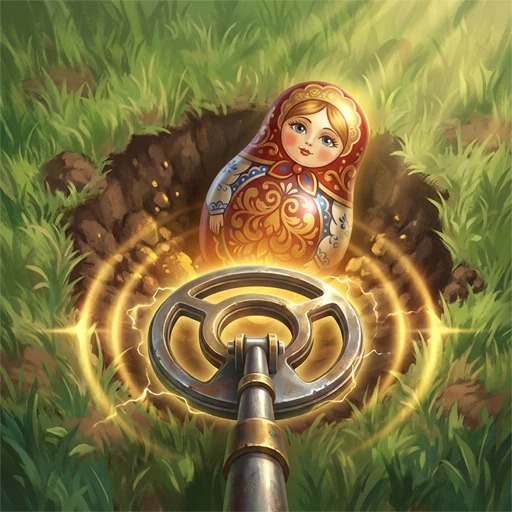
You spend most of your time reading a detector, judging when a promising patch of ground is worth the effort, and deciding whether one more sweep is smarter than heading back to town. That push and pull gives this mining sim its personality. It is not about flashy action; it is about patience, route choices, and the small thrill of noticing the signal creep upward before you finally dig. Selling what you find adds a steady economic layer, so every outing feels like a risk-reward calculation instead of a simple scavenger hunt. The backpack management matters more than you expect, because a careless haul can turn a productive run into a wasted one. What stands out is how methodical the loop feels: scan, commit, extract, cash out, upgrade, repeat. If you like slow-burn progression and tidy decision-making, this has a satisfying rhythm.

2 Player Games Kids Kitchen
You’re juggling a kid-friendly restaurant where the fun comes from sharing the workload instead of doing everything alone. One moment you’re prepping food, the next you’re rushing orders out before the queue gets messy, and that constant handoff is what gives the game its pace. It leans simple and colorful, but there’s still a satisfying rhythm to figuring out who should handle cooking, who should serve, and when switching roles saves a round. Playing with a friend is the whole point: the kitchen feels busiest when both of you are trying to stay efficient without getting in each other’s way. Solo play is lighter, but in co-op it becomes a small coordination test wrapped in bright, approachable restaurant chaos. It’s easy for younger players to understand, yet it still rewards paying attention to timing and order flow.
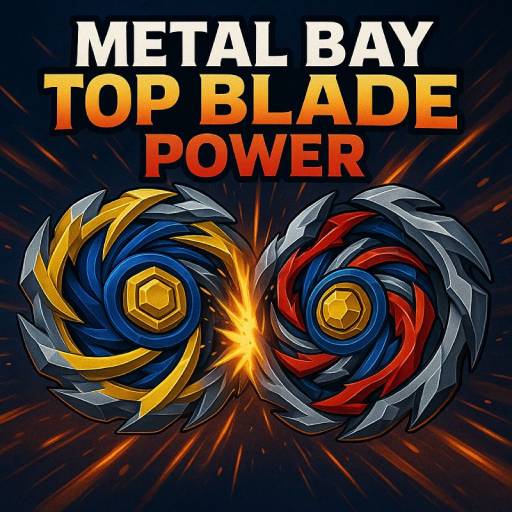
Metal Bay Top Blade Power
You spend most of your time circling for angle rather than charging straight in, which is what makes this arena battler work. Every clash in Metal Bay Top Blade Power feels like a small physics puzzle: do you cut across an opponent’s path, bump them off balance, or pull away before your own spin burns out? The top-down view keeps the action readable, and the match flow has a nice rhythm between aggressive hits and brief repositioning. It is simple to understand, but there is enough nuance in movement and contact to reward patience. The fun comes from learning how much momentum to carry into a collision and when to stop chasing a bad line. That makes each duel feel more deliberate than chaotic, even when the arena gets crowded and the impacts start stacking up.
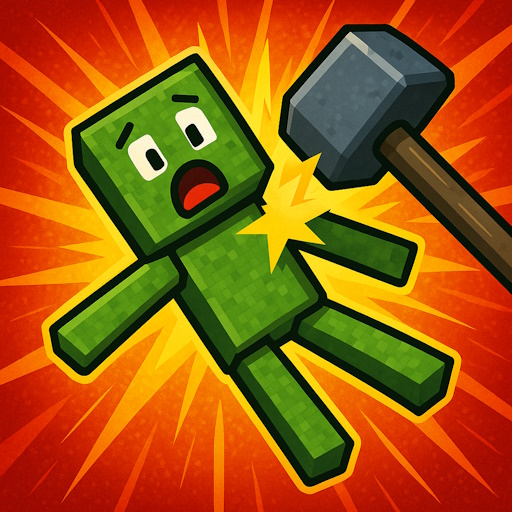
Sandbox - Destroy the Ragdoll
You spend most of your time turning a floppy dummy into a coin machine, and that simple hook works better than it should. Each round is about picking a weapon, hammering away, and watching the ragdoll bounce, crumple, and ricochet for extra payout. What keeps it from feeling totally mindless is the upgrade rhythm: stronger tools mean faster cash, but the fun is in testing how different loadouts change the damage flow. Background and character options add a bit of toy-box variety, even if the main appeal is still pure destruction and steady progress. It is a casual clicker through and through, so you are here for short bursts, satisfying impacts, and the little dopamine hit of unlocking something nastier. If you like games that turn chaos into currency, this one understands the assignment.

Goo Goo Gaga Clicker
What keeps you clicking here isn’t just the number climb; it’s the steadily stranger rhythm of unlocking one ridiculous Goo Goo Gaga form after another. The early game is pure tap-happy nonsense, but after a few upgrades it settles into a familiar idle groove where timing your spending matters more than mindless hammering. You’re chasing points, stacking passive gain, and deciding whether to push raw click strength or let the background income carry the load. The meme theme is intentionally absurd, and that silliness does a lot of the heavy lifting when the loop gets repetitive. Still, the game understands the appeal of short bursts: check in, buy a few boosts, watch progress speed up, repeat. If you like clickers that lean into internet-brain chaos without overcomplicating the formula, this one has a goofy, easy-to-digest hook.

Small Wardrobe
You spend your time sorting a tiny doll closet into something that actually feels curated instead of cluttered. The merge hook is simple: gather materials, combine matching items, and turn humble supplies into sweeter, more polished outfit pieces. What makes it work is the theme. This is less about chasing huge combo chains and more about slowly building a wardrobe full of soft, toy-like fashion details, from dresses to shoes and little add-ons that complete the look. The pace is gentle, but there is still a satisfying sense of progression as basic items become pieces you genuinely want to keep. If you like merge games with a calmer rhythm and a strong dress-up angle, this one stays focused on that loop without wandering into unnecessary complexity. It feels cozy, tidy, and pleasantly small-scale.

Cool SuperCars Stunts PvP
What stands out here is the mix of showy stunt driving and local rivalry. You're not chasing realism; you're whipping a low-slung supercar around ramps, trying to keep speed through turns, land cleanly after flips, and turn messy slides into something controlled. The handling feels built for exaggeration, which suits the city stunt setup and makes near-misses more fun than frustrating. The two-player option changes the mood completely, because every jump and drift becomes a little taunt across the screen. Solo play still has value thanks to the different modes and the simple pleasure of tuning your car before heading back out. It works best when you lean into the arcade chaos instead of trying to drive neatly. If you like racing games that reward swagger as much as precision, this one has enough variety to keep short sessions lively.

Thread Sort
You spend most of your time untangling color order on spools, but the clever hook is what happens after a clean solve: the sorted thread turns into a stitched picture. That little payoff gives each level a sense of purpose beyond clearing pegs. The puzzle itself is easy to read but not always easy to undo once you clog your empty spaces with the wrong shades. It has the same calm rhythm as liquid-sorting games, yet the sewing theme makes the whole thing feel warmer and more tactile. The visuals stay soft and cozy, and watching the final image fill in is genuinely satisfying instead of feeling like a throwaway reward. If you like low-pressure puzzle games that still punish sloppy planning, this one lands in a nice middle ground.

The Flowers: Merge and Sell Bouquets
You’re working inside a narrow, doorway-shaped garden where every placement matters more than it first seems. Each new bloom drops in from the top, and the pleasure comes from nudging matching flowers together, building them into fuller arrangements, then cashing out bouquets for coins before the space clogs up. The pruning shears add a nice bit of housekeeping, giving you a way to cut away junk pieces when the board gets awkward, but they don’t erase bad planning. What makes this one click is the balance between calm presentation and quietly demanding board management. You’re not just merging for bigger numbers; you’re deciding when to hold a promising chain, when to sell, and when to clear space before one bad placement ruins the whole run. It’s gentle, tidy, and more tactical than its soft garden theme suggests.
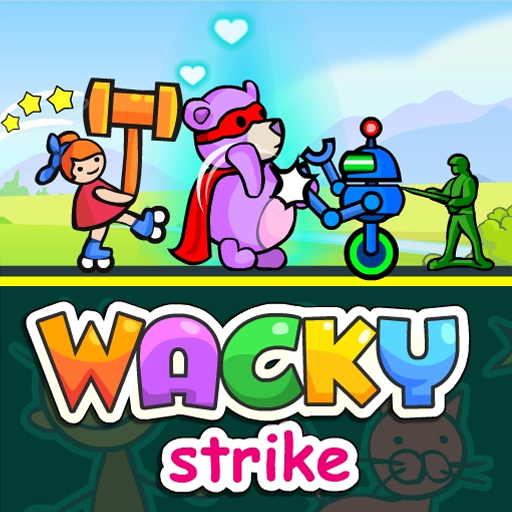
Wacky Strike
You’re picking a side, building up your lane, and trying to shove the front line all the way back to the opposing castle. Wacky Strike plays like a light strategy tug-of-war: towers and unit choices matter because every bad purchase slows your push and leaves your own base exposed. The cartoon setup is silly, but the actual rhythm is about timing reinforcements, claiming ground, and knowing when to spend on offense versus fortifying what you already hold. What makes it work is the constant pressure across the map. You’re not just waiting for a big army to form; you’re reacting to momentum swings and trying to stop one mistake from turning into a full collapse. It’s straightforward enough to grasp quickly, but there’s still some satisfaction in stabilizing a shaky lane and turning it into a decisive march on the enemy stronghold.
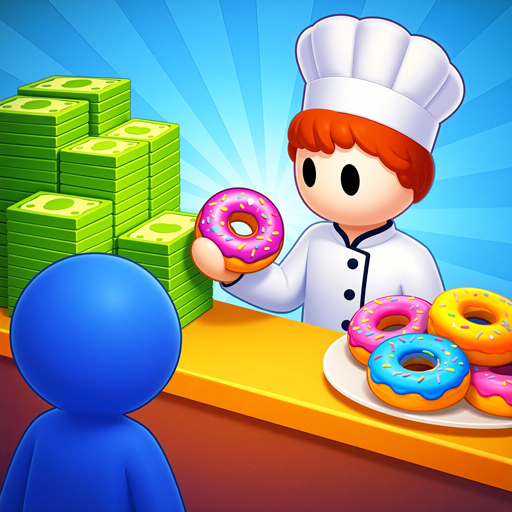
My Cake Shop: Bake & Serve
You spend most of your time hustling between stations, grabbing fresh pastries, tidying spills, and keeping the line from turning into a traffic jam. What makes this bakery sim work is the constant push-pull between quick chores and longer-term upgrades. One moment you're stocking sweets for impatient customers, the next you're deciding whether a better machine or a new location will save more time. The idle tycoon framing keeps progress moving, but it still feels hands-on because the floor gets messy fast and every delay ripples through the shop. My Cake Shop: Bake & Serve leans more arcade than deep management, which suits its breezy pace. It's easy to read, easy to settle into, and surprisingly good at making small efficiency gains feel satisfying when your once-chaotic counter finally starts flowing smoothly.

2048 Mayhem.io
Instead of calmly lining up tiles, you're herding a numbered tail through an arena full of opportunists. The hook in 2048 Mayhem.io is how it turns merging into a contact sport: you scoop up matching cubes, stitch them into bigger values, and suddenly every nearby player is either prey or a problem. Early rounds feel scrappy as you snake around loose pickups and protect your low-value chain, but the pace changes once you have enough mass to pressure smaller rivals. The dash adds a nice risk layer because burning it at the wrong time can hand someone an easy collapse. What works best is the constant tension between greed and survival. Chasing one more merge is tempting, yet smart runs come from clean movement, selective fights, and knowing when to peel away before the arena turns on you.