Syncing
Restoring your latest save before the game starts.
Sign in to sync your progress across sessions and devices.
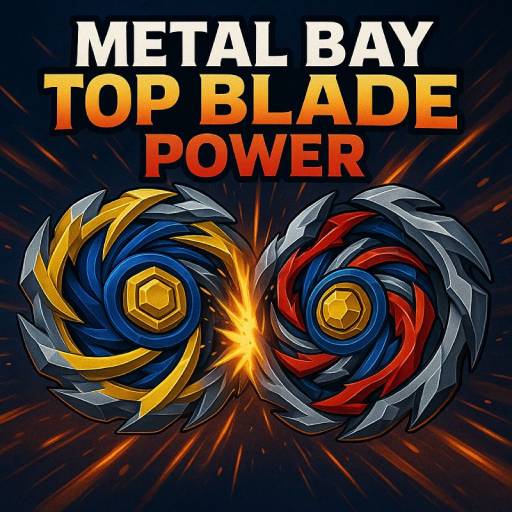
About Metal Bay Top Blade Power
Sharp little arena spinner that rewards angle, timing, and restraint more than reckless hits.
You spend most of your time circling for angle rather than charging straight in, which is what makes this arena battler work. Every clash in Metal Bay Top Blade Power feels like a small physics puzzle: do you cut across an opponent’s path, bump them off balance, or pull away before your own spin burns out? The top-down view keeps the action readable, and the match flow has a nice rhythm between aggressive hits and brief repositioning. It is simple to understand, but there is enough nuance in movement and contact to reward patience. The fun comes from learning how much momentum to carry into a collision and when to stop chasing a bad line. That makes each duel feel more deliberate than chaotic, even when the arena gets crowded and the impacts start stacking up.
Strengths
- readable top-down duels
- solid collision-based tactics
- good risk-reward pacing
Trade-offs
- limited combat variety
- matches can feel repetitive
- movement depth over spectacle
Best forPlayers who enjoy compact arena fighters where positioning and well-timed contact matter more than complex controls.
Instant Play
No install needed
Cross-Platform
Desktop & mobile
Safe & Curated
Verified source
How to Play
Guide your blade around the arena and use movement to set up stronger collisions. Beginner tip: keep moving in wide arcs so you can read enemy paths instead of rushing head-on. Strategic tip: attack from the side or after an opponent commits, since timing matters more than constant pressure. Avoid panic-chasing across the arena, which usually wastes position and leaves you open to a heavier hit.
You Might Like
More in Battle
Ninja Wars: Battle Simulator
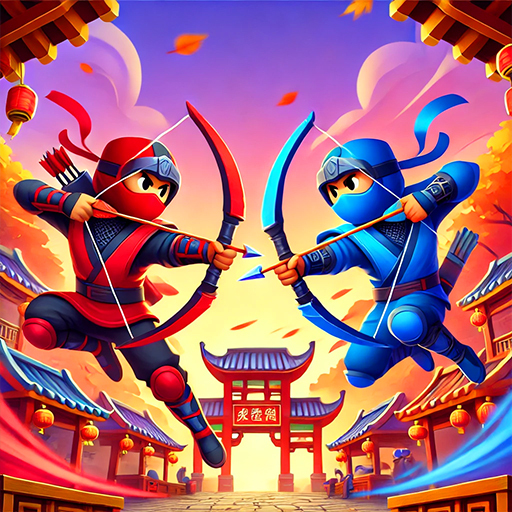
Winning here is less about flashy ninja fantasy and more about reading a battlefield before the first clash. You spend your time placing a small army of melee fighters and ranged support, then watching whether your setup actually holds once the lines collide. The mix of swordsmen, spearmen, and archers gives each round a clear puzzle feel: front line too thin and you fold instantly; too much defense and your damage arrives too late. What works is how quickly the game teaches spacing, counters, and formation discipline without burying you in systems. The 3D view makes it easy to judge where a weak flank is forming, and each level pushes you to adjust instead of repeating one safe layout. It feels closer to a compact tactics sandbox than an action game, with short battles that reward patience and a decent eye for positioning.
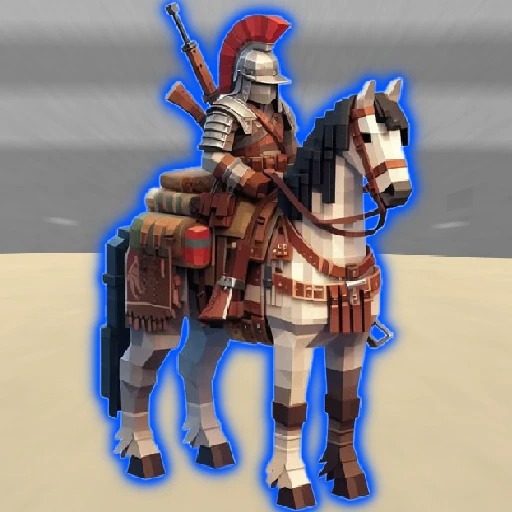
The Roman Empire Colosseum
Half the appeal here is the setup. You’re not mashing through a duel yourself; you’re arranging a small army, spacing it out, and then watching the Colosseum turn into a messy Roman-themed experiment. The fun comes from seeing whether your formation actually works once riders crash into the front line and heavier units start clogging the arena. It has that toy-soldier battle simulator feel where victory can hinge on one smart placement rather than raw numbers. The mix of warriors, mages, dwarves, titans, and cavalry gives each round a slightly different rhythm, especially when you start testing weird combinations just to see what holds. Because the action plays out automatically, the game leans more on planning than reflexes. If you enjoy tweaking lineups, spotting why a formation failed, and immediately trying a cleaner answer, this one stays entertaining longer than its simple premise suggests.
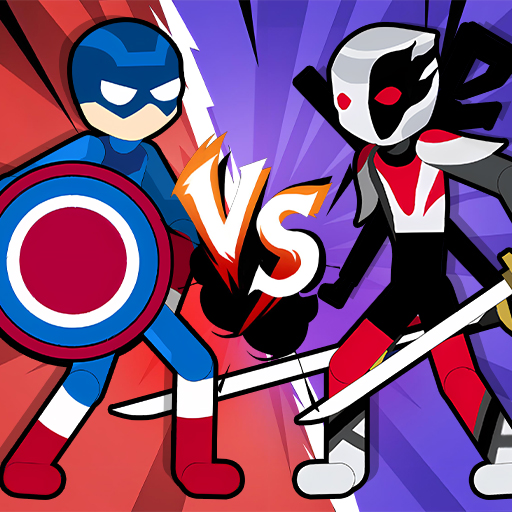
Stick Hero Battle
You’re dropped into short, scrappy arena fights where survival depends less on flashy chaos and more on reading space, picking moments, and not getting surrounded. The stick-figure look keeps everything clean, so you can track enemy movement, react quickly, and focus on timing instead of visual clutter. What stands out is the rhythm: you push in for damage, pull back before the crowd closes, then look for the next opening. That makes each round feel tense even though the setup is simple. It’s easy to understand in a minute, but staying alive takes sharper judgment than the minimalist style suggests. If you like battle games that strip things down to movement, spacing, and quick decisions, this one has a nice snap to it. It feels like a compact test of whether you can stay calm when the arena starts collapsing around you.
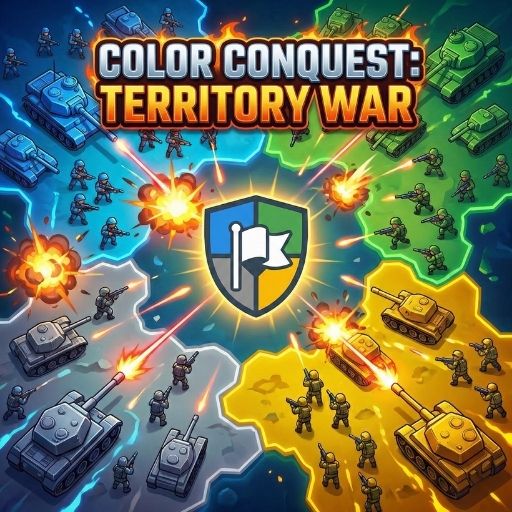
Color Conquest: Territory War
You spend most of your time reading the map rather than staring at individual fights, and that is what makes this territory battler work. Each faction changes the rhythm in a noticeable way: grey rewards slower, sturdier pushes, green lets you flood weak points, while blue and yellow sit in the middle and give you fewer excuses. The interesting part is how neutral zones pull you into risky expansion. Grabbing them boosts your capacity, but every stretch outward leaves something exposed, so overcommitting gets punished fast. Matches feel like a tug-of-war between greed and stability, with the camera constantly shifting to the next fire you need to put out. It is simple enough to understand in a minute, yet the faction differences and map control decisions give it more bite than a basic send-your-army skirmish.