ArcadeZone

This Week

New This Week

See All
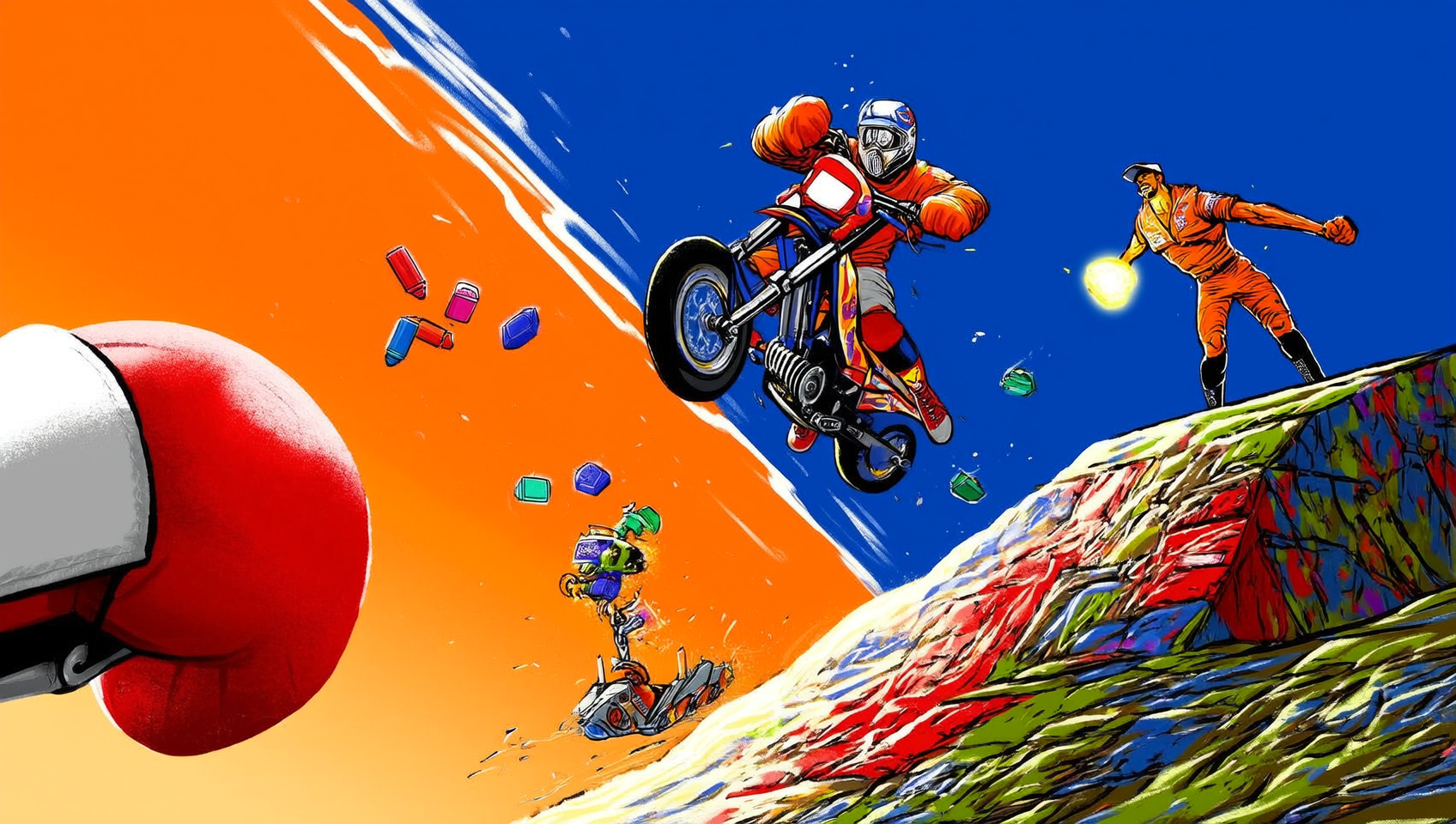
Moto Bike Extreme Hill Stunts

Moto Bike Extreme Hill Stunts

You spend most of your time managing the bike’s balance, not just holding the throttle, and that is what gives this hill stunt racer some bite. The courses lean hard on steep climbs, awkward landings, and jumps that punish sloppy timing, so every clean run feels earned. You will be popping into flips for extra style, then immediately correcting the front wheel so you do not slam into the next ramp. The mountain and platform-heavy layouts keep the action moving, but the real hook is the way the physics force you to respect momentum. Push too hard and you overshoot. Hesitate and you lose the hill. It is at its best when a track looks simple, then turns into a chain of precise takeoffs and sketchy recoveries. If you like bike games that reward control over chaos, this one lands well.

Head Ball Challenge

Head Ball Challenge

You’re playing short, scrappy soccer matches where timing matters more than realism. The big-headed style gives every duel a slightly chaotic feel, especially when the ball starts bouncing awkwardly near goal and both players panic. What works here is the mix of quick reflex play and petty mind games: you can rush forward, hang back for counters, or pressure mistakes in local two-player matches. Career Mode gives the game more staying power than a one-joke party match, but the immediate appeal is still same-device competition and those messy, last-second goals. It’s simple to understand, yet there’s enough room to learn angles, recover after bad touches, and punish overeager opponents. If you like sports games that lean arcade over simulation, this one is easy to keep playing because every round feels fast, silly, and just tense enough.

Head Basketball Arena

Head Basketball Arena

You’re playing a stripped-down one-on-one basketball match where oversized characters turn every possession into a small, chaotic duel. What stands out here is how much you can tune before tipoff: character look, court setup, weather, AI level, and match length all let you shape whether the game feels casual or stubbornly competitive. Once the ball is live, it’s less about sim realism and more about timing your jumps, contesting shots, and using your body well in tight space. The exaggerated player size makes rebounds and loose balls feel scrappy in a good way, and matches move fast enough that one mistake can swing the score. It works best as a light arcade sports game, especially if you enjoy tweaking settings and immediately running another round to see if a shorter match or tougher opponent changes the rhythm.

Flag Football Game

Flag Football Game

You’re playing a lighter, quicker version of football where space matters more than brute force. Instead of grinding out contact, the fun comes from reading the field, slipping into open lanes, and choosing the right moment to pass before a defender closes in. Matches feel snappier than a full sim, which makes each possession matter and keeps the pressure on when you fall behind. The flag-pull setup gives the game a clean, arcade rhythm: one mistake can stop a drive fast, but a smart cut or well-timed throw can flip momentum just as quickly. It works best when you treat it like a positioning game rather than a power fantasy. If you like sports games that reward awareness and quick decisions over complicated systems, this one is easy to settle into and tough to play carelessly.


What We're Playing

Featured

Fun Mini Games For Kids

Fun Mini Games For Kids

You’re bouncing between several light activities instead of settling into one long session, and that’s the whole appeal here. One moment you’re sorting shapes, the next you’re tidying a room, picking outfits, or poking around in a simple doctor-themed task. The collection clearly aims at younger players, so nothing feels punishing or rushed. Each mini-game is built around quick recognition, basic choices, and bright visual feedback that keeps things moving even when the idea is very simple. What stands out is the variety of pretend-play themes mixed with easy puzzle prompts, which gives the game a scrapbook feel rather than a strict arcade structure. It’s best approached as a grab bag for short attention spans: you try one activity, finish in a minute or two, then hop to another. That loose rhythm works well, even if some mini-games are much thinner than others.

2 Player Games Kids Kitchen

2 Player Games Kids Kitchen

You’re juggling a kid-friendly restaurant where the fun comes from sharing the workload instead of doing everything alone. One moment you’re prepping food, the next you’re rushing orders out before the queue gets messy, and that constant handoff is what gives the game its pace. It leans simple and colorful, but there’s still a satisfying rhythm to figuring out who should handle cooking, who should serve, and when switching roles saves a round. Playing with a friend is the whole point: the kitchen feels busiest when both of you are trying to stay efficient without getting in each other’s way. Solo play is lighter, but in co-op it becomes a small coordination test wrapped in bright, approachable restaurant chaos. It’s easy for younger players to understand, yet it still rewards paying attention to timing and order flow.

Goo Goo Gaga Clicker

Goo Goo Gaga Clicker

What keeps you clicking here isn’t just the number climb; it’s the steadily stranger rhythm of unlocking one ridiculous Goo Goo Gaga form after another. The early game is pure tap-happy nonsense, but after a few upgrades it settles into a familiar idle groove where timing your spending matters more than mindless hammering. You’re chasing points, stacking passive gain, and deciding whether to push raw click strength or let the background income carry the load. The meme theme is intentionally absurd, and that silliness does a lot of the heavy lifting when the loop gets repetitive. Still, the game understands the appeal of short bursts: check in, buy a few boosts, watch progress speed up, repeat. If you like clickers that lean into internet-brain chaos without overcomplicating the formula, this one has a goofy, easy-to-digest hook.

Russian Treasure Hunter

Russian Treasure Hunter

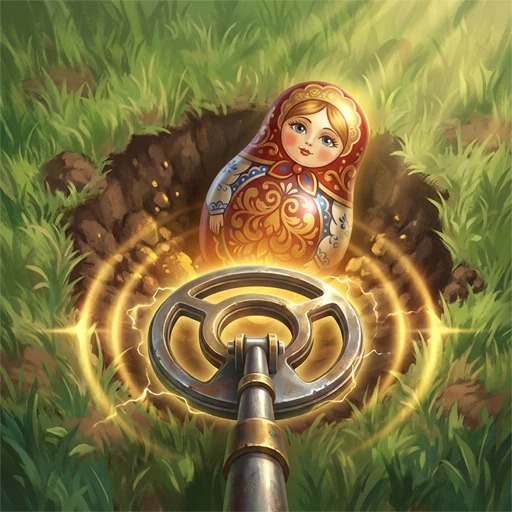
You spend most of your time reading a detector, judging when a promising patch of ground is worth the effort, and deciding whether one more sweep is smarter than heading back to town. That push and pull gives this mining sim its personality. It is not about flashy action; it is about patience, route choices, and the small thrill of noticing the signal creep upward before you finally dig. Selling what you find adds a steady economic layer, so every outing feels like a risk-reward calculation instead of a simple scavenger hunt. The backpack management matters more than you expect, because a careless haul can turn a productive run into a wasted one. What stands out is how methodical the loop feels: scan, commit, extract, cash out, upgrade, repeat. If you like slow-burn progression and tidy decision-making, this has a satisfying rhythm.

Head Ball Challenge

Head Ball Challenge

You’re playing short, scrappy soccer matches where timing matters more than realism. The big-headed style gives every duel a slightly chaotic feel, especially when the ball starts bouncing awkwardly near goal and both players panic. What works here is the mix of quick reflex play and petty mind games: you can rush forward, hang back for counters, or pressure mistakes in local two-player matches. Career Mode gives the game more staying power than a one-joke party match, but the immediate appeal is still same-device competition and those messy, last-second goals. It’s simple to understand, yet there’s enough room to learn angles, recover after bad touches, and punish overeager opponents. If you like sports games that lean arcade over simulation, this one is easy to keep playing because every round feels fast, silly, and just tense enough.

Sandbox - Destroy the Ragdoll

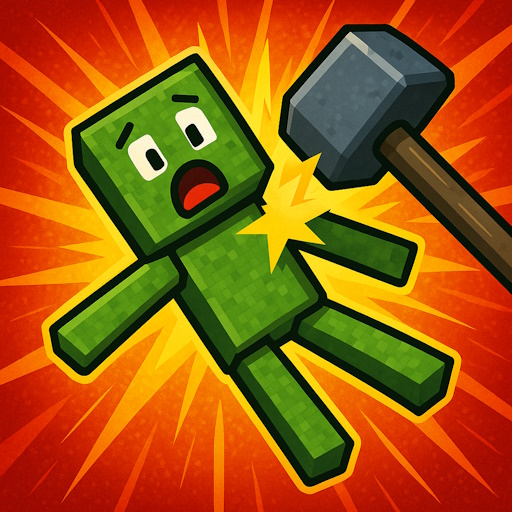
Sandbox - Destroy the Ragdoll

You spend most of your time turning a floppy dummy into a coin machine, and that simple hook works better than it should. Each round is about picking a weapon, hammering away, and watching the ragdoll bounce, crumple, and ricochet for extra payout. What keeps it from feeling totally mindless is the upgrade rhythm: stronger tools mean faster cash, but the fun is in testing how different loadouts change the damage flow. Background and character options add a bit of toy-box variety, even if the main appeal is still pure destruction and steady progress. It is a casual clicker through and through, so you are here for short bursts, satisfying impacts, and the little dopamine hit of unlocking something nastier. If you like games that turn chaos into currency, this one understands the assignment.

Dream Kitchen

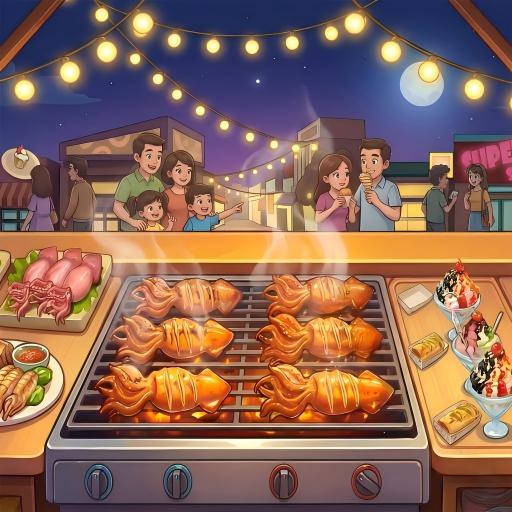
Dream Kitchen

You spend most of your time juggling tiny delays that turn into big problems: a griddle left occupied too long, an order assembled in the wrong sequence, a customer queue that suddenly gets impatient. Dream Kitchen works because it keeps widening the menu without losing that click-fast clarity. One chapter has you managing pancakes, another shifts the rhythm with street-food timing, then later kitchens ask you to balance several stations at once. The star system pushes you to replay levels for cleaner runs rather than just scrape by, and the coin upgrades make a real difference when service starts to snowball. It is still a light, accessible cooking game, but the pressure curve is tuned well enough that you notice yourself getting sharper with each stage. The best moments come when a messy counter somehow turns into a perfect streak.

Ninja Wars: Battle Simulator

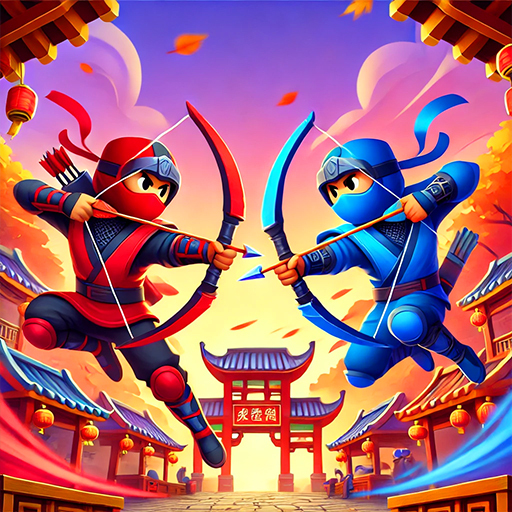
Ninja Wars: Battle Simulator

Winning here is less about flashy ninja fantasy and more about reading a battlefield before the first clash. You spend your time placing a small army of melee fighters and ranged support, then watching whether your setup actually holds once the lines collide. The mix of swordsmen, spearmen, and archers gives each round a clear puzzle feel: front line too thin and you fold instantly; too much defense and your damage arrives too late. What works is how quickly the game teaches spacing, counters, and formation discipline without burying you in systems. The 3D view makes it easy to judge where a weak flank is forming, and each level pushes you to adjust instead of repeating one safe layout. It feels closer to a compact tactics sandbox than an action game, with short battles that reward patience and a decent eye for positioning.

Head Ball Challenge

Head Ball Challenge

You’re playing short, scrappy soccer matches where timing matters more than realism. The big-headed style gives every duel a slightly chaotic feel, especially when the ball starts bouncing awkwardly near goal and both players panic. What works here is the mix of quick reflex play and petty mind games: you can rush forward, hang back for counters, or pressure mistakes in local two-player matches. Career Mode gives the game more staying power than a one-joke party match, but the immediate appeal is still same-device competition and those messy, last-second goals. It’s simple to understand, yet there’s enough room to learn angles, recover after bad touches, and punish overeager opponents. If you like sports games that lean arcade over simulation, this one is easy to keep playing because every round feels fast, silly, and just tense enough.

Sandbox - Destroy the Ragdoll

Sandbox - Destroy the Ragdoll

You spend most of your time turning a floppy dummy into a coin machine, and that simple hook works better than it should. Each round is about picking a weapon, hammering away, and watching the ragdoll bounce, crumple, and ricochet for extra payout. What keeps it from feeling totally mindless is the upgrade rhythm: stronger tools mean faster cash, but the fun is in testing how different loadouts change the damage flow. Background and character options add a bit of toy-box variety, even if the main appeal is still pure destruction and steady progress. It is a casual clicker through and through, so you are here for short bursts, satisfying impacts, and the little dopamine hit of unlocking something nastier. If you like games that turn chaos into currency, this one understands the assignment.

Dream Kitchen

Dream Kitchen

You spend most of your time juggling tiny delays that turn into big problems: a griddle left occupied too long, an order assembled in the wrong sequence, a customer queue that suddenly gets impatient. Dream Kitchen works because it keeps widening the menu without losing that click-fast clarity. One chapter has you managing pancakes, another shifts the rhythm with street-food timing, then later kitchens ask you to balance several stations at once. The star system pushes you to replay levels for cleaner runs rather than just scrape by, and the coin upgrades make a real difference when service starts to snowball. It is still a light, accessible cooking game, but the pressure curve is tuned well enough that you notice yourself getting sharper with each stage. The best moments come when a messy counter somehow turns into a perfect streak.

Ninja Wars: Battle Simulator

Ninja Wars: Battle Simulator

Winning here is less about flashy ninja fantasy and more about reading a battlefield before the first clash. You spend your time placing a small army of melee fighters and ranged support, then watching whether your setup actually holds once the lines collide. The mix of swordsmen, spearmen, and archers gives each round a clear puzzle feel: front line too thin and you fold instantly; too much defense and your damage arrives too late. What works is how quickly the game teaches spacing, counters, and formation discipline without burying you in systems. The 3D view makes it easy to judge where a weak flank is forming, and each level pushes you to adjust instead of repeating one safe layout. It feels closer to a compact tactics sandbox than an action game, with short battles that reward patience and a decent eye for positioning.

Limited Time

Merch Flash Sale

Placeholder for featured promotions and seasonal campaigns.

Shop Now

Puzzle

See All
Bento Match

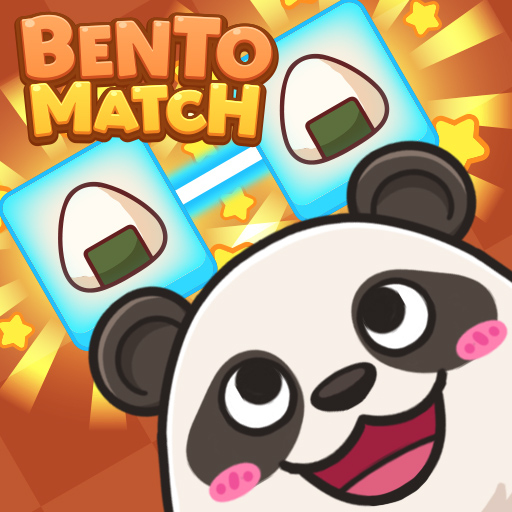
Bento Match

What looks like a cute tile puzzler has a surprisingly sharp edge once you notice how expensive sloppy moves can be. You’re sliding themed blocks around a cramped board, trying to line them up cleanly so they disappear without wasting space. The clever twist is that extra repositioning costs a life, so every non-clearing move feels like a small penalty you have to justify. That gives the whole thing a tidy risk-reward rhythm: do you shuffle pieces now to set up a better clear, or hold off and work with the mess you made? When the board opens up, being able to shift multiple blocks at once is where the game starts to feel satisfying instead of merely cute. Coins and collectible block sets add a nice long-tail reward, especially since rarer pieces are worth more and subtly change what you hope to see next.

Thread Sort

Thread Sort

You spend most of your time untangling color order on spools, but the clever hook is what happens after a clean solve: the sorted thread turns into a stitched picture. That little payoff gives each level a sense of purpose beyond clearing pegs. The puzzle itself is easy to read but not always easy to undo once you clog your empty spaces with the wrong shades. It has the same calm rhythm as liquid-sorting games, yet the sewing theme makes the whole thing feel warmer and more tactile. The visuals stay soft and cozy, and watching the final image fill in is genuinely satisfying instead of feeling like a throwaway reward. If you like low-pressure puzzle games that still punish sloppy planning, this one lands in a nice middle ground.

2048 Merge World

2048 Merge World

You’re working with a familiar 2048 setup, but this version keeps the appeal where it belongs: in the steady pressure of managing space before the board locks up. Every move matters because small mistakes linger for several turns, and a careless merge can scatter your high-value tiles into awkward positions. The fun comes from building order out of a grid that always wants to become messy. Chasing bigger numbers is satisfying, but the real challenge is keeping your layout stable while lower tiles keep appearing and clogging useful lanes. It’s easy to learn in seconds, yet it rewards patience more than speed. If you like puzzle games that feel calm on the surface but punish sloppy planning, this one delivers that classic number-merging tension without overcomplicating the formula.

Stack Tower Pro

Stack Tower Pro

You spend most of your time watching the edge of each block, waiting for that tiny window where a clean drop keeps the tower stable. Stack Tower Pro turns a simple idea into a steady test of timing: each placement feels easy until your rhythm slips and the whole structure starts looking dangerously uneven. The 3D presentation helps you read the stack, but it also makes small mistakes feel bigger because every offset is visible. What works here is the pacing. Rounds move quickly, so you stay in that "one more try" loop without much downtime, and chasing a taller build becomes its own little obsession. The unlockable themes give you a reason to keep going, but the real hook is improving your accuracy from drop to drop. It's a neat precision puzzler that stays focused on balance instead of overcomplicating the formula.

Magic Bottles

Magic Bottles

You spend most of your time reading the top layer of each bottle and looking two or three moves ahead, which is exactly why this color-sorting puzzler works so well. Each level starts simple, but the challenge quickly shifts from obvious pours to careful sequencing. One bad transfer can trap a color under the wrong stack and force you to untangle the whole setup. The pace stays calm, though, so it feels more like straightening out a knot than racing a timer. What makes it satisfying is the way messy arrangements slowly become clean, uniform sets through logic rather than luck. If you like puzzle games that reward patience and tidy thinking, this one has a nice rhythm. It is easy to understand in seconds, but later layouts make you earn every perfectly sorted bottle.

That's my seat!

That's my seat!

You spend each round untangling a small social puzzle: who belongs in which chair, and which clue actually matters first. The hook is the seating setup itself. Instead of matching colors or clearing tiles, you're reading relationships, testing possibilities, and narrowing the board until every person lands in the only spot that fits. It has the tidy satisfaction of a logic-grid puzzle without the heavier presentation those games sometimes drag around. The best moments come when one tiny clue unlocks the whole arrangement and a messy row of guesses suddenly clicks into place. Because the goal stays focused, the pace feels calm rather than rushed, which makes it easy to play in short sessions. If you like deduction puzzles that reward careful attention more than speed, this one gives you a clean, approachable brain workout.

Yarn Fever! Unravel Puzzle

Yarn Fever! Unravel Puzzle

You’re not just matching colors here; you’re untangling a board that keeps tightening the more carelessly you play. Each level asks you to pull strands from knitted pieces and route them into the right containers, which turns a simple sorting idea into a light logic puzzle. The hook is the way clutter builds: one bad move can block a useful lane, while a patient sequence clears space and makes the whole board suddenly readable. Extra tools like added slots and cleanup-style helpers keep harder stages from becoming tedious, but the game works best when you rely on planning instead of rescue items. The bright fabric look and soft pacing make it easy to settle into, yet there’s enough friction in the later layouts to keep your brain engaged. It’s a calm puzzle game, but not a mindless one.

Word Search Universe 2

Word Search Universe 2

You’re scanning dense letter grids for themed words, but the hook here is how steadily the game broadens its subjects. One round has you picking out food terms in seconds; the next slows you down with history or science vocabulary that blends into the board more convincingly. That variety keeps the pace calm without making it brainless. The interface stays uncluttered, so your attention goes straight to pattern spotting and the small satisfaction of clearing a list cleanly. It’s a good puzzle game for short sessions because each board gives you a tidy objective and a clear finish, yet the rotating topics stop the routine from going stale. If you like word games that lean more on observation than trivia, this one lands nicely between relaxing and quietly demanding.

Relaxing cubes and campfire

Relaxing cubes and campfire

You’re not racing a clock here; you’re settling into a slow, steady block puzzler where the real hook is the mood. Each turn asks you to fit cube pieces onto the board and clear full rows or columns, but the campfire theme changes how the whole loop feels. Instead of pushing tension, it gives you room to think a move ahead and keep the grid tidy. That makes small mistakes stand out more, because one awkward placement can box out the larger shapes you’ll wish you had saved space for later. The satisfaction comes from maintaining a clean board and squeezing value from simple-looking pieces, not chasing flashy effects. If you like puzzle games that let you relax without turning your brain off, this one has a calm, almost meditative rhythm that suits short sessions especially well.

Slide Block Puzzle

Slide Block Puzzle

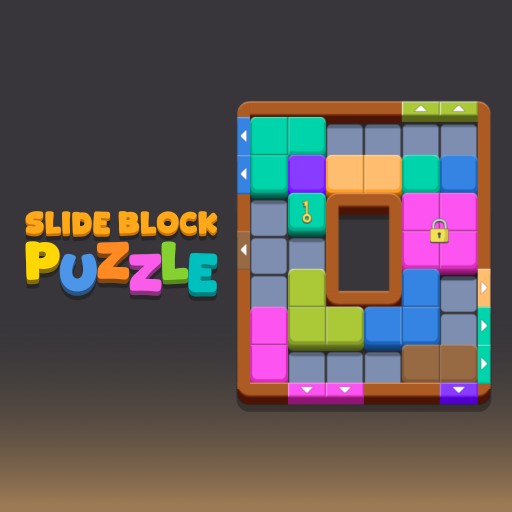
What makes this one work is how cleanly it turns a simple sliding puzzle into a color-routing problem. You are not just shuffling blocks around until space opens up; you are trying to line each piece up with the correct path and exit, which gives every move a little more purpose. The pace is quiet and deliberate, so it feels more like untangling a compact logic box than racing through brainteasers. Early layouts teach you how to create room without much friction, then later boards start punishing careless moves and blocked lanes. I liked that the challenge comes from position and order rather than gimmicks. When you solve a board, the result feels earned because the answer usually depends on setting up several pieces in sequence. If you want a puzzle game that stays calm while still making you think ahead, this is a solid fit.

Advertisement

Sponsored

Your Ad Could Be Here

Placeholder slot matching a homepage banner unit.

970 × 90

Casual

See All
Desert Rover Survival

Desert Rover Survival

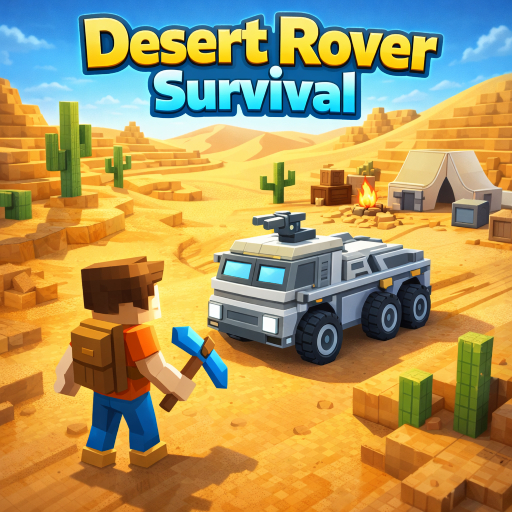
You spend most of your time balancing two pressures: keeping a fragile expedition running and turning a bare-bones machine into something that can actually survive the desert. The early stretch is deliberately modest, with small upgrades and basic choices that slowly snowball into a more capable rover. That pace suits the theme. Progress feels less like chasing flashy rewards and more like solving a practical problem one part at a time. What makes it work is the steady sense of improvement. Each upgrade has a clear purpose, so expanding your range across the wasteland feels earned rather than automatic. The idle structure also fits nicely, since you're usually deciding what deserves attention next instead of constantly clicking through chaos. If you like survival games with a lighter, low-pressure rhythm, this one finds a nice middle ground between management, building, and slow mechanical progress.

Sandbox - Destroy the Ragdoll

Sandbox - Destroy the Ragdoll

You spend most of your time turning a floppy dummy into a coin machine, and that simple hook works better than it should. Each round is about picking a weapon, hammering away, and watching the ragdoll bounce, crumple, and ricochet for extra payout. What keeps it from feeling totally mindless is the upgrade rhythm: stronger tools mean faster cash, but the fun is in testing how different loadouts change the damage flow. Background and character options add a bit of toy-box variety, even if the main appeal is still pure destruction and steady progress. It is a casual clicker through and through, so you are here for short bursts, satisfying impacts, and the little dopamine hit of unlocking something nastier. If you like games that turn chaos into currency, this one understands the assignment.

Axe Throw

Axe Throw

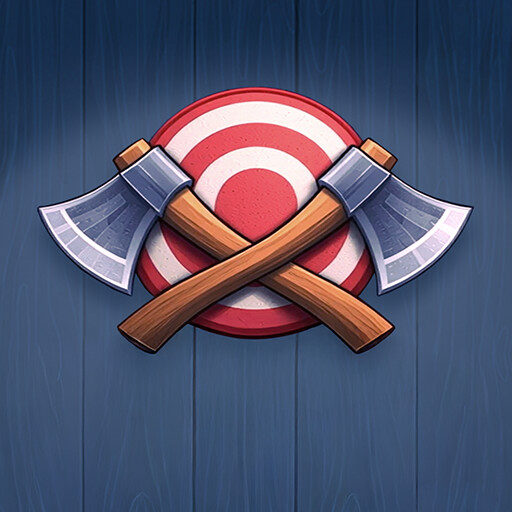
What makes this one work is how quickly it turns a simple throw into a timing puzzle. You line up each axe shot, but the target is only half the problem; moving bombs keep sliding through your path and force you to wait for a clean lane. That split-second hesitation is where most rounds are won or lost. It feels less like a power fantasy and more like a steady nerve test, because rushing usually ends with a blown attempt. The arc is easy to read, so misses feel like your mistake rather than random bad luck. That gives each successful hit a satisfying snap. As a casual browser game, it stays focused on one idea and pushes it just enough: judge the angle, watch the hazards, and commit when the opening appears.

Rich Choice Run

Rich Choice Run

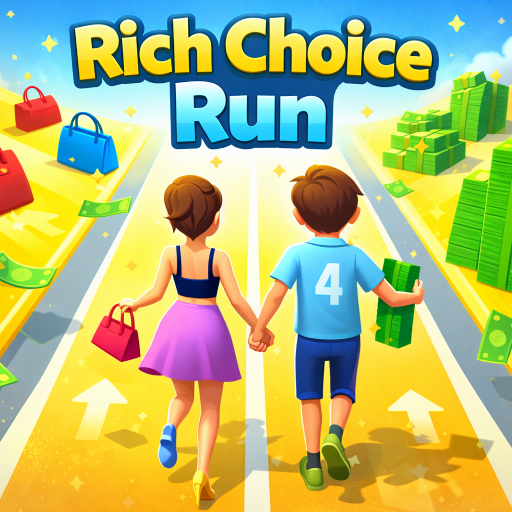
Success here comes from reading each lane a second before you reach it. You're steering through a glossy runner where money, status, and relationship picks all feed into the lifestyle you're building, so every collectible feels like a vote for your final outcome. The joke is how openly shallow it is: you chase luxury, dodge cheap setbacks, and watch your value rise or fall in plain view. That gives the run a sharper identity than a generic lane dodger, because you're not only avoiding trouble, you're curating an image. It still plays fast, but the better runs come from committing to a path early instead of twitching after every item. Short rounds and immediate feedback make failures easy to read, and the theme is silly enough to stay amusing without needing much depth. It's simple, but it knows exactly what kind of nonsense it wants to be.

Cunning Ginger

Cunning Ginger

You’re guiding a sharp little ginger cat through a simple but surprisingly tense catching game where greed gets punished fast. Food drops in among hazards, so every move is a quick choice between grabbing one more snack or sliding out of danger. What makes it work is the rhythm: a few easy catches lull you in, then the screen gets busy enough that you start reading patterns instead of reacting blindly. The travel theme gives the run a light, playful tone, but the real hook is that constant balance between feeding Ginger and keeping him safe. It feels closer to an old-school reflex score chase than a pure kids game, because hesitation and overcommitting both cost you. If you like casual arcade games with a cute surface and a mildly stressful core, this one stays engaging longer than you’d expect.

Colossatron

Colossatron

You’re not steering a hero here; you’re assembling a city-leveling machine one module at a time. The smart twist in Colossatron is how it blends quick color matching with the constant pressure of keeping a giant mechanical serpent alive under heavy fire. Linking matching modules isn’t just a scoring gimmick, it changes the shape of your offense, so every attachment feels like a small engineering decision made in panic. One moment you’re stretching for a combo, the next you’re rerouting your body to survive tanks, helicopters, and boss attacks. That push and pull gives the game its personality. It looks chaotic, but the best runs come from disciplined building rather than random collecting. Colossatron works because destruction is only half the appeal; the real hook is watching your improvised weapon train become strangely elegant as the battlefield gets more crowded.

Dungeon Master – Cult & Craft

Dungeon Master – Cult & Craft

You spend most of your time balancing a small underground operation that gradually turns into a busy little cult-management machine. The hook here is not combat or dungeon crawling so much as watching plain stick-figure workers get assigned, gather ore, and feed a steady crafting loop that keeps your base growing. It has that satisfying casual rhythm where one upgrade unlocks the next need, so you're always choosing whether to expand, produce, or stabilize what you already built. The dungeon theme gives the management loop a slightly mischievous edge, but the tone stays light thanks to the simple 3D look and stickman followers. What works best is the sense of control: you are less a villain and more an overseer trying to keep labor, materials, and expansion from falling out of sync. It is easy to pick up, but surprisingly easy to mismanage when you grow too fast.

Obby Pinata Party

Obby Pinata Party

You spend most of your time here smacking pinatas for coins, then deciding whether to cash in for stronger gear or push a little farther into the next area. That simple loop gives Obby Pinata Party its hook. The obby-style look keeps things light and toy-like, but there’s a steady sense of progress as your weapons hit harder and the money starts coming in faster. It feels less like a precision platformer and more like a breezy upgrade grinder with playful targets and a clear reward cycle. What works is the pacing: early rounds move quickly, and every upgrade has an immediate effect on how fast you can tear through another batch. It’s easy to dip into for a few minutes, especially if you like watching small power boosts stack into much faster runs.

FlowBall

FlowBall

You’re steering a glowing ball through a narrow 3D tunnel where the challenge comes from rhythm as much as reflex. The course keeps asking for small corrections, quick lane changes, and calm timing when gaps open up under you. What makes this one work is the sense of speed: the tunnel pulls you forward hard, but the game still gives you just enough room to recover if you stay composed. Collecting light points adds a useful layer beyond simple survival, since every run feels tied to unlocking more and pushing a little farther than before. The gravity-defying sections give it a slightly disorienting edge, especially when the path tilts and the safe route stops feeling obvious. It’s a straightforward arcade loop, but the glowing visuals, constant motion, and pressure of limited lives make mistakes sting in a satisfying way.

Ole Bunny

Ole Bunny

You spend most of your time reading space rather than chasing points. The rabbit moves in looping arcs, so every rose grab feels like a small geometry puzzle: commit too early and a bull cuts off your path, hesitate and the arena tightens around you. That odd circular movement is what gives Ole Bunny its personality. It turns a simple dodge-and-collect setup into something more deliberate, where you’re constantly setting up your next turn instead of reacting at the last second. The bulls create real pressure, but the tone stays light thanks to the cartoon look and the absurd image of a rose-obsessed bunny trying to survive a bull ring. Runs are quick, readable, and a little tense in the right way. Once the movement clicks, you start seeing cleaner routes and riskier pickups almost immediately.

Sports

See All
Moto Bike Extreme Hill Stunts

Moto Bike Extreme Hill Stunts

You spend most of your time managing the bike’s balance, not just holding the throttle, and that is what gives this hill stunt racer some bite. The courses lean hard on steep climbs, awkward landings, and jumps that punish sloppy timing, so every clean run feels earned. You will be popping into flips for extra style, then immediately correcting the front wheel so you do not slam into the next ramp. The mountain and platform-heavy layouts keep the action moving, but the real hook is the way the physics force you to respect momentum. Push too hard and you overshoot. Hesitate and you lose the hill. It is at its best when a track looks simple, then turns into a chain of precise takeoffs and sketchy recoveries. If you like bike games that reward control over chaos, this one lands well.

Head Ball Challenge

Head Ball Challenge

You’re playing short, scrappy soccer matches where timing matters more than realism. The big-headed style gives every duel a slightly chaotic feel, especially when the ball starts bouncing awkwardly near goal and both players panic. What works here is the mix of quick reflex play and petty mind games: you can rush forward, hang back for counters, or pressure mistakes in local two-player matches. Career Mode gives the game more staying power than a one-joke party match, but the immediate appeal is still same-device competition and those messy, last-second goals. It’s simple to understand, yet there’s enough room to learn angles, recover after bad touches, and punish overeager opponents. If you like sports games that lean arcade over simulation, this one is easy to keep playing because every round feels fast, silly, and just tense enough.

Head Basketball Arena

Head Basketball Arena

You’re playing a stripped-down one-on-one basketball match where oversized characters turn every possession into a small, chaotic duel. What stands out here is how much you can tune before tipoff: character look, court setup, weather, AI level, and match length all let you shape whether the game feels casual or stubbornly competitive. Once the ball is live, it’s less about sim realism and more about timing your jumps, contesting shots, and using your body well in tight space. The exaggerated player size makes rebounds and loose balls feel scrappy in a good way, and matches move fast enough that one mistake can swing the score. It works best as a light arcade sports game, especially if you enjoy tweaking settings and immediately running another round to see if a shorter match or tougher opponent changes the rhythm.

Flag Football Game

Flag Football Game

You’re playing a lighter, quicker version of football where space matters more than brute force. Instead of grinding out contact, the fun comes from reading the field, slipping into open lanes, and choosing the right moment to pass before a defender closes in. Matches feel snappier than a full sim, which makes each possession matter and keeps the pressure on when you fall behind. The flag-pull setup gives the game a clean, arcade rhythm: one mistake can stop a drive fast, but a smart cut or well-timed throw can flip momentum just as quickly. It works best when you treat it like a positioning game rather than a power fantasy. If you like sports games that reward awareness and quick decisions over complicated systems, this one is easy to settle into and tough to play carelessly.

Letter Boom Blast Rush

Letter Boom Blast Rush

You’re not just swinging at targets here; you’re shaving letters off chunky word blocks so your runner has a clean lane to the end. That small twist gives the whole thing a nice puzzle-sports rhythm. Each shot asks you to read fast, pick the useless letters, and avoid wrecking the word in a way that leaves extra obstacles standing. The baseball setup keeps it lively, but the real hook is timing your hits under pressure while the stage keeps pushing you forward. It’s lighter and sillier than a straight word game, yet there’s enough decision-making to keep it from feeling automatic. The best moments come when you spot the solution instantly and clear a path with one neat swing. It’s simple, quick to understand, and surprisingly satisfying when your aim and word sense line up.

Archery Master   Bow and Arrow

Archery Master Bow and Arrow

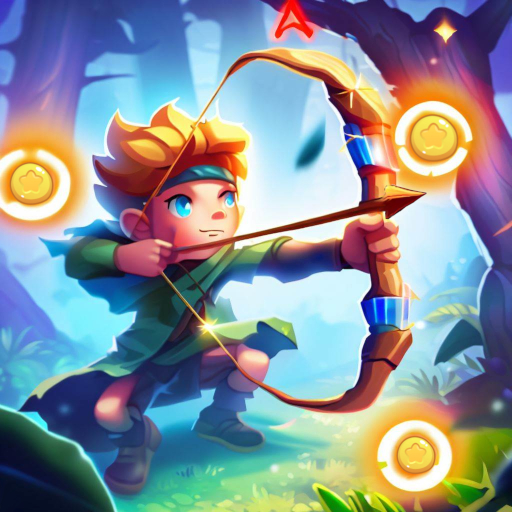
You’re working with a simple target-shooting setup here: a bow, a small supply of arrows, and the pressure to make each shot count. That limited-arrow structure gives the game more tension than the usual casual sports clicker, because a bad release doesn’t just hurt your score, it wastes one of your chances to recover. The main appeal is chasing a cleaner round each time, learning how long to draw, watching your aim settle, and trying not to rush the release when the target looks easy. It’s light, direct, and built around repetition in a good way, with quick sessions that make retrying feel natural instead of tiring. There isn’t much extra decoration around the core idea, but that also keeps the focus where it should be: judging angle, timing your shot, and squeezing the most points possible out of a short run.

Idle Sprint Race 3D

Idle Sprint Race 3D

You’re not simply mashing for speed here; you’re riding a thin line between acceleration and a wipeout. Each race in Idle Sprint Race 3D turns into a small rhythm test where your runner surges ahead when you push hard, but overdo it and the whole effort collapses in one awkward stumble. That risk-reward hook gives the game its personality. It feels closer to managing a sprinter’s burst than endlessly pumping out clicks, because pacing matters as much as raw input. The 3D track view keeps the action readable, and the short races make it easy to chase cleaner runs after a bad fall. There isn’t much depth beyond that central timing loop, but the loop itself is solid. If you like arcade racers with instant feedback and a little self-control baked into the challenge, this one lands its idea well.

Punch Champions

Punch Champions

You work through a straight ladder of boxers, and the appeal is in reading each fight’s rhythm rather than wildly throwing punches. Punch Champions keeps things simple on the surface, but it pushes you to notice when an opponent is open, when they’re baiting you, and when a quick dodge matters more than one extra swing. The roster of eight challengers gives the game a clean arcade structure, so every bout feels like a step toward the belt instead of a random exhibition. What stands out is the pace: short exchanges, sudden momentum shifts, and constant pressure to balance offense with survival. If you play recklessly, you get punished fast. If you stay patient, mix your shots, and wait for mistakes, the matches become much more satisfying. It’s a lean boxing game that understands timing better than spectacle.

Flick Shot Soccer

Flick Shot Soccer

Scoring here is less about power and more about the feel of the swipe. You line up each attempt by dragging, then see whether your angle was clean enough to slip the ball inside the post and into the net. What makes it work is the constant micro-adjustment: a slightly different release, a softer touch, a smarter line toward the corner. It has a brisk arcade rhythm where retries come fast, but it still asks for focus because careless shots disappear quickly. The 3D view keeps each attempt readable, so misses usually feel like your error rather than bad luck. If you enjoy sports games that boil soccer down to one repeatable skill, this stays engaging by making small improvements noticeable. You are not managing a full match here; you are chasing that satisfying moment when the shot leaves your hand exactly right.

Pool Duel

Pool Duel

Every rack in Pool Duel feels tighter because the shot clock is always in the back of your mind. You are not just lining up easy pots; you are managing angle, pace, and position so your next visit to the table does not turn into a scramble. The alternating solids-and-stripes setup keeps it familiar, but the pressure comes from making clean decisions before time runs out. A rushed shot can hand over control immediately, and that gives each miss more bite than in a laid-back pool game. What stands out is the balance between simple rules and punishing tempo. You can settle into a rhythm, but only if your cue control stays disciplined. It works best as a quick competitive sports game where precision matters more than flashy trick shots, and where a calm approach usually beats reckless confidence.

Shooter

See All
Block Sniper

Block Sniper

You spend most of your time lining up careful shots instead of spraying bullets, and that slower pace gives Block Sniper its personality. Each mission drops you into a chunky, pixel-styled battlefield with a clear objective, then asks you to read the area before taking the shot that matters. The blocky look keeps things readable at a distance, which suits a sniper game better than you might expect. Movement matters too, since you are not glued to one perch and can reposition when a lane feels too exposed. What works here is the straightforward mission structure: you enter, assess, pick targets, and try not to waste attempts by firing too early. It is a simple setup, but the mix of aiming, timing, and light movement gives the action enough tension to feel satisfying without turning into a full-on military sim.

Zindex

Zindex

You’re dropped into a dead city with one practical objective: stay alive long enough to get a radio tower working. What makes Zindex stand out is the mix of close-quarters panic and slow, methodical scavenging. One minute you’re checking houses and storage spots for scrap, ammo, or usable gear; the next you’re forced into a messy fight because a small zombie problem turned into a hallway jam. The crafting adds useful tension since every supply run feels like a risk-reward decision, not busywork. Firearms help, but they don’t erase the pressure, and melee has enough weight to make bad positioning feel costly. The 3D spaces also give the game a more grounded survival feel than a typical top-down zombie shooter. It’s lean, hostile, and at its best when you’re deciding whether one more room is worth it.

ColorWars.io

ColorWars.io

You spend most matches making uncomfortable decisions on purpose: push outward to claim more space, or turn back before someone cuts your line and wipes out the run. That risk-reward loop gives ColorWars.io its identity. It looks bright and readable, but the match flow is ruthless in a clean, tactical way. Expanding your zone feels useful only if you can actually hold it, and the gold system adds a smart layer because every defensive build slows your next offensive move. Shooting matters, but not in the usual arena-shooter sense; the best attacks come from catching opponents while they’re stretched thin outside their safe area. That makes every border skirmish feel tense instead of random. The leaderboard chase works because success isn’t just about reflexes. You need timing, map awareness, and the discipline to stop overextending one second earlier than you want to.

Gang War: Strike Shooter

Gang War: Strike Shooter

You spawn into a city already split between two crews, and the match quickly becomes less about pure aim and more about controlling the map. Picking Reds or Blues gives every firefight a purpose, because banks, warehouses, and factories are more than scenery: they fund your next upgrade. That income loop gives the shooting a rough, territorial edge, and it makes losing ground feel expensive in a way many browser shooters never manage. There is a scrappy sandbox feel to the whole thing, from the prison-break setup to the constant pressure to move, defend, and buy smarter gear before the other side snowballs. You can play it aggressively, but the smarter approach is to treat each push like a turf grab. It is at its best when your team actually rotates together and the city turns into a messy back-and-forth street war.

Tap-Hold

Tap-Hold

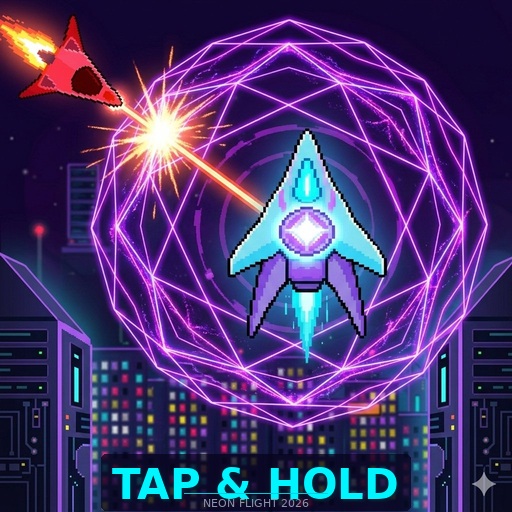
You spend the whole run riding a simple risk-reward rhythm: press to climb, let go to drop, then thread that movement through a neon obstacle course that gets tense faster than it first appears. The shooting label undersells it a bit; this feels more like a survival flyer where precision matters more than aggression. Coins tempt you into awkward lines, and the best moments come when you commit to a dangerous pickup route and barely squeeze back to safety. Power-ups break the pressure just enough to keep runs from feeling flat, while unlockable characters give you a decent reason to chase one more attempt. What works is the pace. It never asks for complicated inputs, but it does demand clean timing and a feel for momentum. One sloppy correction can turn a comfortable run into a crash, which makes every longer stretch feel earned.

Mafia Sniper Crime Shooting

Mafia Sniper Crime Shooting

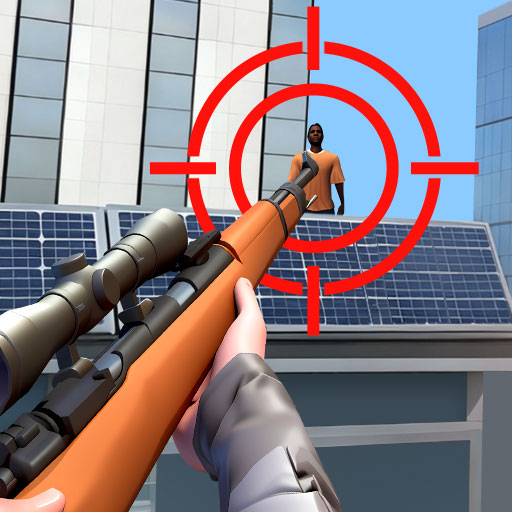
You spend most of your time lining up careful shots from a fixed vantage point, picking out mob targets before the scene gets too crowded or chaotic. The appeal here is the stop-and-shoot rhythm: pause, scan the street, confirm the mark, then commit. Because it leans on clean target-taking rather than gore or heavy realism, the focus stays on timing and accuracy instead of shock value. That makes each mission feel more like a test of observation than a pure reflex challenge. The mafia theme gives it a pulpy crime-movie flavor, but the actual play is simple and readable, which suits shorter sessions. If you like sniper games that keep the pressure manageable and let you enjoy the satisfaction of a well-placed shot, this one delivers a straightforward arcade version of that fantasy without bogging you down in clutter.

Archery Master - Bow and Arrow

Archery Master - Bow and Arrow

Landing clean shots matters more here than firing fast. You spend most of your time judging angle, pull strength, and the tiny pause before release, while other archers try to drop you first. That mix of target practice and duel pressure gives the game its hook: every hit feels earned, especially when you stop rushing and start reading the arc of each arrow. Coins and score give you a reason to keep going, but the real appeal is the steady improvement in your aim from round to round. It has a simple arcade structure, yet the tension comes from small corrections rather than chaos. If you like shooters that reward patience over spray-and-pray reflexes, this one lands nicely. Miss high or release too early, and you immediately feel why precision matters.

Fury Tanks

Fury Tanks

You spend most of Fury Tanks reading the landscape as much as the enemy. Each shot asks you to judge angle, power, and the shape of the hills between you and the opposing tank, so the match feels more like a measured artillery duel than a noisy arcade shooter. The upgrade hook helps too: stronger armor gives you a little room for error, while cannon boosts make clean hits feel properly heavy. What stands out is the pacing. There is enough pause between attacks to think through the next arc, but not so much that rounds drag. Miss badly and you usually know why, which makes the retry loop satisfying instead of random. It is a simple setup, but the mix of terrain, aim adjustment, and tank customization gives each exchange a tactical feel that suits short browser sessions.

Browse by Mood

What kind of fun are you looking for?

Explore by Category

Dive deep — find your next favorite game.

The Arcade Game Promise

Since 2001

Thoughtfully Curated

Our team handpicks every title so each game feels worth your time.

Learning Through Fun

Games are selected to strengthen strategy, numeracy, and creative thinking.

Privacy Focused

We minimize data collection and keep experiences simple for families.

Accessible

Readable UI, keyboard-friendly controls, and clean interactions by default.

Popular Games

See All
Moto Bike Extreme Hill Stunts

Moto Bike Extreme Hill Stunts

You spend most of your time managing the bike’s balance, not just holding the throttle, and that is what gives this hill stunt racer some bite. The courses lean hard on steep climbs, awkward landings, and jumps that punish sloppy timing, so every clean run feels earned. You will be popping into flips for extra style, then immediately correcting the front wheel so you do not slam into the next ramp. The mountain and platform-heavy layouts keep the action moving, but the real hook is the way the physics force you to respect momentum. Push too hard and you overshoot. Hesitate and you lose the hill. It is at its best when a track looks simple, then turns into a chain of precise takeoffs and sketchy recoveries. If you like bike games that reward control over chaos, this one lands well.

Head Ball Challenge

Head Ball Challenge

You’re playing short, scrappy soccer matches where timing matters more than realism. The big-headed style gives every duel a slightly chaotic feel, especially when the ball starts bouncing awkwardly near goal and both players panic. What works here is the mix of quick reflex play and petty mind games: you can rush forward, hang back for counters, or pressure mistakes in local two-player matches. Career Mode gives the game more staying power than a one-joke party match, but the immediate appeal is still same-device competition and those messy, last-second goals. It’s simple to understand, yet there’s enough room to learn angles, recover after bad touches, and punish overeager opponents. If you like sports games that lean arcade over simulation, this one is easy to keep playing because every round feels fast, silly, and just tense enough.

Head Basketball Arena

Head Basketball Arena

You’re playing a stripped-down one-on-one basketball match where oversized characters turn every possession into a small, chaotic duel. What stands out here is how much you can tune before tipoff: character look, court setup, weather, AI level, and match length all let you shape whether the game feels casual or stubbornly competitive. Once the ball is live, it’s less about sim realism and more about timing your jumps, contesting shots, and using your body well in tight space. The exaggerated player size makes rebounds and loose balls feel scrappy in a good way, and matches move fast enough that one mistake can swing the score. It works best as a light arcade sports game, especially if you enjoy tweaking settings and immediately running another round to see if a shorter match or tougher opponent changes the rhythm.

Flag Football Game

Flag Football Game

You’re playing a lighter, quicker version of football where space matters more than brute force. Instead of grinding out contact, the fun comes from reading the field, slipping into open lanes, and choosing the right moment to pass before a defender closes in. Matches feel snappier than a full sim, which makes each possession matter and keeps the pressure on when you fall behind. The flag-pull setup gives the game a clean, arcade rhythm: one mistake can stop a drive fast, but a smart cut or well-timed throw can flip momentum just as quickly. It works best when you treat it like a positioning game rather than a power fantasy. If you like sports games that reward awareness and quick decisions over complicated systems, this one is easy to settle into and tough to play carelessly.
Letter Boom Blast Rush

Letter Boom Blast Rush

You’re not just swinging at targets here; you’re shaving letters off chunky word blocks so your runner has a clean lane to the end. That small twist gives the whole thing a nice puzzle-sports rhythm. Each shot asks you to read fast, pick the useless letters, and avoid wrecking the word in a way that leaves extra obstacles standing. The baseball setup keeps it lively, but the real hook is timing your hits under pressure while the stage keeps pushing you forward. It’s lighter and sillier than a straight word game, yet there’s enough decision-making to keep it from feeling automatic. The best moments come when you spot the solution instantly and clear a path with one neat swing. It’s simple, quick to understand, and surprisingly satisfying when your aim and word sense line up.

Archery Master   Bow and Arrow

Archery Master Bow and Arrow

You’re working with a simple target-shooting setup here: a bow, a small supply of arrows, and the pressure to make each shot count. That limited-arrow structure gives the game more tension than the usual casual sports clicker, because a bad release doesn’t just hurt your score, it wastes one of your chances to recover. The main appeal is chasing a cleaner round each time, learning how long to draw, watching your aim settle, and trying not to rush the release when the target looks easy. It’s light, direct, and built around repetition in a good way, with quick sessions that make retrying feel natural instead of tiring. There isn’t much extra decoration around the core idea, but that also keeps the focus where it should be: judging angle, timing your shot, and squeezing the most points possible out of a short run.

Idle Sprint Race 3D

Idle Sprint Race 3D

You’re not simply mashing for speed here; you’re riding a thin line between acceleration and a wipeout. Each race in Idle Sprint Race 3D turns into a small rhythm test where your runner surges ahead when you push hard, but overdo it and the whole effort collapses in one awkward stumble. That risk-reward hook gives the game its personality. It feels closer to managing a sprinter’s burst than endlessly pumping out clicks, because pacing matters as much as raw input. The 3D track view keeps the action readable, and the short races make it easy to chase cleaner runs after a bad fall. There isn’t much depth beyond that central timing loop, but the loop itself is solid. If you like arcade racers with instant feedback and a little self-control baked into the challenge, this one lands its idea well.

Punch Champions

Punch Champions

You work through a straight ladder of boxers, and the appeal is in reading each fight’s rhythm rather than wildly throwing punches. Punch Champions keeps things simple on the surface, but it pushes you to notice when an opponent is open, when they’re baiting you, and when a quick dodge matters more than one extra swing. The roster of eight challengers gives the game a clean arcade structure, so every bout feels like a step toward the belt instead of a random exhibition. What stands out is the pace: short exchanges, sudden momentum shifts, and constant pressure to balance offense with survival. If you play recklessly, you get punished fast. If you stay patient, mix your shots, and wait for mistakes, the matches become much more satisfying. It’s a lean boxing game that understands timing better than spectacle.

Ninja Wars: Battle Simulator

Ninja Wars: Battle Simulator

Winning here is less about flashy ninja fantasy and more about reading a battlefield before the first clash. You spend your time placing a small army of melee fighters and ranged support, then watching whether your setup actually holds once the lines collide. The mix of swordsmen, spearmen, and archers gives each round a clear puzzle feel: front line too thin and you fold instantly; too much defense and your damage arrives too late. What works is how quickly the game teaches spacing, counters, and formation discipline without burying you in systems. The 3D view makes it easy to judge where a weak flank is forming, and each level pushes you to adjust instead of repeating one safe layout. It feels closer to a compact tactics sandbox than an action game, with short battles that reward patience and a decent eye for positioning.

Color Jam 3D

Color Jam 3D

You’re not lining up gems here; you’re managing a stream of crayons and trying not to clog your own workspace. Each move sends a crayon into a limited set of slots, and the real trick is deciding which colors to release first so you can clear triples and gradually complete the picture. That small bit of traffic management gives the puzzle its bite. Blocked crayons add just enough friction to keep you from playing on autopilot, because freeing the right piece can open the whole board. The coloring theme also helps the game stand out from a standard match-3 clone. Watching an image fill in as you solve makes every clean sequence feel more satisfying than a plain score chase. It stays relaxed, but there’s a steady undercurrent of planning that keeps later stages from turning mindless.

Bento Match

Bento Match

What looks like a cute tile puzzler has a surprisingly sharp edge once you notice how expensive sloppy moves can be. You’re sliding themed blocks around a cramped board, trying to line them up cleanly so they disappear without wasting space. The clever twist is that extra repositioning costs a life, so every non-clearing move feels like a small penalty you have to justify. That gives the whole thing a tidy risk-reward rhythm: do you shuffle pieces now to set up a better clear, or hold off and work with the mess you made? When the board opens up, being able to shift multiple blocks at once is where the game starts to feel satisfying instead of merely cute. Coins and collectible block sets add a nice long-tail reward, especially since rarer pieces are worth more and subtly change what you hope to see next.

Desert Rover Survival

Desert Rover Survival

You spend most of your time balancing two pressures: keeping a fragile expedition running and turning a bare-bones machine into something that can actually survive the desert. The early stretch is deliberately modest, with small upgrades and basic choices that slowly snowball into a more capable rover. That pace suits the theme. Progress feels less like chasing flashy rewards and more like solving a practical problem one part at a time. What makes it work is the steady sense of improvement. Each upgrade has a clear purpose, so expanding your range across the wasteland feels earned rather than automatic. The idle structure also fits nicely, since you're usually deciding what deserves attention next instead of constantly clicking through chaos. If you like survival games with a lighter, low-pressure rhythm, this one finds a nice middle ground between management, building, and slow mechanical progress.

Russian Treasure Hunter

Russian Treasure Hunter

You spend most of your time reading a detector, judging when a promising patch of ground is worth the effort, and deciding whether one more sweep is smarter than heading back to town. That push and pull gives this mining sim its personality. It is not about flashy action; it is about patience, route choices, and the small thrill of noticing the signal creep upward before you finally dig. Selling what you find adds a steady economic layer, so every outing feels like a risk-reward calculation instead of a simple scavenger hunt. The backpack management matters more than you expect, because a careless haul can turn a productive run into a wasted one. What stands out is how methodical the loop feels: scan, commit, extract, cash out, upgrade, repeat. If you like slow-burn progression and tidy decision-making, this has a satisfying rhythm.

2 Player Games Kids Kitchen

2 Player Games Kids Kitchen

You’re juggling a kid-friendly restaurant where the fun comes from sharing the workload instead of doing everything alone. One moment you’re prepping food, the next you’re rushing orders out before the queue gets messy, and that constant handoff is what gives the game its pace. It leans simple and colorful, but there’s still a satisfying rhythm to figuring out who should handle cooking, who should serve, and when switching roles saves a round. Playing with a friend is the whole point: the kitchen feels busiest when both of you are trying to stay efficient without getting in each other’s way. Solo play is lighter, but in co-op it becomes a small coordination test wrapped in bright, approachable restaurant chaos. It’s easy for younger players to understand, yet it still rewards paying attention to timing and order flow.

Metal Bay Top Blade Power

Metal Bay Top Blade Power

You spend most of your time circling for angle rather than charging straight in, which is what makes this arena battler work. Every clash in Metal Bay Top Blade Power feels like a small physics puzzle: do you cut across an opponent’s path, bump them off balance, or pull away before your own spin burns out? The top-down view keeps the action readable, and the match flow has a nice rhythm between aggressive hits and brief repositioning. It is simple to understand, but there is enough nuance in movement and contact to reward patience. The fun comes from learning how much momentum to carry into a collision and when to stop chasing a bad line. That makes each duel feel more deliberate than chaotic, even when the arena gets crowded and the impacts start stacking up.

Sandbox - Destroy the Ragdoll

Sandbox - Destroy the Ragdoll

You spend most of your time turning a floppy dummy into a coin machine, and that simple hook works better than it should. Each round is about picking a weapon, hammering away, and watching the ragdoll bounce, crumple, and ricochet for extra payout. What keeps it from feeling totally mindless is the upgrade rhythm: stronger tools mean faster cash, but the fun is in testing how different loadouts change the damage flow. Background and character options add a bit of toy-box variety, even if the main appeal is still pure destruction and steady progress. It is a casual clicker through and through, so you are here for short bursts, satisfying impacts, and the little dopamine hit of unlocking something nastier. If you like games that turn chaos into currency, this one understands the assignment.

Goo Goo Gaga Clicker

Goo Goo Gaga Clicker

What keeps you clicking here isn’t just the number climb; it’s the steadily stranger rhythm of unlocking one ridiculous Goo Goo Gaga form after another. The early game is pure tap-happy nonsense, but after a few upgrades it settles into a familiar idle groove where timing your spending matters more than mindless hammering. You’re chasing points, stacking passive gain, and deciding whether to push raw click strength or let the background income carry the load. The meme theme is intentionally absurd, and that silliness does a lot of the heavy lifting when the loop gets repetitive. Still, the game understands the appeal of short bursts: check in, buy a few boosts, watch progress speed up, repeat. If you like clickers that lean into internet-brain chaos without overcomplicating the formula, this one has a goofy, easy-to-digest hook.

Small Wardrobe

Small Wardrobe

You spend your time sorting a tiny doll closet into something that actually feels curated instead of cluttered. The merge hook is simple: gather materials, combine matching items, and turn humble supplies into sweeter, more polished outfit pieces. What makes it work is the theme. This is less about chasing huge combo chains and more about slowly building a wardrobe full of soft, toy-like fashion details, from dresses to shoes and little add-ons that complete the look. The pace is gentle, but there is still a satisfying sense of progression as basic items become pieces you genuinely want to keep. If you like merge games with a calmer rhythm and a strong dress-up angle, this one stays focused on that loop without wandering into unnecessary complexity. It feels cozy, tidy, and pleasantly small-scale.

Cool SuperCars Stunts PvP

Cool SuperCars Stunts PvP

What stands out here is the mix of showy stunt driving and local rivalry. You're not chasing realism; you're whipping a low-slung supercar around ramps, trying to keep speed through turns, land cleanly after flips, and turn messy slides into something controlled. The handling feels built for exaggeration, which suits the city stunt setup and makes near-misses more fun than frustrating. The two-player option changes the mood completely, because every jump and drift becomes a little taunt across the screen. Solo play still has value thanks to the different modes and the simple pleasure of tuning your car before heading back out. It works best when you lean into the arcade chaos instead of trying to drive neatly. If you like racing games that reward swagger as much as precision, this one has enough variety to keep short sessions lively.
Thread Sort

Thread Sort

You spend most of your time untangling color order on spools, but the clever hook is what happens after a clean solve: the sorted thread turns into a stitched picture. That little payoff gives each level a sense of purpose beyond clearing pegs. The puzzle itself is easy to read but not always easy to undo once you clog your empty spaces with the wrong shades. It has the same calm rhythm as liquid-sorting games, yet the sewing theme makes the whole thing feel warmer and more tactile. The visuals stay soft and cozy, and watching the final image fill in is genuinely satisfying instead of feeling like a throwaway reward. If you like low-pressure puzzle games that still punish sloppy planning, this one lands in a nice middle ground.
The Flowers: Merge and Sell Bouquets

The Flowers: Merge and Sell Bouquets

You’re working inside a narrow, doorway-shaped garden where every placement matters more than it first seems. Each new bloom drops in from the top, and the pleasure comes from nudging matching flowers together, building them into fuller arrangements, then cashing out bouquets for coins before the space clogs up. The pruning shears add a nice bit of housekeeping, giving you a way to cut away junk pieces when the board gets awkward, but they don’t erase bad planning. What makes this one click is the balance between calm presentation and quietly demanding board management. You’re not just merging for bigger numbers; you’re deciding when to hold a promising chain, when to sell, and when to clear space before one bad placement ruins the whole run. It’s gentle, tidy, and more tactical than its soft garden theme suggests.

Wacky Strike

Wacky Strike

You’re picking a side, building up your lane, and trying to shove the front line all the way back to the opposing castle. Wacky Strike plays like a light strategy tug-of-war: towers and unit choices matter because every bad purchase slows your push and leaves your own base exposed. The cartoon setup is silly, but the actual rhythm is about timing reinforcements, claiming ground, and knowing when to spend on offense versus fortifying what you already hold. What makes it work is the constant pressure across the map. You’re not just waiting for a big army to form; you’re reacting to momentum swings and trying to stop one mistake from turning into a full collapse. It’s straightforward enough to grasp quickly, but there’s still some satisfaction in stabilizing a shaky lane and turning it into a decisive march on the enemy stronghold.

My Cake Shop: Bake & Serve

My Cake Shop: Bake & Serve

You spend most of your time hustling between stations, grabbing fresh pastries, tidying spills, and keeping the line from turning into a traffic jam. What makes this bakery sim work is the constant push-pull between quick chores and longer-term upgrades. One moment you're stocking sweets for impatient customers, the next you're deciding whether a better machine or a new location will save more time. The idle tycoon framing keeps progress moving, but it still feels hands-on because the floor gets messy fast and every delay ripples through the shop. My Cake Shop: Bake & Serve leans more arcade than deep management, which suits its breezy pace. It's easy to read, easy to settle into, and surprisingly good at making small efficiency gains feel satisfying when your once-chaotic counter finally starts flowing smoothly.

2048 Mayhem.io

2048 Mayhem.io

Instead of calmly lining up tiles, you're herding a numbered tail through an arena full of opportunists. The hook in 2048 Mayhem.io is how it turns merging into a contact sport: you scoop up matching cubes, stitch them into bigger values, and suddenly every nearby player is either prey or a problem. Early rounds feel scrappy as you snake around loose pickups and protect your low-value chain, but the pace changes once you have enough mass to pressure smaller rivals. The dash adds a nice risk layer because burning it at the wrong time can hand someone an easy collapse. What works best is the constant tension between greed and survival. Chasing one more merge is tempting, yet smart runs come from clean movement, selective fights, and knowing when to peel away before the arena turns on you.

2048 Merge World

2048 Merge World

You’re working with a familiar 2048 setup, but this version keeps the appeal where it belongs: in the steady pressure of managing space before the board locks up. Every move matters because small mistakes linger for several turns, and a careless merge can scatter your high-value tiles into awkward positions. The fun comes from building order out of a grid that always wants to become messy. Chasing bigger numbers is satisfying, but the real challenge is keeping your layout stable while lower tiles keep appearing and clogging useful lanes. It’s easy to learn in seconds, yet it rewards patience more than speed. If you like puzzle games that feel calm on the surface but punish sloppy planning, this one delivers that classic number-merging tension without overcomplicating the formula.

Stack Tower Pro

Stack Tower Pro

You spend most of your time watching the edge of each block, waiting for that tiny window where a clean drop keeps the tower stable. Stack Tower Pro turns a simple idea into a steady test of timing: each placement feels easy until your rhythm slips and the whole structure starts looking dangerously uneven. The 3D presentation helps you read the stack, but it also makes small mistakes feel bigger because every offset is visible. What works here is the pacing. Rounds move quickly, so you stay in that "one more try" loop without much downtime, and chasing a taller build becomes its own little obsession. The unlockable themes give you a reason to keep going, but the real hook is improving your accuracy from drop to drop. It's a neat precision puzzler that stays focused on balance instead of overcomplicating the formula.

Noob Village Tower Defense

Noob Village Tower Defense

You’re not placing a maze of automated towers here; you’re personally aiming the village cannon and making every shot count. That changes the whole rhythm. Each wave feels more hands-on because success depends on judging arc, timing, and target priority instead of just spending resources and watching the defense work. The blocky noob-village setup gives it a light, goofy look, but the pressure is real once enemies start stacking near your walls. What works well is the balance between quick action and gradual improvement: you defend, upgrade, and try to keep the settlement stable for the next push. Miss too many shots and small mistakes snowball fast. It’s a simple idea, but the manual firing makes it much tenser than a standard tower defense, especially if you like games where accuracy matters as much as planning.

Axe Throw

Axe Throw

What makes this one work is how quickly it turns a simple throw into a timing puzzle. You line up each axe shot, but the target is only half the problem; moving bombs keep sliding through your path and force you to wait for a clean lane. That split-second hesitation is where most rounds are won or lost. It feels less like a power fantasy and more like a steady nerve test, because rushing usually ends with a blown attempt. The arc is easy to read, so misses feel like your mistake rather than random bad luck. That gives each successful hit a satisfying snap. As a casual browser game, it stays focused on one idea and pushes it just enough: judge the angle, watch the hazards, and commit when the opening appears.

Rich Choice Run

Rich Choice Run

Success here comes from reading each lane a second before you reach it. You're steering through a glossy runner where money, status, and relationship picks all feed into the lifestyle you're building, so every collectible feels like a vote for your final outcome. The joke is how openly shallow it is: you chase luxury, dodge cheap setbacks, and watch your value rise or fall in plain view. That gives the run a sharper identity than a generic lane dodger, because you're not only avoiding trouble, you're curating an image. It still plays fast, but the better runs come from committing to a path early instead of twitching after every item. Short rounds and immediate feedback make failures easy to read, and the theme is silly enough to stay amusing without needing much depth. It's simple, but it knows exactly what kind of nonsense it wants to be.

Block Sniper

Block Sniper

You spend most of your time lining up careful shots instead of spraying bullets, and that slower pace gives Block Sniper its personality. Each mission drops you into a chunky, pixel-styled battlefield with a clear objective, then asks you to read the area before taking the shot that matters. The blocky look keeps things readable at a distance, which suits a sniper game better than you might expect. Movement matters too, since you are not glued to one perch and can reposition when a lane feels too exposed. What works here is the straightforward mission structure: you enter, assess, pick targets, and try not to waste attempts by firing too early. It is a simple setup, but the mix of aiming, timing, and light movement gives the action enough tension to feel satisfying without turning into a full-on military sim.

Cunning Ginger

Cunning Ginger

You’re guiding a sharp little ginger cat through a simple but surprisingly tense catching game where greed gets punished fast. Food drops in among hazards, so every move is a quick choice between grabbing one more snack or sliding out of danger. What makes it work is the rhythm: a few easy catches lull you in, then the screen gets busy enough that you start reading patterns instead of reacting blindly. The travel theme gives the run a light, playful tone, but the real hook is that constant balance between feeding Ginger and keeping him safe. It feels closer to an old-school reflex score chase than a pure kids game, because hesitation and overcommitting both cost you. If you like casual arcade games with a cute surface and a mildly stressful core, this one stays engaging longer than you’d expect.

Zindex

Zindex

You’re dropped into a dead city with one practical objective: stay alive long enough to get a radio tower working. What makes Zindex stand out is the mix of close-quarters panic and slow, methodical scavenging. One minute you’re checking houses and storage spots for scrap, ammo, or usable gear; the next you’re forced into a messy fight because a small zombie problem turned into a hallway jam. The crafting adds useful tension since every supply run feels like a risk-reward decision, not busywork. Firearms help, but they don’t erase the pressure, and melee has enough weight to make bad positioning feel costly. The 3D spaces also give the game a more grounded survival feel than a typical top-down zombie shooter. It’s lean, hostile, and at its best when you’re deciding whether one more room is worth it.

Fox Adventure

Fox Adventure

You’re sprinting through a deceptively cute pixel world where the real challenge is staying calm for one more second. The fox never gets a break: spikes wait on the ground, meteors force split-second reactions, and the run keeps asking for cleaner timing than you think. What makes it work is the mix of pressure and simplicity. You only need to focus on jumping, but the pattern of hazards keeps nudging you into rushed mistakes, especially when you spot coins and try to grab everything. The collectible costumes give the run some extra personality without distracting from the score-chasing loop. It feels closest to an old-school arcade survival test, the kind where a small improvement in rhythm suddenly doubles your run. If you like runners that are fast, readable, and built around pure reflex discipline, this one has a sharp hook.

The Roman Empire Colosseum

The Roman Empire Colosseum

Half the appeal here is the setup. You’re not mashing through a duel yourself; you’re arranging a small army, spacing it out, and then watching the Colosseum turn into a messy Roman-themed experiment. The fun comes from seeing whether your formation actually works once riders crash into the front line and heavier units start clogging the arena. It has that toy-soldier battle simulator feel where victory can hinge on one smart placement rather than raw numbers. The mix of warriors, mages, dwarves, titans, and cavalry gives each round a slightly different rhythm, especially when you start testing weird combinations just to see what holds. Because the action plays out automatically, the game leans more on planning than reflexes. If you enjoy tweaking lineups, spotting why a formation failed, and immediately trying a cleaner answer, this one stays entertaining longer than its simple premise suggests.

Magic Bubbles

Magic Bubbles

You're working through an endless stream of bright clusters where clean angles matter more than speed. The hook here isn't just matching colors and clearing bubbles; it's the steady trickle of extras that keeps the loop from going stale. Boosters help you break awkward formations, weekly bonuses give you a reason to come back, and the Lucky Wheel adds a small jolt of unpredictability between rounds. That setup makes it feel a little more playful than stricter bubble shooters built entirely around perfect efficiency. Even so, careless shots catch up with you once the screen starts to crowd. The most satisfying moments come when one well-placed bubble opens a lane and drops a stubborn section in a chain reaction. It stays easy to read and kid-friendly, but there is enough planning in the tougher stretches to make each clean clear feel earned rather than automatic.

Colossatron

Colossatron

You’re not steering a hero here; you’re assembling a city-leveling machine one module at a time. The smart twist in Colossatron is how it blends quick color matching with the constant pressure of keeping a giant mechanical serpent alive under heavy fire. Linking matching modules isn’t just a scoring gimmick, it changes the shape of your offense, so every attachment feels like a small engineering decision made in panic. One moment you’re stretching for a combo, the next you’re rerouting your body to survive tanks, helicopters, and boss attacks. That push and pull gives the game its personality. It looks chaotic, but the best runs come from disciplined building rather than random collecting. Colossatron works because destruction is only half the appeal; the real hook is watching your improvised weapon train become strangely elegant as the battlefield gets more crowded.

Magic Bottles

Magic Bottles

You spend most of your time reading the top layer of each bottle and looking two or three moves ahead, which is exactly why this color-sorting puzzler works so well. Each level starts simple, but the challenge quickly shifts from obvious pours to careful sequencing. One bad transfer can trap a color under the wrong stack and force you to untangle the whole setup. The pace stays calm, though, so it feels more like straightening out a knot than racing a timer. What makes it satisfying is the way messy arrangements slowly become clean, uniform sets through logic rather than luck. If you like puzzle games that reward patience and tidy thinking, this one has a nice rhythm. It is easy to understand in seconds, but later layouts make you earn every perfectly sorted bottle.

Dungeon Master – Cult & Craft

Dungeon Master – Cult & Craft

You spend most of your time balancing a small underground operation that gradually turns into a busy little cult-management machine. The hook here is not combat or dungeon crawling so much as watching plain stick-figure workers get assigned, gather ore, and feed a steady crafting loop that keeps your base growing. It has that satisfying casual rhythm where one upgrade unlocks the next need, so you're always choosing whether to expand, produce, or stabilize what you already built. The dungeon theme gives the management loop a slightly mischievous edge, but the tone stays light thanks to the simple 3D look and stickman followers. What works best is the sense of control: you are less a villain and more an overseer trying to keep labor, materials, and expansion from falling out of sync. It is easy to pick up, but surprisingly easy to mismanage when you grow too fast.

That's my seat!

That's my seat!

You spend each round untangling a small social puzzle: who belongs in which chair, and which clue actually matters first. The hook is the seating setup itself. Instead of matching colors or clearing tiles, you're reading relationships, testing possibilities, and narrowing the board until every person lands in the only spot that fits. It has the tidy satisfaction of a logic-grid puzzle without the heavier presentation those games sometimes drag around. The best moments come when one tiny clue unlocks the whole arrangement and a messy row of guesses suddenly clicks into place. Because the goal stays focused, the pace feels calm rather than rushed, which makes it easy to play in short sessions. If you like deduction puzzles that reward careful attention more than speed, this one gives you a clean, approachable brain workout.

Yarn Fever! Unravel Puzzle

Yarn Fever! Unravel Puzzle

You’re not just matching colors here; you’re untangling a board that keeps tightening the more carelessly you play. Each level asks you to pull strands from knitted pieces and route them into the right containers, which turns a simple sorting idea into a light logic puzzle. The hook is the way clutter builds: one bad move can block a useful lane, while a patient sequence clears space and makes the whole board suddenly readable. Extra tools like added slots and cleanup-style helpers keep harder stages from becoming tedious, but the game works best when you rely on planning instead of rescue items. The bright fabric look and soft pacing make it easy to settle into, yet there’s enough friction in the later layouts to keep your brain engaged. It’s a calm puzzle game, but not a mindless one.

Obby Pinata Party

Obby Pinata Party

You spend most of your time here smacking pinatas for coins, then deciding whether to cash in for stronger gear or push a little farther into the next area. That simple loop gives Obby Pinata Party its hook. The obby-style look keeps things light and toy-like, but there’s a steady sense of progress as your weapons hit harder and the money starts coming in faster. It feels less like a precision platformer and more like a breezy upgrade grinder with playful targets and a clear reward cycle. What works is the pacing: early rounds move quickly, and every upgrade has an immediate effect on how fast you can tear through another batch. It’s easy to dip into for a few minutes, especially if you like watching small power boosts stack into much faster runs.

Pick Brainrot: 3D Battle

Pick Brainrot: 3D Battle

You’re dropped into a chunky 3D arena brawler built around a strange but funny hook: picking a Brainrot form and leaning into its strengths while trying to outlast everyone else. The early rounds feel scrappy, with basic weapon swings and a lot of circling, but the match flow changes once you start unlocking extra tools. Hitting level 5 for the shield matters because it finally gives you a way to survive messy close-range fights, and slow motion at level 10 can completely flip a duel if you time it well. That progression gives the battles a nice sense of momentum instead of feeling flat from the start. It’s not a deep combat sim, but it does have that playground-chaos appeal where weird character morphs, simple weapons, and title chasing keep you playing longer than expected.

FlowBall

FlowBall

You’re steering a glowing ball through a narrow 3D tunnel where the challenge comes from rhythm as much as reflex. The course keeps asking for small corrections, quick lane changes, and calm timing when gaps open up under you. What makes this one work is the sense of speed: the tunnel pulls you forward hard, but the game still gives you just enough room to recover if you stay composed. Collecting light points adds a useful layer beyond simple survival, since every run feels tied to unlocking more and pushing a little farther than before. The gravity-defying sections give it a slightly disorienting edge, especially when the path tilts and the safe route stops feeling obvious. It’s a straightforward arcade loop, but the glowing visuals, constant motion, and pressure of limited lives make mistakes sting in a satisfying way.

Tap 3D Blocks

Tap 3D Blocks

You’re not matching flat tiles here; you’re peeling apart a chunky 3D knot of arrow-marked blocks and trying not to trap yourself. The trick is reading which faces are actually free, then rotating the stack to expose angles that looked impossible a second ago. Early layouts feel breezy, but later puzzles become a quiet exercise in spatial discipline, where one careless clear can hide the move you needed next. That makes every rotation matter more than speed. The dice-like blocks give the board a solid, tactile look, and the simple rules keep the focus on spotting openings instead of memorizing gimmicks. It lands somewhere between a matching puzzler and a visibility test, which gives it a different rhythm from standard Mahjong layouts. Short sessions work well, but the better stages pull you into that "one more try" pattern.

Ultimate Tower Defense

Ultimate Tower Defense

You’re juggling two pressures at once here: building a sturdy defensive line and deciding when a hero is worth more than another tower upgrade. Ultimate Tower Defense leans into that push-pull, so each wave feels less like passive waiting and more like a series of small, urgent corrections. Towers seem built around distinct attack roles rather than brute force alone, which gives placement real weight. A bad lane setup quickly turns into a leak, while a smart mix can hold longer than expected. The extra mode selection helps the game avoid feeling like one endless grind, and the faster pace keeps you focused on immediate battlefield problems instead of long-term empire building. It’s a straightforward strategy game, but the hero layer gives it a more active rhythm than many browser tower defense games, especially when you’re trying to patch weak spots before the next rush lands.

Bubble Shooter Crystal Hunt

Bubble Shooter Crystal Hunt

You are not just clearing color groups here; you are constantly making space while hunting for crystals buried inside the pack. That small twist gives the usual bubble-shooter rhythm a sharper objective, because every shot has to do two jobs: keep the ceiling under control and open a path to the valuable pieces hidden in awkward spots. The rising wall adds steady pressure without turning the game into chaos, so each miss feels costly in a way that suits the endless format. It is easy to understand in seconds, but the longer you last, the more the board starts asking for cleaner angles and smarter setup shots instead of easy pops. If you like puzzle games that stay readable while quietly tightening the screws, this one has a satisfying, focused loop.

Tsunami Brainrots Online

Tsunami Brainrots Online

Chaos is the whole appeal here. You’re sprinting through a cluttered 3D map with a tsunami bearing down, trying to grab brainrot characters and still make it back before the run collapses into panic. The pace has that good .io-style pressure where every detour feels risky, and the mix of movement, jumping, light combat, and quick looting keeps you busy without turning into pure noise. What makes it stick is the tone: it leans into absurd meme energy, but the survival loop underneath is real. You have to judge when to push farther, when to turn around, and when greed is about to get you washed out. The online setup adds some social weirdness through chat, while local two-player makes the scramble messier in a fun way. It’s messy on purpose, but the timer and wave give that mess a clear shape.

Word Search Universe 2

Word Search Universe 2

You’re scanning dense letter grids for themed words, but the hook here is how steadily the game broadens its subjects. One round has you picking out food terms in seconds; the next slows you down with history or science vocabulary that blends into the board more convincingly. That variety keeps the pace calm without making it brainless. The interface stays uncluttered, so your attention goes straight to pattern spotting and the small satisfaction of clearing a list cleanly. It’s a good puzzle game for short sessions because each board gives you a tidy objective and a clear finish, yet the rotating topics stop the routine from going stale. If you like word games that lean more on observation than trivia, this one lands nicely between relaxing and quietly demanding.