

Casual
Discover 22 games to play right in your browser — no downloads needed.
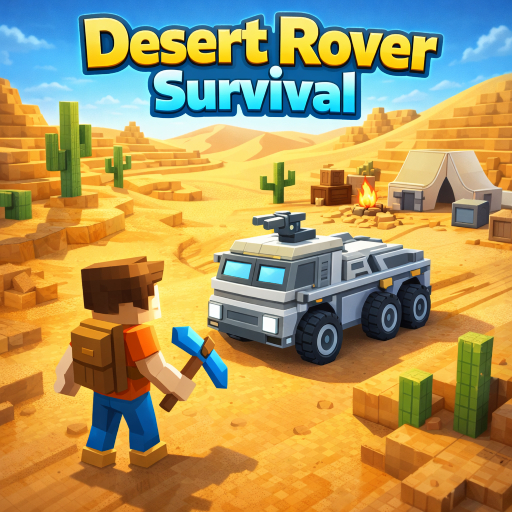
Desert Rover Survival
You spend most of your time balancing two pressures: keeping a fragile expedition running and turning a bare-bones machine into something that can actually survive the desert. The early stretch is deliberately modest, with small upgrades and basic choices that slowly snowball into a more capable rover. That pace suits the theme. Progress feels less like chasing flashy rewards and more like solving a practical problem one part at a time. What makes it work is the steady sense of improvement. Each upgrade has a clear purpose, so expanding your range across the wasteland feels earned rather than automatic. The idle structure also fits nicely, since you're usually deciding what deserves attention next instead of constantly clicking through chaos. If you like survival games with a lighter, low-pressure rhythm, this one finds a nice middle ground between management, building, and slow mechanical progress.
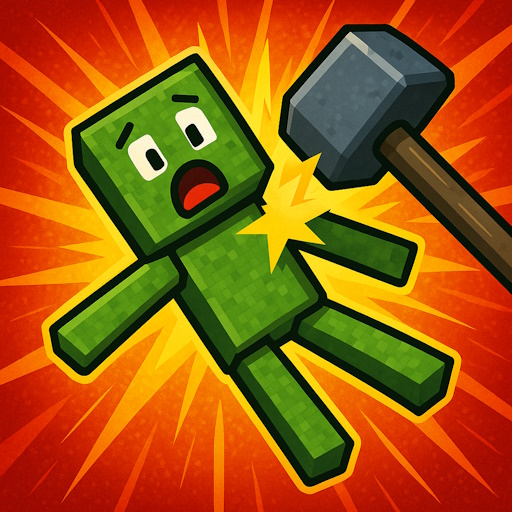
Sandbox - Destroy the Ragdoll
You spend most of your time turning a floppy dummy into a coin machine, and that simple hook works better than it should. Each round is about picking a weapon, hammering away, and watching the ragdoll bounce, crumple, and ricochet for extra payout. What keeps it from feeling totally mindless is the upgrade rhythm: stronger tools mean faster cash, but the fun is in testing how different loadouts change the damage flow. Background and character options add a bit of toy-box variety, even if the main appeal is still pure destruction and steady progress. It is a casual clicker through and through, so you are here for short bursts, satisfying impacts, and the little dopamine hit of unlocking something nastier. If you like games that turn chaos into currency, this one understands the assignment.

Axe Throw
What makes this one work is how quickly it turns a simple throw into a timing puzzle. You line up each axe shot, but the target is only half the problem; moving bombs keep sliding through your path and force you to wait for a clean lane. That split-second hesitation is where most rounds are won or lost. It feels less like a power fantasy and more like a steady nerve test, because rushing usually ends with a blown attempt. The arc is easy to read, so misses feel like your mistake rather than random bad luck. That gives each successful hit a satisfying snap. As a casual browser game, it stays focused on one idea and pushes it just enough: judge the angle, watch the hazards, and commit when the opening appears.
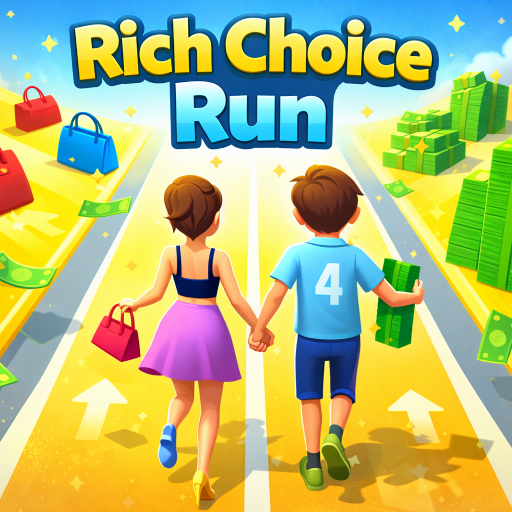
Rich Choice Run
Success here comes from reading each lane a second before you reach it. You're steering through a glossy runner where money, status, and relationship picks all feed into the lifestyle you're building, so every collectible feels like a vote for your final outcome. The joke is how openly shallow it is: you chase luxury, dodge cheap setbacks, and watch your value rise or fall in plain view. That gives the run a sharper identity than a generic lane dodger, because you're not only avoiding trouble, you're curating an image. It still plays fast, but the better runs come from committing to a path early instead of twitching after every item. Short rounds and immediate feedback make failures easy to read, and the theme is silly enough to stay amusing without needing much depth. It's simple, but it knows exactly what kind of nonsense it wants to be.

Cunning Ginger
You’re guiding a sharp little ginger cat through a simple but surprisingly tense catching game where greed gets punished fast. Food drops in among hazards, so every move is a quick choice between grabbing one more snack or sliding out of danger. What makes it work is the rhythm: a few easy catches lull you in, then the screen gets busy enough that you start reading patterns instead of reacting blindly. The travel theme gives the run a light, playful tone, but the real hook is that constant balance between feeding Ginger and keeping him safe. It feels closer to an old-school reflex score chase than a pure kids game, because hesitation and overcommitting both cost you. If you like casual arcade games with a cute surface and a mildly stressful core, this one stays engaging longer than you’d expect.

Colossatron
You’re not steering a hero here; you’re assembling a city-leveling machine one module at a time. The smart twist in Colossatron is how it blends quick color matching with the constant pressure of keeping a giant mechanical serpent alive under heavy fire. Linking matching modules isn’t just a scoring gimmick, it changes the shape of your offense, so every attachment feels like a small engineering decision made in panic. One moment you’re stretching for a combo, the next you’re rerouting your body to survive tanks, helicopters, and boss attacks. That push and pull gives the game its personality. It looks chaotic, but the best runs come from disciplined building rather than random collecting. Colossatron works because destruction is only half the appeal; the real hook is watching your improvised weapon train become strangely elegant as the battlefield gets more crowded.
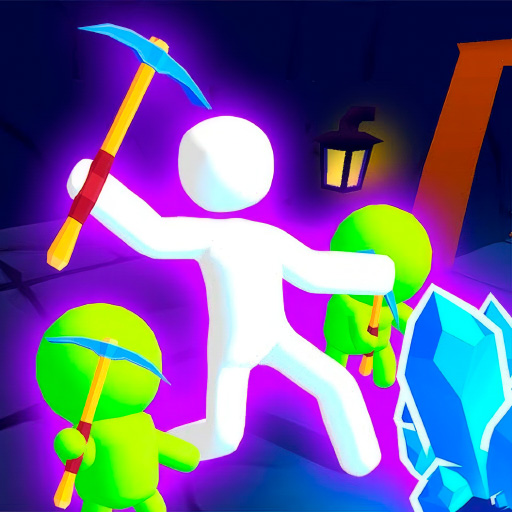
Dungeon Master – Cult & Craft
You spend most of your time balancing a small underground operation that gradually turns into a busy little cult-management machine. The hook here is not combat or dungeon crawling so much as watching plain stick-figure workers get assigned, gather ore, and feed a steady crafting loop that keeps your base growing. It has that satisfying casual rhythm where one upgrade unlocks the next need, so you're always choosing whether to expand, produce, or stabilize what you already built. The dungeon theme gives the management loop a slightly mischievous edge, but the tone stays light thanks to the simple 3D look and stickman followers. What works best is the sense of control: you are less a villain and more an overseer trying to keep labor, materials, and expansion from falling out of sync. It is easy to pick up, but surprisingly easy to mismanage when you grow too fast.
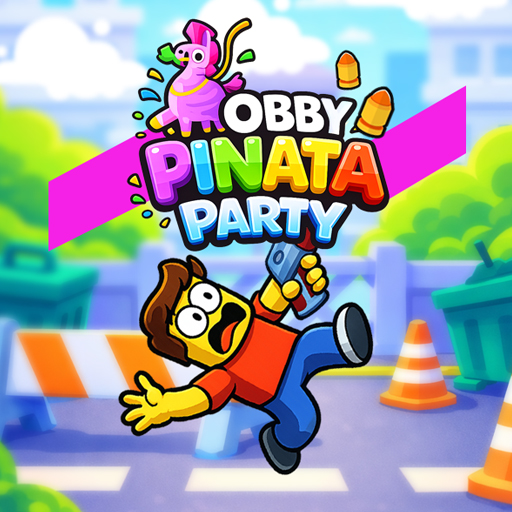
Obby Pinata Party
You spend most of your time here smacking pinatas for coins, then deciding whether to cash in for stronger gear or push a little farther into the next area. That simple loop gives Obby Pinata Party its hook. The obby-style look keeps things light and toy-like, but there’s a steady sense of progress as your weapons hit harder and the money starts coming in faster. It feels less like a precision platformer and more like a breezy upgrade grinder with playful targets and a clear reward cycle. What works is the pacing: early rounds move quickly, and every upgrade has an immediate effect on how fast you can tear through another batch. It’s easy to dip into for a few minutes, especially if you like watching small power boosts stack into much faster runs.

FlowBall
You’re steering a glowing ball through a narrow 3D tunnel where the challenge comes from rhythm as much as reflex. The course keeps asking for small corrections, quick lane changes, and calm timing when gaps open up under you. What makes this one work is the sense of speed: the tunnel pulls you forward hard, but the game still gives you just enough room to recover if you stay composed. Collecting light points adds a useful layer beyond simple survival, since every run feels tied to unlocking more and pushing a little farther than before. The gravity-defying sections give it a slightly disorienting edge, especially when the path tilts and the safe route stops feeling obvious. It’s a straightforward arcade loop, but the glowing visuals, constant motion, and pressure of limited lives make mistakes sting in a satisfying way.

Ole Bunny
You spend most of your time reading space rather than chasing points. The rabbit moves in looping arcs, so every rose grab feels like a small geometry puzzle: commit too early and a bull cuts off your path, hesitate and the arena tightens around you. That odd circular movement is what gives Ole Bunny its personality. It turns a simple dodge-and-collect setup into something more deliberate, where you’re constantly setting up your next turn instead of reacting at the last second. The bulls create real pressure, but the tone stays light thanks to the cartoon look and the absurd image of a rose-obsessed bunny trying to survive a bull ring. Runs are quick, readable, and a little tense in the right way. Once the movement clicks, you start seeing cleaner routes and riskier pickups almost immediately.
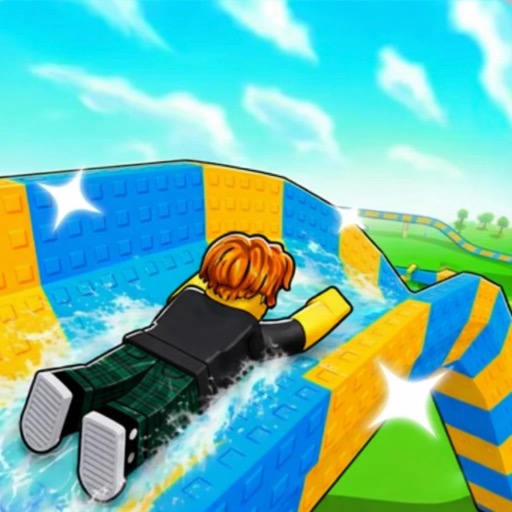
Build an Aquapark
You’re piecing together a water slide one section at a time, then immediately testing whether your latest idea is brilliant or a complete mess. That build-and-ride loop is what makes Build an Aquapark click. Instead of managing a huge park, you focus on shaping the actual course, adding new parts, extending the run, and chasing that sweet spot between length, speed, and survivability. The fun comes from seeing how each addition changes the feel of the ride, especially when a layout looks clever in theory but turns awkward once you send a ring down it. It has a light, playful tone, but there’s still a bit of problem-solving in how you connect pieces and spend upgrades. If you like casual builders that give you fast feedback and let you experiment without much friction, this one has an easy rhythm that keeps pulling you into one more run.

Clay Craft Tycoon
You’re juggling a surprisingly satisfying little production line here, and the appeal comes from watching every step of the business start to click together. Raw clay turns into useful stock, your warehouse fills up, and the money only really starts flowing once you keep those stages balanced instead of overbuilding one corner of the factory. What makes it work is the theme: shaping humble materials into everyday pottery gives the whole tycoon loop a more hands-on feel than the usual generic idle business setup. Daily objectives add structure, so you’re not just waiting for numbers to rise, and each expansion feels like a practical upgrade rather than busywork. It stays light and approachable, but there’s enough management to keep you thinking about throughput, storage, and sales timing. If you like casual tycoons with a clean loop and steady sense of growth, this one lands nicely.

Fun Mini Games For Kids
You’re bouncing between several light activities instead of settling into one long session, and that’s the whole appeal here. One moment you’re sorting shapes, the next you’re tidying a room, picking outfits, or poking around in a simple doctor-themed task. The collection clearly aims at younger players, so nothing feels punishing or rushed. Each mini-game is built around quick recognition, basic choices, and bright visual feedback that keeps things moving even when the idea is very simple. What stands out is the variety of pretend-play themes mixed with easy puzzle prompts, which gives the game a scrapbook feel rather than a strict arcade structure. It’s best approached as a grab bag for short attention spans: you try one activity, finish in a minute or two, then hop to another. That loose rhythm works well, even if some mini-games are much thinner than others.
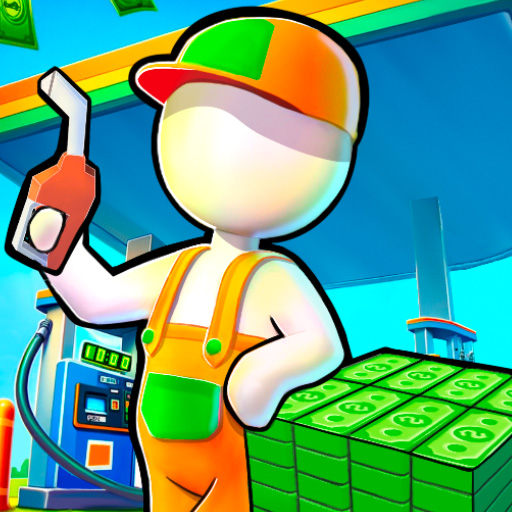
Gas Station - Stick Simulator
Running this roadside station feels less like a tycoon spreadsheet and more like a steady, hands-on hustle. You’re juggling arriving cars, fueling them quickly, and turning each small payout into the next useful expansion. What makes it click is the way the station grows in clear stages: first the pumps matter, then extra services start stacking on top, from a shop to food and other customer stops. The stick-figure style keeps things light, but the loop has real momentum once traffic picks up and you’re bouncing between jobs. It’s a casual management game that leans on flow rather than pressure, so the fun comes from smoothing out bottlenecks and watching a bare stretch of highway turn into a busy stop. Repetition is part of the design, but the constant visible growth gives those simple tasks a nice payoff.
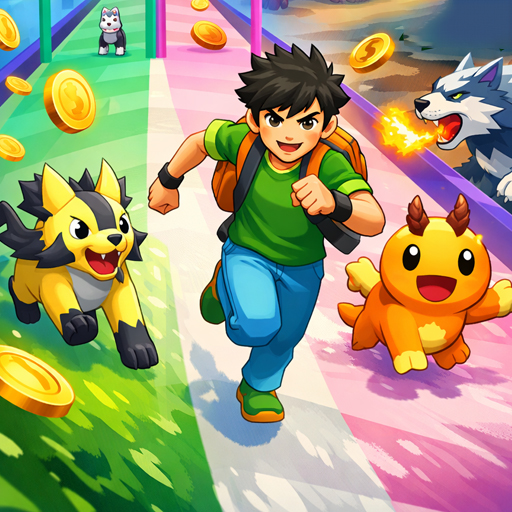
Monster Squad Rush
You spend most of your time making quick route decisions instead of just drifting forward. Each run asks you to scoop up monsters, grow your squad on the move, and think ahead to the fight waiting at the end. That setup gives Monster Squad Rush a nice rhythm: light runner pressure up front, then a payoff battle where your earlier choices matter. The fun is in judging which pickups are worth the risk and how aggressively you want to build power before the arena. It feels closer to a collecting sprint than a pure reflex test, which helps it stand out from more disposable endless runners. The monster theme is simple but readable, and the progression from scrappy group to stronger team gives each short session a clear arc. You are always chasing a cleaner run, not just a longer one.
Shape Shift
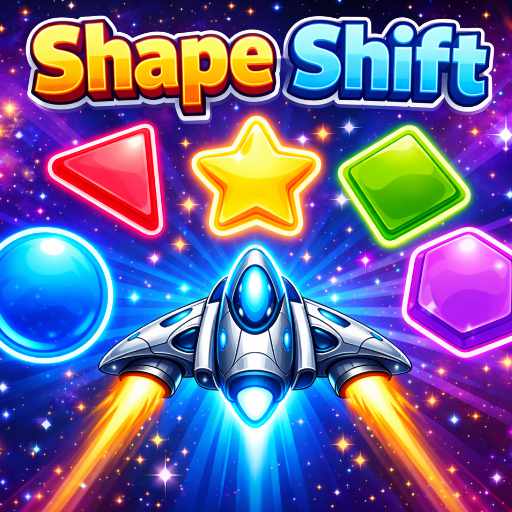
You spend most of Shape Shift scanning two things at once: the swarm of floating pieces ahead of you and the small rule change that can ruin a good run in a second. It starts simply, steering a ship through bright space and picking up matching objects, but the hook is how often the target flips between different shape-and-color combinations. That constant switch gives the game a nice twitchy tension without making it complicated. You are not memorizing patterns so much as staying mentally flexible, because the mistake is usually grabbing what was correct a moment ago. The space theme is light and colorful, and that works well for a game built around quick visual sorting. It feels closest to an arcade concentration test: short, readable, and just demanding enough to make you chase a cleaner score.
Clash Crowd Game
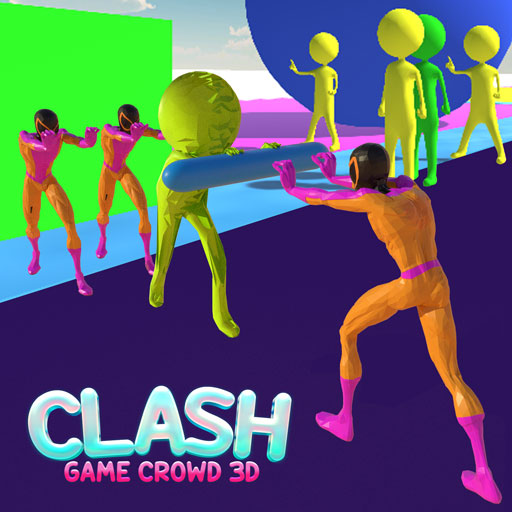
You’re guiding a moving crowd rather than a single runner, and that small twist makes the obstacle course feel more tense than a standard lane-dodger. Every hazard matters because one bad line can shave your group down fast, so the fun comes from reading gaps early and steering with just enough correction. The pace stays light and approachable, but there’s a steady survival pressure as you try to keep enough people together to make the finish. What works here is the simple rhythm: build momentum, thread through traps, recover, repeat. It’s easy to understand in seconds, yet each stretch asks for cleaner movement than you expect. The bright 3D look keeps things readable, which helps when the screen gets busy. If you like short runs built around crowd management and avoiding careless mistakes, this one has a satisfying, no-fuss loop.

Earth Defender
You spend most of your time reading angles instead of chasing targets outright. Your ship loops around Earth while rocks close in from different sides, and the whole challenge is judging when to reverse direction so you meet each threat cleanly. That simple one-tap idea gives the game a nice arcade rhythm: short sessions, quick failures, and a constant urge to beat your last run. What makes it work is the tension between movement and timing. Turn too early and you drift out of position; wait too long and a meteor slips through. The space theme is stripped down, but it fits the gameplay well because your attention stays on the planet at the center and the dangerous gaps opening around it. If you like score-chasing games that ask for focus more than complexity, this one is easy to click with.

Dessert DIY
Running the counter here is less about speed and more about clean, correct assembly. Each order asks you to build a specific dessert in the right sequence, so the appeal comes from noticing what the customer wants and not skipping a step. The bright, toy-like kitchen keeps things light, but the loop has a satisfying rhythm: choose ingredients, place them carefully, finish the presentation, collect coins, then check what the shop unlocks next. Because every request works like a small visual checklist, it feels more like a relaxing process game than a hectic restaurant sim. You'll likely keep playing for the small satisfaction of completing an order neatly without wasted motions. It's simple on purpose, colorful without being noisy, and surprisingly easy to settle into if you enjoy repetitive, hands-on tasks with a steady trickle of rewards.

Space Craft: Ship War
You start with a modest cube-like ship, but the hook is how quickly it turns into a clunky, dangerous space fortress. Each run is about sweeping the map for new sections, weapons, boosters, and upgrades while keeping pace with enemies that are scaling up right alongside you. That constant arms race gives every level a nice tension: overextend for one more module, or play safe and keep your build intact. The best moments come when your ship stops feeling like a starter craft and starts behaving like a drifting weapons platform with its own awkward momentum. It is casual in structure, but there is enough build tinkering to make your choices matter. The bright 3D look and chunky effects suit the toy-box style, and the steady unlocks help the repetition feel purposeful instead of grindy.

Find Hidden Cats
You’re staring at clean black-and-white city scenes, but the longer you look, the more they start playing tricks on you. Hidden Cats works because it keeps the idea simple: each illustration asks you to pick out 20 cats tucked into rooftops, windows, signs, and other busy little details. The European postcard vibe gives every screen personality without cluttering it with color, so your eyes have to work a bit harder. Some cats jump out immediately; others blend into the line art so well that you’ll circle the same area twice before spotting them. That makes the pacing nicely mellow rather than frantic. It’s a casual search game that understands the appeal of slow observation, and the small cat count per scene keeps each round satisfying instead of exhausting.
Little Dentist Dash
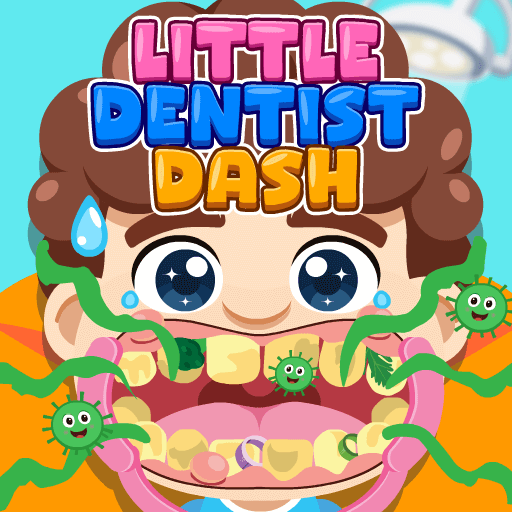
You spend your time hustling from one young patient to the next, handling a steady stream of tooth troubles in a bright, kid-focused dental clinic. The appeal here is the mix of light time pressure and fussy little procedures: one moment you're dealing with a damaged tooth, the next you're lining things up so braces sit properly. It plays less like a realistic simulator and more like a fast, tidy multitasking game where attention matters. That works in its favor. The kid-friendly theme keeps everything soft and approachable, while the dental tasks give each round enough variety to stay interesting. What stood out to me is how the game leans on speed without becoming stressful; you still need to notice what each patient needs and avoid sloppy mistakes. If you like casual management games with a clear routine and a slightly unusual theme, this one is easy to settle into.