
Kids
Discover 16 games to play right in your browser — no downloads needed.

Head Basketball Arena
You’re playing a stripped-down one-on-one basketball match where oversized characters turn every possession into a small, chaotic duel. What stands out here is how much you can tune before tipoff: character look, court setup, weather, AI level, and match length all let you shape whether the game feels casual or stubbornly competitive. Once the ball is live, it’s less about sim realism and more about timing your jumps, contesting shots, and using your body well in tight space. The exaggerated player size makes rebounds and loose balls feel scrappy in a good way, and matches move fast enough that one mistake can swing the score. It works best as a light arcade sports game, especially if you enjoy tweaking settings and immediately running another round to see if a shorter match or tougher opponent changes the rhythm.

Letter Boom Blast Rush
You’re not just swinging at targets here; you’re shaving letters off chunky word blocks so your runner has a clean lane to the end. That small twist gives the whole thing a nice puzzle-sports rhythm. Each shot asks you to read fast, pick the useless letters, and avoid wrecking the word in a way that leaves extra obstacles standing. The baseball setup keeps it lively, but the real hook is timing your hits under pressure while the stage keeps pushing you forward. It’s lighter and sillier than a straight word game, yet there’s enough decision-making to keep it from feeling automatic. The best moments come when you spot the solution instantly and clear a path with one neat swing. It’s simple, quick to understand, and surprisingly satisfying when your aim and word sense line up.

Punch Champions
You work through a straight ladder of boxers, and the appeal is in reading each fight’s rhythm rather than wildly throwing punches. Punch Champions keeps things simple on the surface, but it pushes you to notice when an opponent is open, when they’re baiting you, and when a quick dodge matters more than one extra swing. The roster of eight challengers gives the game a clean arcade structure, so every bout feels like a step toward the belt instead of a random exhibition. What stands out is the pace: short exchanges, sudden momentum shifts, and constant pressure to balance offense with survival. If you play recklessly, you get punished fast. If you stay patient, mix your shots, and wait for mistakes, the matches become much more satisfying. It’s a lean boxing game that understands timing better than spectacle.

2 Player Games Kids Kitchen
You’re juggling a kid-friendly restaurant where the fun comes from sharing the workload instead of doing everything alone. One moment you’re prepping food, the next you’re rushing orders out before the queue gets messy, and that constant handoff is what gives the game its pace. It leans simple and colorful, but there’s still a satisfying rhythm to figuring out who should handle cooking, who should serve, and when switching roles saves a round. Playing with a friend is the whole point: the kitchen feels busiest when both of you are trying to stay efficient without getting in each other’s way. Solo play is lighter, but in co-op it becomes a small coordination test wrapped in bright, approachable restaurant chaos. It’s easy for younger players to understand, yet it still rewards paying attention to timing and order flow.

Small Wardrobe
You spend your time sorting a tiny doll closet into something that actually feels curated instead of cluttered. The merge hook is simple: gather materials, combine matching items, and turn humble supplies into sweeter, more polished outfit pieces. What makes it work is the theme. This is less about chasing huge combo chains and more about slowly building a wardrobe full of soft, toy-like fashion details, from dresses to shoes and little add-ons that complete the look. The pace is gentle, but there is still a satisfying sense of progression as basic items become pieces you genuinely want to keep. If you like merge games with a calmer rhythm and a strong dress-up angle, this one stays focused on that loop without wandering into unnecessary complexity. It feels cozy, tidy, and pleasantly small-scale.
Stack Tower Pro
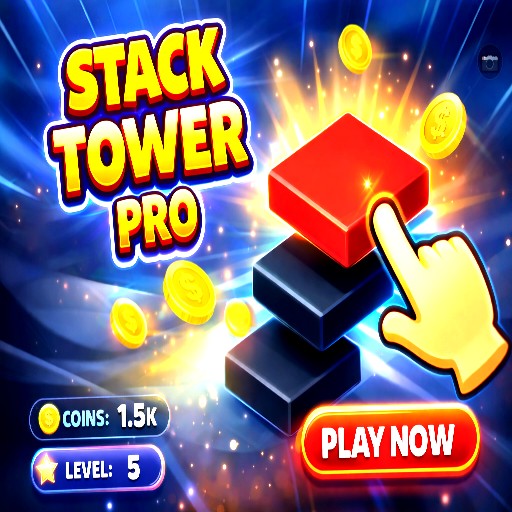
You spend most of your time watching the edge of each block, waiting for that tiny window where a clean drop keeps the tower stable. Stack Tower Pro turns a simple idea into a steady test of timing: each placement feels easy until your rhythm slips and the whole structure starts looking dangerously uneven. The 3D presentation helps you read the stack, but it also makes small mistakes feel bigger because every offset is visible. What works here is the pacing. Rounds move quickly, so you stay in that "one more try" loop without much downtime, and chasing a taller build becomes its own little obsession. The unlockable themes give you a reason to keep going, but the real hook is improving your accuracy from drop to drop. It's a neat precision puzzler that stays focused on balance instead of overcomplicating the formula.

Dog Merge Mania
What keeps this merge game working is how small, tidy, and readable everything feels. You are dragging matching dogs together, watching them turn into larger breeds, and slowly filling the board with fluffier, more valuable results. The appeal is less about surprise and more about managing space before the grid clogs up. That gives the game a light puzzle edge without ruining its calm pace. You will spend most of your time deciding whether to chase quick merges near the center or leave room for future combinations. The dog theme helps because each upgrade feels visually distinct, so it is easy to track your progress at a glance. It is a simple loop, but a satisfying one, especially if you like merge games that stay gentle, cute, and quietly tactical instead of piling on distractions.

Fun Mini Games For Kids
You’re bouncing between several light activities instead of settling into one long session, and that’s the whole appeal here. One moment you’re sorting shapes, the next you’re tidying a room, picking outfits, or poking around in a simple doctor-themed task. The collection clearly aims at younger players, so nothing feels punishing or rushed. Each mini-game is built around quick recognition, basic choices, and bright visual feedback that keeps things moving even when the idea is very simple. What stands out is the variety of pretend-play themes mixed with easy puzzle prompts, which gives the game a scrapbook feel rather than a strict arcade structure. It’s best approached as a grab bag for short attention spans: you try one activity, finish in a minute or two, then hop to another. That loose rhythm works well, even if some mini-games are much thinner than others.

Obby Highest Jump Ever
What hooks you here is the strange mix of idle-style growth and simple platform climbing. You begin with barely enough jump to clear a short rooftop, then spend clicks building power until those tiny hops turn into huge launches toward taller and taller towers. That steady ramp from modest buildings to absurd heights gives the game its rhythm; every new rooftop feels like proof that your last few minutes actually mattered. It is less about tricky precision than about chasing the next height milestone, grabbing trophies, and deciding when to keep grinding versus when to cash in on bigger progression systems like rebirth. The controls stay approachable, so the satisfaction comes from watching your movement transform from clumsy to ridiculous. If you like games that turn repetition into visible progress, this one has a clean, easygoing loop that keeps nudging you upward.

Molang Match'n Munch
You’re mostly here for the mood, and that works in this puzzle game’s favor. Each board keeps the familiar match-3 rhythm, but the food theme and Molang’s soft, cheerful style make it feel lighter and gentler than the usual jewel-swapping grind. The ingredient-collecting hook gives the levels a bit more purpose, so you’re not just clearing pieces for the sake of it. What stands out is how relaxed the pacing feels: it’s built for short sessions, easy resets after mistakes, and satisfying little chain reactions rather than constant pressure. Younger players can settle into it quickly, while older players will probably appreciate how readable the boards are and how cleanly the goals come across. It’s not trying to reinvent match-3 design. It just delivers a cute, snack-filled puzzle loop with enough charm to keep the formula from feeling stale.
Shape Shift
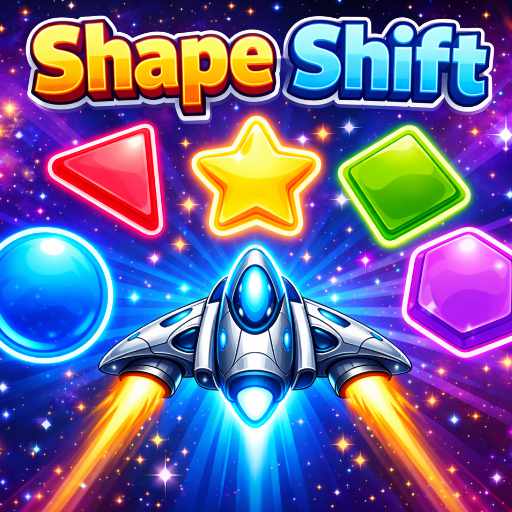
You spend most of Shape Shift scanning two things at once: the swarm of floating pieces ahead of you and the small rule change that can ruin a good run in a second. It starts simply, steering a ship through bright space and picking up matching objects, but the hook is how often the target flips between different shape-and-color combinations. That constant switch gives the game a nice twitchy tension without making it complicated. You are not memorizing patterns so much as staying mentally flexible, because the mistake is usually grabbing what was correct a moment ago. The space theme is light and colorful, and that works well for a game built around quick visual sorting. It feels closest to an arcade concentration test: short, readable, and just demanding enough to make you chase a cleaner score.
Travel Mahjong Deluxe
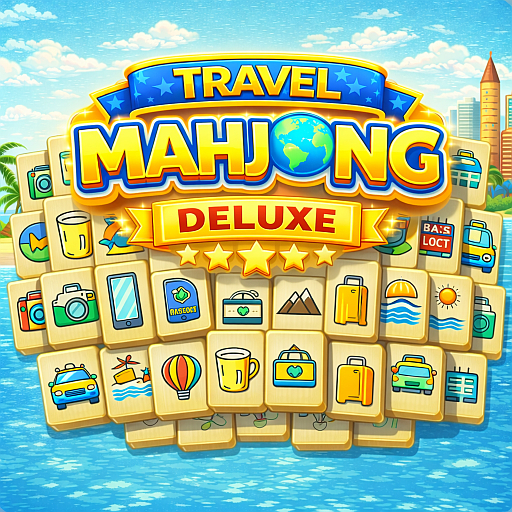
You spend most of your time scanning for exposed pairs, but the travel theme gives the usual mahjong loop a lighter, postcard-like feel. Suitcases, landmarks, and vacation-flavored icons make the board easy to read without turning every layout into visual clutter. What keeps it engaging is the steady shift in board shapes: some rounds open up quickly, while others punish careless early matches and leave key tiles buried. The hint option is useful, but the better rhythm is learning to pause before every click and protect your future moves. It’s a calm puzzle game, though not a sleepy one; you’re constantly weighing obvious pairs against the ones that actually free the board. If you like matching games with low pressure but real sequencing decisions, this one stays satisfying longer than its gentle presentation suggests.

Ayla World Princess life
You’re here to fuss over the fun details: picking outfits, matching accessories, and giving your princess look a polished finish with manicure options that feel like part of the same makeover instead of a separate mini-game. The appeal is less about challenge and more about playing stylist at your own pace, trying combinations until something clicks. Because the theme leans fully into royal fashion, the most satisfying moments come from coordinating color, hair, and nail choices into one complete look rather than swapping random pieces. It’s light, playful, and clearly aimed at players who enjoy experimenting without pressure or timers. If you like dress-up games that keep the focus on cute customization and easy, relaxed decisions, this one delivers a soft, princess-centered loop that works well in short sessions.

Earth Defender
You spend most of your time reading angles instead of chasing targets outright. Your ship loops around Earth while rocks close in from different sides, and the whole challenge is judging when to reverse direction so you meet each threat cleanly. That simple one-tap idea gives the game a nice arcade rhythm: short sessions, quick failures, and a constant urge to beat your last run. What makes it work is the tension between movement and timing. Turn too early and you drift out of position; wait too long and a meteor slips through. The space theme is stripped down, but it fits the gameplay well because your attention stays on the planet at the center and the dangerous gaps opening around it. If you like score-chasing games that ask for focus more than complexity, this one is easy to click with.

Dessert DIY
Running the counter here is less about speed and more about clean, correct assembly. Each order asks you to build a specific dessert in the right sequence, so the appeal comes from noticing what the customer wants and not skipping a step. The bright, toy-like kitchen keeps things light, but the loop has a satisfying rhythm: choose ingredients, place them carefully, finish the presentation, collect coins, then check what the shop unlocks next. Because every request works like a small visual checklist, it feels more like a relaxing process game than a hectic restaurant sim. You'll likely keep playing for the small satisfaction of completing an order neatly without wasted motions. It's simple on purpose, colorful without being noisy, and surprisingly easy to settle into if you enjoy repetitive, hands-on tasks with a steady trickle of rewards.
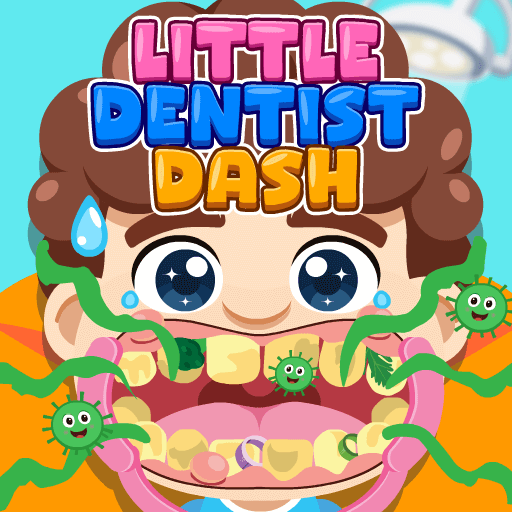
Little Dentist Dash
You spend your time hustling from one young patient to the next, handling a steady stream of tooth troubles in a bright, kid-focused dental clinic. The appeal here is the mix of light time pressure and fussy little procedures: one moment you're dealing with a damaged tooth, the next you're lining things up so braces sit properly. It plays less like a realistic simulator and more like a fast, tidy multitasking game where attention matters. That works in its favor. The kid-friendly theme keeps everything soft and approachable, while the dental tasks give each round enough variety to stay interesting. What stood out to me is how the game leans on speed without becoming stressful; you still need to notice what each patient needs and avoid sloppy mistakes. If you like casual management games with a clear routine and a slightly unusual theme, this one is easy to settle into.