
Syncing
Restoring your latest save before the game starts.
Sign in to sync your progress across sessions and devices.
About Fury Tanks
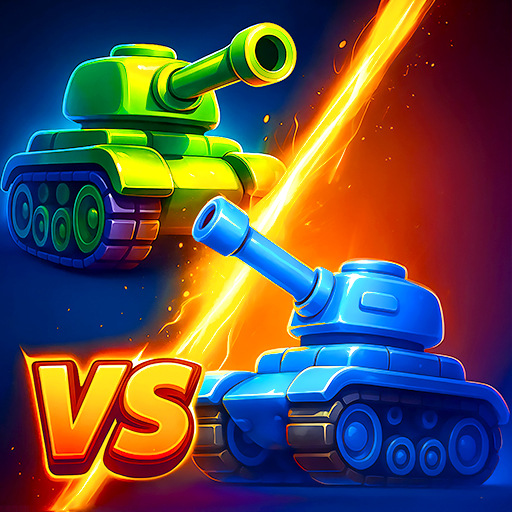
Terrain-based aiming and tank upgrades give these short artillery duels more bite than the simple setup suggests.
You spend most of Fury Tanks reading the landscape as much as the enemy. Each shot asks you to judge angle, power, and the shape of the hills between you and the opposing tank, so the match feels more like a measured artillery duel than a noisy arcade shooter. The upgrade hook helps too: stronger armor gives you a little room for error, while cannon boosts make clean hits feel properly heavy. What stands out is the pacing. There is enough pause between attacks to think through the next arc, but not so much that rounds drag. Miss badly and you usually know why, which makes the retry loop satisfying instead of random. It is a simple setup, but the mix of terrain, aim adjustment, and tank customization gives each exchange a tactical feel that suits short browser sessions.
Strengths
- readable shot physics
- satisfying terrain duels
- useful armor upgrades
Trade-offs
- deliberate round pacing
- limited action variety
- aiming takes patience
Best forPlayers who enjoy measured aiming games, short tactical matches, and learning shot arcs through trial and adjustment.
Instant Play
No install needed
Cross-Platform
Desktop & mobile
Safe & Curated
Verified source
How to Play
Line up your cannon, then adjust your shot strength carefully before firing. Beginner tip: use your first few shots to learn how the shell travels over hills rather than chasing a perfect hit immediately. Strategic tip: armor upgrades help you survive mistakes, but stronger firepower ends duels faster once your aim is steady. Avoid overcharging every shot, since blasting past the target is an easy way to lose control of the round.
You Might Like
More in Shooter
Block Sniper
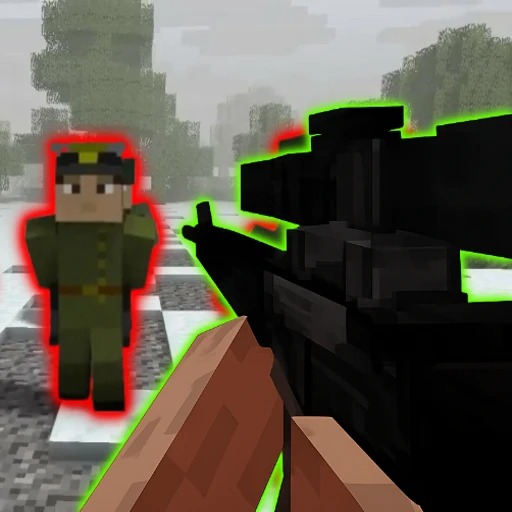
You spend most of your time lining up careful shots instead of spraying bullets, and that slower pace gives Block Sniper its personality. Each mission drops you into a chunky, pixel-styled battlefield with a clear objective, then asks you to read the area before taking the shot that matters. The blocky look keeps things readable at a distance, which suits a sniper game better than you might expect. Movement matters too, since you are not glued to one perch and can reposition when a lane feels too exposed. What works here is the straightforward mission structure: you enter, assess, pick targets, and try not to waste attempts by firing too early. It is a simple setup, but the mix of aiming, timing, and light movement gives the action enough tension to feel satisfying without turning into a full-on military sim.
Zindex
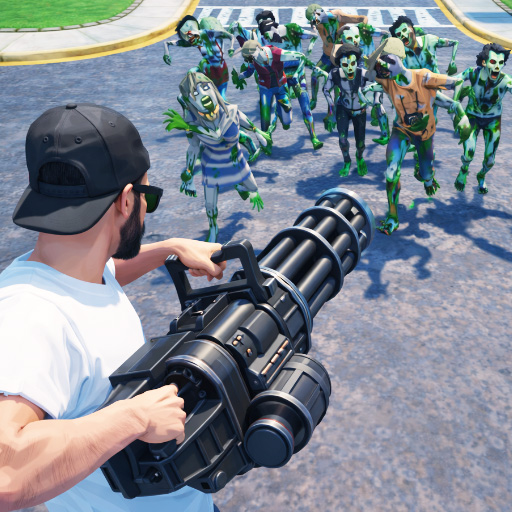
You’re dropped into a dead city with one practical objective: stay alive long enough to get a radio tower working. What makes Zindex stand out is the mix of close-quarters panic and slow, methodical scavenging. One minute you’re checking houses and storage spots for scrap, ammo, or usable gear; the next you’re forced into a messy fight because a small zombie problem turned into a hallway jam. The crafting adds useful tension since every supply run feels like a risk-reward decision, not busywork. Firearms help, but they don’t erase the pressure, and melee has enough weight to make bad positioning feel costly. The 3D spaces also give the game a more grounded survival feel than a typical top-down zombie shooter. It’s lean, hostile, and at its best when you’re deciding whether one more room is worth it.
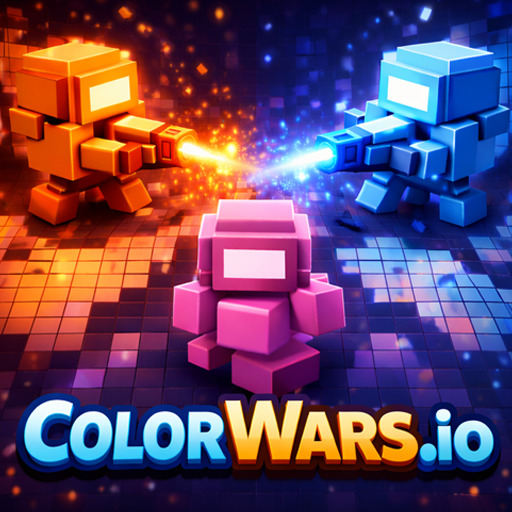
ColorWars.io
You spend most matches making uncomfortable decisions on purpose: push outward to claim more space, or turn back before someone cuts your line and wipes out the run. That risk-reward loop gives ColorWars.io its identity. It looks bright and readable, but the match flow is ruthless in a clean, tactical way. Expanding your zone feels useful only if you can actually hold it, and the gold system adds a smart layer because every defensive build slows your next offensive move. Shooting matters, but not in the usual arena-shooter sense; the best attacks come from catching opponents while they’re stretched thin outside their safe area. That makes every border skirmish feel tense instead of random. The leaderboard chase works because success isn’t just about reflexes. You need timing, map awareness, and the discipline to stop overextending one second earlier than you want to.
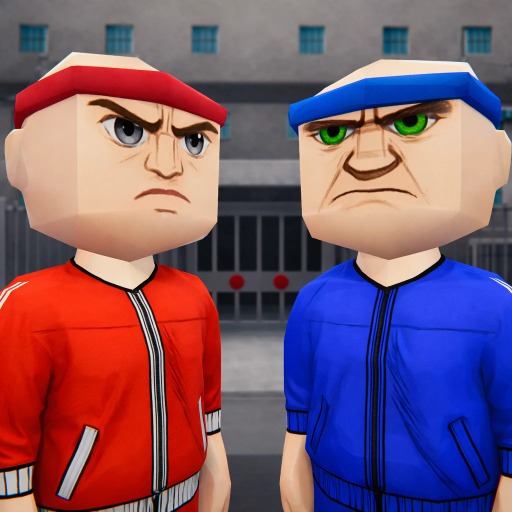
Gang War: Strike Shooter
You spawn into a city already split between two crews, and the match quickly becomes less about pure aim and more about controlling the map. Picking Reds or Blues gives every firefight a purpose, because banks, warehouses, and factories are more than scenery: they fund your next upgrade. That income loop gives the shooting a rough, territorial edge, and it makes losing ground feel expensive in a way many browser shooters never manage. There is a scrappy sandbox feel to the whole thing, from the prison-break setup to the constant pressure to move, defend, and buy smarter gear before the other side snowballs. You can play it aggressively, but the smarter approach is to treat each push like a turf grab. It is at its best when your team actually rotates together and the city turns into a messy back-and-forth street war.
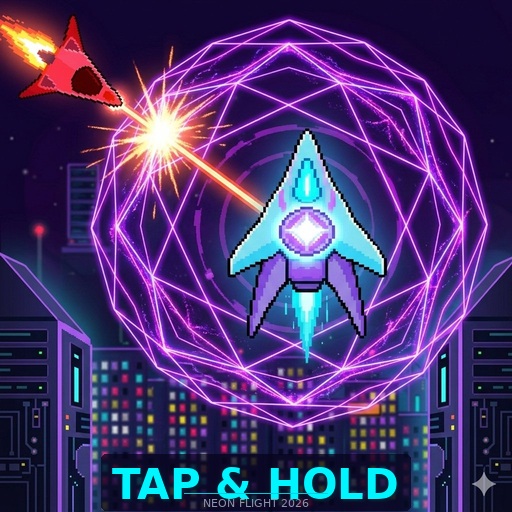
Tap-Hold
You spend the whole run riding a simple risk-reward rhythm: press to climb, let go to drop, then thread that movement through a neon obstacle course that gets tense faster than it first appears. The shooting label undersells it a bit; this feels more like a survival flyer where precision matters more than aggression. Coins tempt you into awkward lines, and the best moments come when you commit to a dangerous pickup route and barely squeeze back to safety. Power-ups break the pressure just enough to keep runs from feeling flat, while unlockable characters give you a decent reason to chase one more attempt. What works is the pace. It never asks for complicated inputs, but it does demand clean timing and a feel for momentum. One sloppy correction can turn a comfortable run into a crash, which makes every longer stretch feel earned.
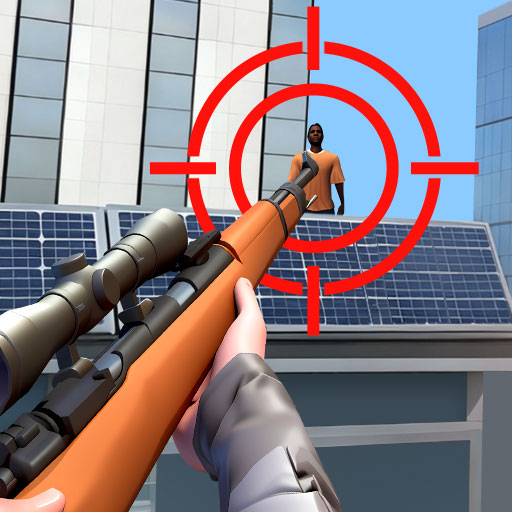
Mafia Sniper Crime Shooting
You spend most of your time lining up careful shots from a fixed vantage point, picking out mob targets before the scene gets too crowded or chaotic. The appeal here is the stop-and-shoot rhythm: pause, scan the street, confirm the mark, then commit. Because it leans on clean target-taking rather than gore or heavy realism, the focus stays on timing and accuracy instead of shock value. That makes each mission feel more like a test of observation than a pure reflex challenge. The mafia theme gives it a pulpy crime-movie flavor, but the actual play is simple and readable, which suits shorter sessions. If you like sniper games that keep the pressure manageable and let you enjoy the satisfaction of a well-placed shot, this one delivers a straightforward arcade version of that fantasy without bogging you down in clutter.

Archery Master - Bow and Arrow
Landing clean shots matters more here than firing fast. You spend most of your time judging angle, pull strength, and the tiny pause before release, while other archers try to drop you first. That mix of target practice and duel pressure gives the game its hook: every hit feels earned, especially when you stop rushing and start reading the arc of each arrow. Coins and score give you a reason to keep going, but the real appeal is the steady improvement in your aim from round to round. It has a simple arcade structure, yet the tension comes from small corrections rather than chaos. If you like shooters that reward patience over spray-and-pray reflexes, this one lands nicely. Miss high or release too early, and you immediately feel why precision matters.