
Browser
Discover 21 games to play right in your browser — no downloads needed.

Head Basketball Arena
You’re playing a stripped-down one-on-one basketball match where oversized characters turn every possession into a small, chaotic duel. What stands out here is how much you can tune before tipoff: character look, court setup, weather, AI level, and match length all let you shape whether the game feels casual or stubbornly competitive. Once the ball is live, it’s less about sim realism and more about timing your jumps, contesting shots, and using your body well in tight space. The exaggerated player size makes rebounds and loose balls feel scrappy in a good way, and matches move fast enough that one mistake can swing the score. It works best as a light arcade sports game, especially if you enjoy tweaking settings and immediately running another round to see if a shorter match or tougher opponent changes the rhythm.

Flag Football Game
You’re playing a lighter, quicker version of football where space matters more than brute force. Instead of grinding out contact, the fun comes from reading the field, slipping into open lanes, and choosing the right moment to pass before a defender closes in. Matches feel snappier than a full sim, which makes each possession matter and keeps the pressure on when you fall behind. The flag-pull setup gives the game a clean, arcade rhythm: one mistake can stop a drive fast, but a smart cut or well-timed throw can flip momentum just as quickly. It works best when you treat it like a positioning game rather than a power fantasy. If you like sports games that reward awareness and quick decisions over complicated systems, this one is easy to settle into and tough to play carelessly.
Russian Treasure Hunter
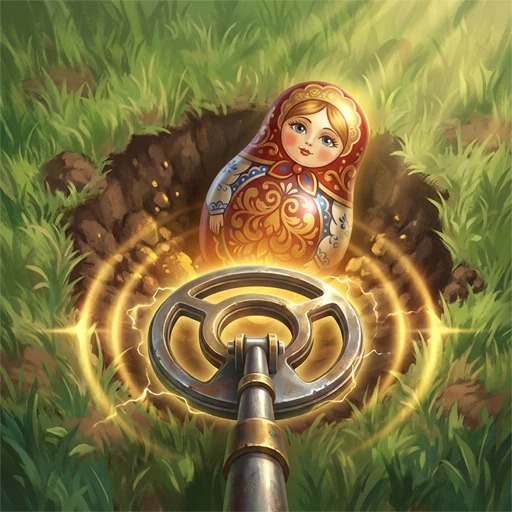
You spend most of your time reading a detector, judging when a promising patch of ground is worth the effort, and deciding whether one more sweep is smarter than heading back to town. That push and pull gives this mining sim its personality. It is not about flashy action; it is about patience, route choices, and the small thrill of noticing the signal creep upward before you finally dig. Selling what you find adds a steady economic layer, so every outing feels like a risk-reward calculation instead of a simple scavenger hunt. The backpack management matters more than you expect, because a careless haul can turn a productive run into a wasted one. What stands out is how methodical the loop feels: scan, commit, extract, cash out, upgrade, repeat. If you like slow-burn progression and tidy decision-making, this has a satisfying rhythm.
Metal Bay Top Blade Power
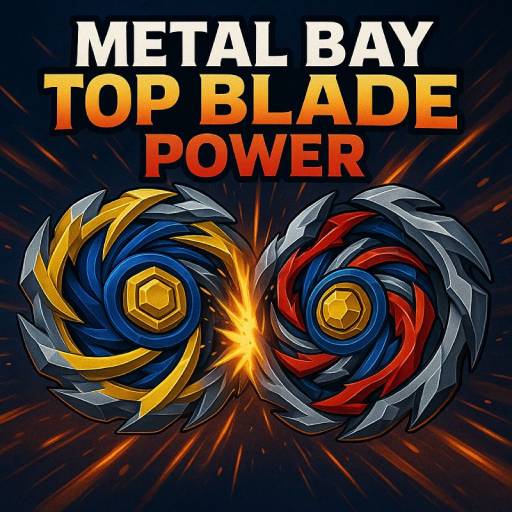
You spend most of your time circling for angle rather than charging straight in, which is what makes this arena battler work. Every clash in Metal Bay Top Blade Power feels like a small physics puzzle: do you cut across an opponent’s path, bump them off balance, or pull away before your own spin burns out? The top-down view keeps the action readable, and the match flow has a nice rhythm between aggressive hits and brief repositioning. It is simple to understand, but there is enough nuance in movement and contact to reward patience. The fun comes from learning how much momentum to carry into a collision and when to stop chasing a bad line. That makes each duel feel more deliberate than chaotic, even when the arena gets crowded and the impacts start stacking up.

Small Wardrobe
You spend your time sorting a tiny doll closet into something that actually feels curated instead of cluttered. The merge hook is simple: gather materials, combine matching items, and turn humble supplies into sweeter, more polished outfit pieces. What makes it work is the theme. This is less about chasing huge combo chains and more about slowly building a wardrobe full of soft, toy-like fashion details, from dresses to shoes and little add-ons that complete the look. The pace is gentle, but there is still a satisfying sense of progression as basic items become pieces you genuinely want to keep. If you like merge games with a calmer rhythm and a strong dress-up angle, this one stays focused on that loop without wandering into unnecessary complexity. It feels cozy, tidy, and pleasantly small-scale.
2048 Merge World
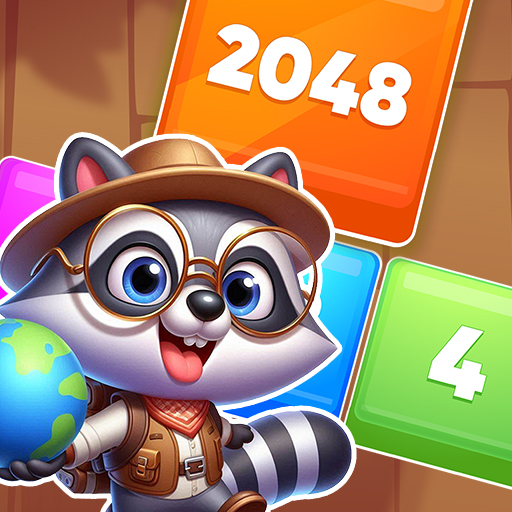
You’re working with a familiar 2048 setup, but this version keeps the appeal where it belongs: in the steady pressure of managing space before the board locks up. Every move matters because small mistakes linger for several turns, and a careless merge can scatter your high-value tiles into awkward positions. The fun comes from building order out of a grid that always wants to become messy. Chasing bigger numbers is satisfying, but the real challenge is keeping your layout stable while lower tiles keep appearing and clogging useful lanes. It’s easy to learn in seconds, yet it rewards patience more than speed. If you like puzzle games that feel calm on the surface but punish sloppy planning, this one delivers that classic number-merging tension without overcomplicating the formula.
Block Sniper
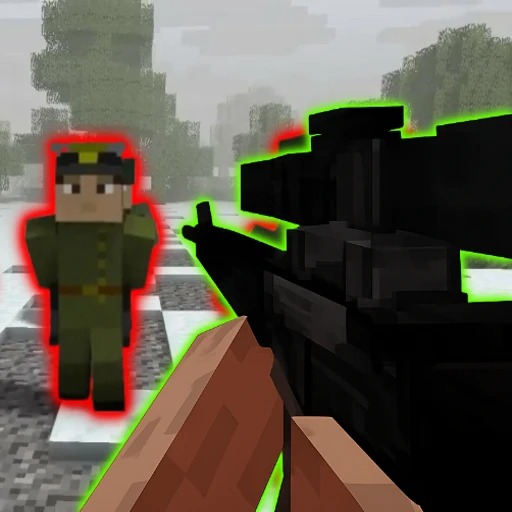
You spend most of your time lining up careful shots instead of spraying bullets, and that slower pace gives Block Sniper its personality. Each mission drops you into a chunky, pixel-styled battlefield with a clear objective, then asks you to read the area before taking the shot that matters. The blocky look keeps things readable at a distance, which suits a sniper game better than you might expect. Movement matters too, since you are not glued to one perch and can reposition when a lane feels too exposed. What works here is the straightforward mission structure: you enter, assess, pick targets, and try not to waste attempts by firing too early. It is a simple setup, but the mix of aiming, timing, and light movement gives the action enough tension to feel satisfying without turning into a full-on military sim.
Pick Brainrot: 3D Battle
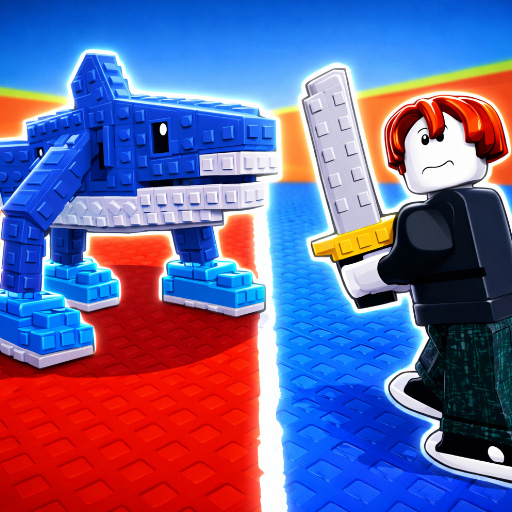
You’re dropped into a chunky 3D arena brawler built around a strange but funny hook: picking a Brainrot form and leaning into its strengths while trying to outlast everyone else. The early rounds feel scrappy, with basic weapon swings and a lot of circling, but the match flow changes once you start unlocking extra tools. Hitting level 5 for the shield matters because it finally gives you a way to survive messy close-range fights, and slow motion at level 10 can completely flip a duel if you time it well. That progression gives the battles a nice sense of momentum instead of feeling flat from the start. It’s not a deep combat sim, but it does have that playground-chaos appeal where weird character morphs, simple weapons, and title chasing keep you playing longer than expected.
Ultimate Tower Defense
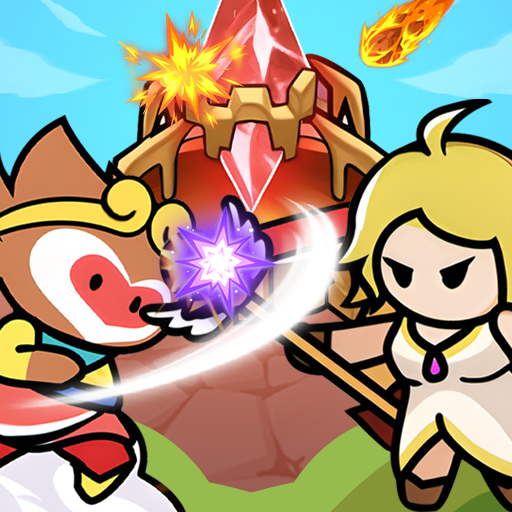
You’re juggling two pressures at once here: building a sturdy defensive line and deciding when a hero is worth more than another tower upgrade. Ultimate Tower Defense leans into that push-pull, so each wave feels less like passive waiting and more like a series of small, urgent corrections. Towers seem built around distinct attack roles rather than brute force alone, which gives placement real weight. A bad lane setup quickly turns into a leak, while a smart mix can hold longer than expected. The extra mode selection helps the game avoid feeling like one endless grind, and the faster pace keeps you focused on immediate battlefield problems instead of long-term empire building. It’s a straightforward strategy game, but the hero layer gives it a more active rhythm than many browser tower defense games, especially when you’re trying to patch weak spots before the next rush lands.
Word Search Universe 2
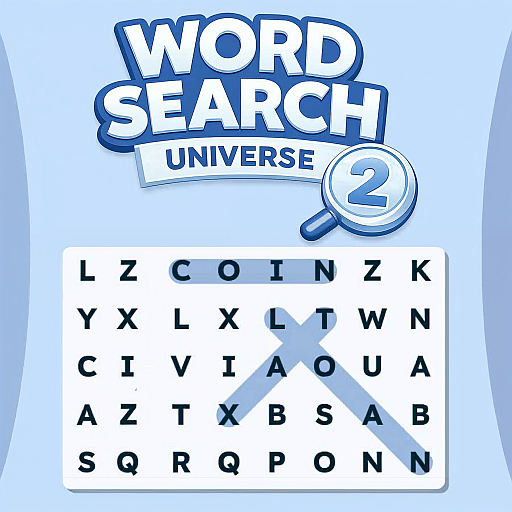
You’re scanning dense letter grids for themed words, but the hook here is how steadily the game broadens its subjects. One round has you picking out food terms in seconds; the next slows you down with history or science vocabulary that blends into the board more convincingly. That variety keeps the pace calm without making it brainless. The interface stays uncluttered, so your attention goes straight to pattern spotting and the small satisfaction of clearing a list cleanly. It’s a good puzzle game for short sessions because each board gives you a tidy objective and a clear finish, yet the rotating topics stop the routine from going stale. If you like word games that lean more on observation than trivia, this one lands nicely between relaxing and quietly demanding.
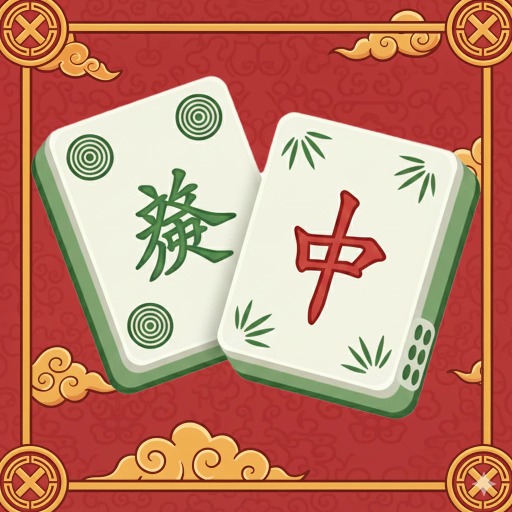
Mahjong connect tiles
You’re scanning the board for twin tiles, but the trick isn’t spotting matches, it’s spotting which matches are actually open. Mahjong Connect Tiles leans into that satisfying connect-style rhythm where a clear board comes from smart sequencing, not random tapping. Early moves feel generous, then the layout starts to punish impatience as useful pairs get trapped behind bad choices. That makes each round pleasantly methodical: clear the obvious path, preserve future links, and keep the board from clogging itself. It has a calm, low-pressure pace that suits short sessions, but there’s still enough tension in the layout to keep your attention locked in. If you like puzzle games that reward careful eyes and a little forward planning, this one delivers a clean, unfussy version of the formula without overcomplicating it.
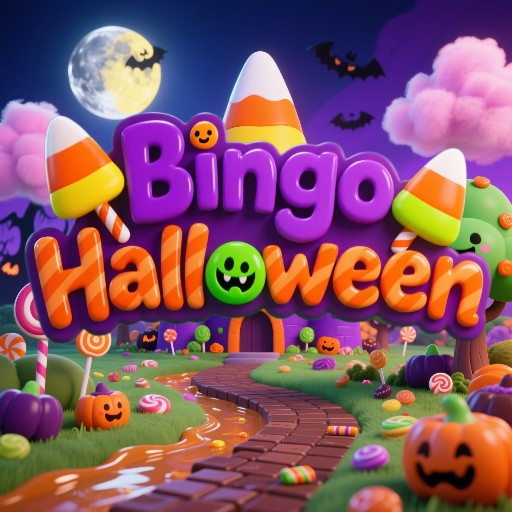
Bingo Halloween
You’re not here for jump scares; you’re here to settle into a brisk round of bingo with a Halloween coat of paint and a steady little reward loop. Numbers roll in, you scan your card, and the real rhythm comes from staying focused as the call speed picks up. The seasonal theme is light and playful rather than creepy, with candy-flavored unlocks giving each win a small sense of progress beyond the next card. What works is how clean the structure feels: mark spaces, build lines, chase the bingo, then keep going to reveal more themed images. It lands somewhere between a casual board game and a concentration exercise, which makes it easy to play in short bursts. If you like puzzle games that rely on attention instead of reflexes, this one has a simple, cozy groove.
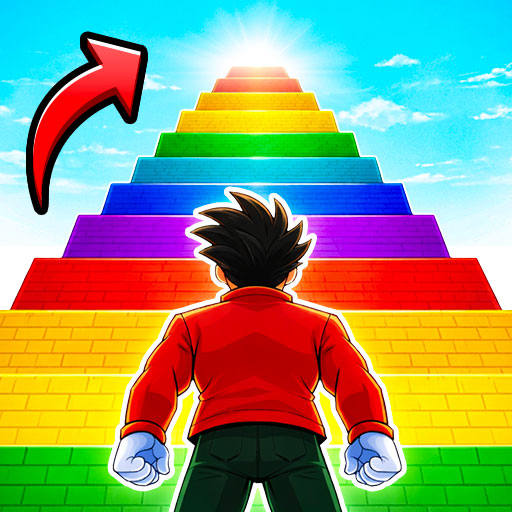
Obby Highest Jump Ever
What hooks you here is the strange mix of idle-style growth and simple platform climbing. You begin with barely enough jump to clear a short rooftop, then spend clicks building power until those tiny hops turn into huge launches toward taller and taller towers. That steady ramp from modest buildings to absurd heights gives the game its rhythm; every new rooftop feels like proof that your last few minutes actually mattered. It is less about tricky precision than about chasing the next height milestone, grabbing trophies, and deciding when to keep grinding versus when to cash in on bigger progression systems like rebirth. The controls stay approachable, so the satisfaction comes from watching your movement transform from clumsy to ridiculous. If you like games that turn repetition into visible progress, this one has a clean, easygoing loop that keeps nudging you upward.

Bunny Blox
You’re juggling two puzzle skills at once here: lining up color groups and managing falling pieces before the stack gets messy. Bunny Blox feels closer to a block-drop puzzle than a laid-back match game, so there’s a nice bit of pressure in every placement. You’ll be shifting each piece into position, turning it to fit awkward gaps, then dropping it fast when you’ve spotted a clean setup. The rabbit theme keeps things light, but the real hook is how quickly simple matches turn into board control. Special bonuses matter more than raw speed, especially once the playfield starts to crowd and careless drops leave dead space behind. It’s easy to read, easy to start, and just demanding enough to make you chase a better run. If you like puzzle games that reward tidy thinking over frantic clicking, this one has a solid rhythm.
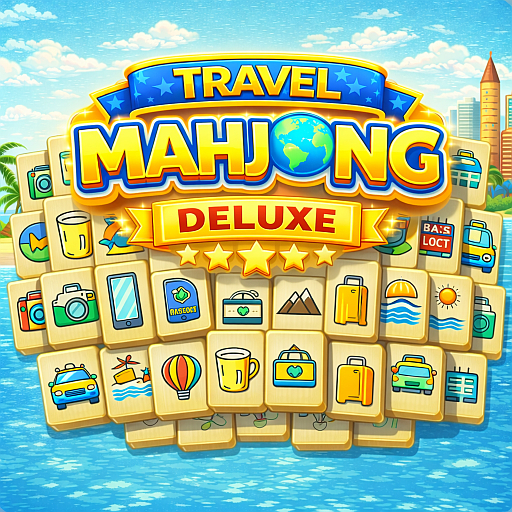
Travel Mahjong Deluxe
You spend most of your time scanning for exposed pairs, but the travel theme gives the usual mahjong loop a lighter, postcard-like feel. Suitcases, landmarks, and vacation-flavored icons make the board easy to read without turning every layout into visual clutter. What keeps it engaging is the steady shift in board shapes: some rounds open up quickly, while others punish careless early matches and leave key tiles buried. The hint option is useful, but the better rhythm is learning to pause before every click and protect your future moves. It’s a calm puzzle game, though not a sleepy one; you’re constantly weighing obvious pairs against the ones that actually free the board. If you like matching games with low pressure but real sequencing decisions, this one stays satisfying longer than its gentle presentation suggests.

Cars with Guns: Wasteland Showdown
Every run feels like a scrappy job in a ruined desert where your car is both transport and weapon. You’re taking contracts, chasing cash, and trying to come back with enough loot to justify the damage you take along the way. The driving has a rough hill-climb rhythm, so success isn’t just about speed; it’s about keeping momentum over broken terrain while lining up shots on enemies before they crowd your flank. What stands out is the balance between racing ahead and managing risk. Push too hard and you’ll bounce into trouble with no control, but play too cautiously and you lose the pace that keeps you alive. The money-and-reputation loop gives each trip a purpose, and the wasteland theme works because everything feels improvised, harsh, and a little unstable in the right way.

Arcade GP
You’re not just hugging the inside line and hoping for the best here. This top-down Formula 1 racer adds a layer of race management that gives each lap some tension, because pushing too hard can punish your tires long before the finish. The retro presentation keeps the track readable at speed, and that matters when you’re threading through corners while watching rivals and thinking about when to pit. The AI pressure is steady without turning every race into chaos, so wins feel earned through cleaner decisions rather than random contact. What stands out most is how the pit stop element changes the rhythm: you’re constantly weighing short-term pace against staying out too long. It’s a compact racing game, but it captures that satisfying split between driving skill and race strategy better than most simple browser racers.
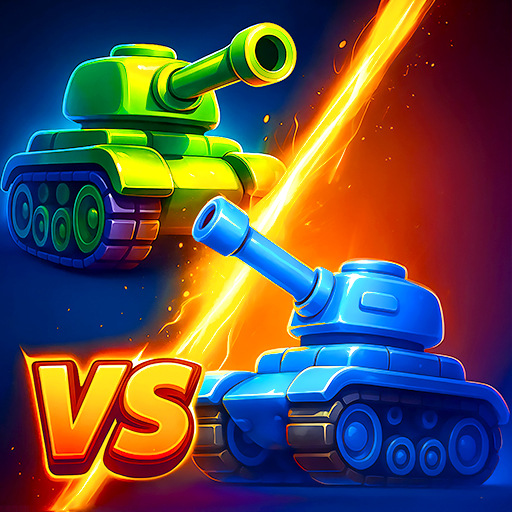
Fury Tanks
You spend most of Fury Tanks reading the landscape as much as the enemy. Each shot asks you to judge angle, power, and the shape of the hills between you and the opposing tank, so the match feels more like a measured artillery duel than a noisy arcade shooter. The upgrade hook helps too: stronger armor gives you a little room for error, while cannon boosts make clean hits feel properly heavy. What stands out is the pacing. There is enough pause between attacks to think through the next arc, but not so much that rounds drag. Miss badly and you usually know why, which makes the retry loop satisfying instead of random. It is a simple setup, but the mix of terrain, aim adjustment, and tank customization gives each exchange a tactical feel that suits short browser sessions.
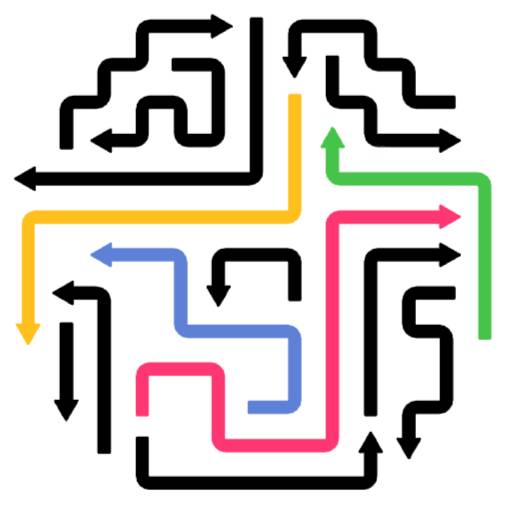
Arrow Escape
You’re not racing the clock here so much as trying not to outsmart yourself. Each stage in Arrow Escape feels like a compact logic trap: a maze of directional cues that looks simple at first, then forces you to slow down and trace consequences before committing. The hook is how a single wrong assumption can send you the long way around or box you into a dead end, so progress comes from reading the layout clearly rather than guessing. That makes it a good fit for puzzle players who enjoy short levels with a clean, low-pressure presentation. The arrow theme keeps the challenge focused, and the kid-friendly tone helps it stay approachable even when a solution takes a few tries. It’s a small-scale brain teaser, but the satisfaction comes from spotting the route the level has been quietly hiding from you.
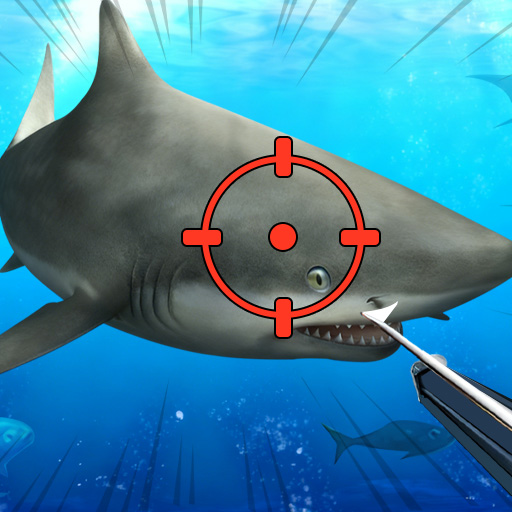
Hunter Underwater Spearfishing
Instead of rushing from target to target, you spend most of your time watching the water and waiting for a clean line. Hunter Underwater Spearfishing leans into that quiet, slightly tense feeling of seeing a fish drift just far enough away to make you hesitate. The rhythm is simple, but it works: scan, track, commit, then deal with the sting of a shot you released half a second too early. What keeps it interesting is how the underwater setting slows your thinking down. You start noticing angles, spacing, and which fish are worth taking now versus letting them settle into an easier path. That makes the game feel more like a stripped-down hunting sim than a browser action piece. It is best in short bursts, especially when you want something focused and low-pressure without turning your brain off.

Gummy merge
Your board fills with glossy little gummies, and the trick is knowing when to combine them and when to let them sit earning. Gummy Merge works best as a small planning game disguised as a cute candy toy: each higher-tier sweet boosts your income, so every merge changes both your layout and your long-term rate. You are constantly weighing space against value. Early on, it is tempting to fuse everything the moment a match appears, but the board gets better when you build toward cleaner chains instead of quick fixes. That push-pull gives the game its rhythm. The candy theme keeps the screen light and playful, yet the real hook is economic housekeeping. Because there is no final level to chase, satisfaction comes from tidying a messy tray of jellies into a smoother, richer setup and watching the coin flow become noticeably faster.