
Hunter Underwater Spearfishing
Syncing
Restoring your latest save before the game starts.
Sign in to sync your progress across sessions and devices.
About Hunter Underwater Spearfishing
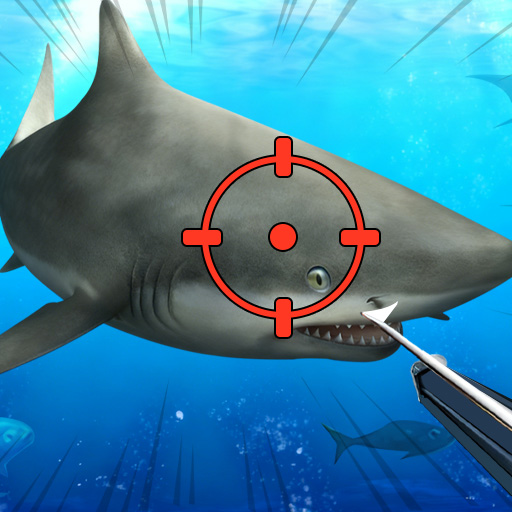
Patient aiming and the quiet underwater tempo give this simple hunting game more personality than its basic loop suggests.
Instead of rushing from target to target, you spend most of your time watching the water and waiting for a clean line. Hunter Underwater Spearfishing leans into that quiet, slightly tense feeling of seeing a fish drift just far enough away to make you hesitate. The rhythm is simple, but it works: scan, track, commit, then deal with the sting of a shot you released half a second too early. What keeps it interesting is how the underwater setting slows your thinking down. You start noticing angles, spacing, and which fish are worth taking now versus letting them settle into an easier path. That makes the game feel more like a stripped-down hunting sim than a browser action piece. It is best in short bursts, especially when you want something focused and low-pressure without turning your brain off.
Strengths
- measured underwater pacing
- satisfying shot timing
- clean short-session structure
Trade-offs
- limited action variety
- repetitive spot-and-shoot structure
- very steady pacing
Best forPlayers who like calm, timing-based hunting games and would rather line up careful shots than mash through constant action.
Instant Play
No install needed
Cross-Platform
Desktop & mobile
Safe & Curated
Verified source
How to Play
Use your mouse or tap input to play, then focus on reading the water before you act. Beginner tip: wait for obvious, close targets instead of chasing every fish on screen. Strategic tip: track movement for a moment so your shot matches the fish's path, not its current spot. Avoid frantic tapping; rushed attempts waste openings and usually leave you correcting after the fish has already drifted away.
You Might Like
More in Adventure
Pick Brainrot: 3D Battle
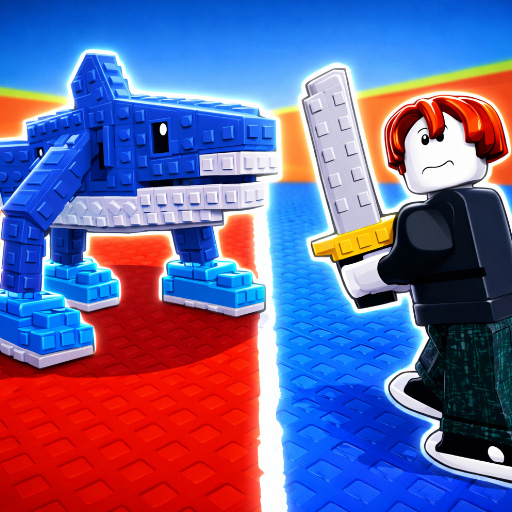
You’re dropped into a chunky 3D arena brawler built around a strange but funny hook: picking a Brainrot form and leaning into its strengths while trying to outlast everyone else. The early rounds feel scrappy, with basic weapon swings and a lot of circling, but the match flow changes once you start unlocking extra tools. Hitting level 5 for the shield matters because it finally gives you a way to survive messy close-range fights, and slow motion at level 10 can completely flip a duel if you time it well. That progression gives the battles a nice sense of momentum instead of feeling flat from the start. It’s not a deep combat sim, but it does have that playground-chaos appeal where weird character morphs, simple weapons, and title chasing keep you playing longer than expected.
Sky Assault
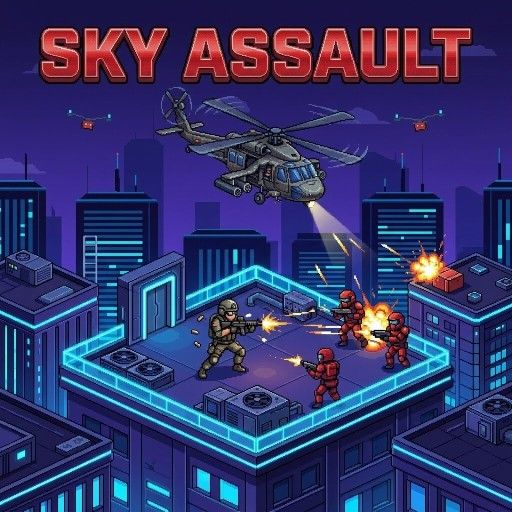
You start with the worst kind of advantage: a drop into a tower full of enemies and nowhere to retreat but down. What makes Sky Assault work is the pressure of that descent. Each floor feels like a quick tactical problem, asking whether you should clear space carefully or push fast before you get boxed in. The neon high-rise look gives it a sharp arcade identity, but the real hook is how the random floor layouts keep you from settling into autopilot. Enemy variety matters here, because you keep adjusting to different attack patterns instead of mowing through the same targets forever. Boss fights breaking up the run every few levels help the pace, and crate looting adds a small risk-reward choice when you're low on ammo. It feels lean, readable, and tense in the way a good score-chasing shooter should.
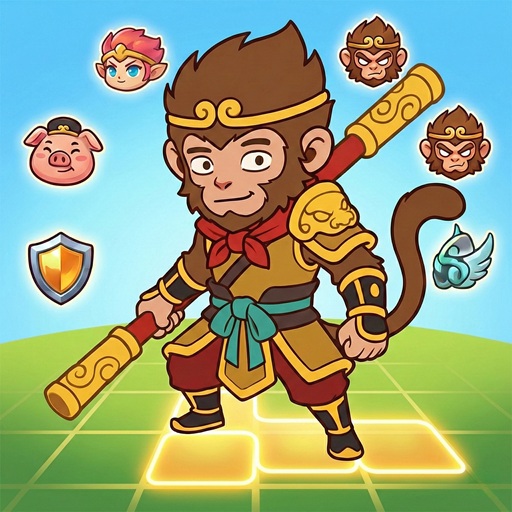
Dark Myth: Monkey Merge
You spend most of your time balancing two pleasures here: snapping matching fighters together and watching your upgraded squad survive another ugly wave of monsters. The Monkey King theme gives the whole loop a stronger identity than a generic merge battler, especially once the rescue angle starts pushing you through stages instead of leaving you to grind aimlessly. Every promotion feels tangible because stronger units don’t just look rarer; they help stabilize chaotic fights that can unravel fast if your lineup is uneven. What works best is the pacing. Early rounds teach the combine-and-deploy rhythm quickly, then later pushes ask you to think about when to merge for quality and when to keep numbers on the field. It’s still a straightforward progression game, but the army-building has enough tension to stay engaging across short sessions.