Puzzle
Discover 24 games to play right in your browser — no downloads needed.
Bento Match
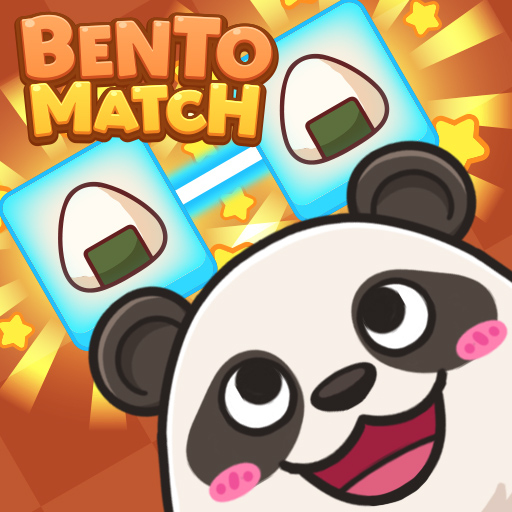
What looks like a cute tile puzzler has a surprisingly sharp edge once you notice how expensive sloppy moves can be. You’re sliding themed blocks around a cramped board, trying to line them up cleanly so they disappear without wasting space. The clever twist is that extra repositioning costs a life, so every non-clearing move feels like a small penalty you have to justify. That gives the whole thing a tidy risk-reward rhythm: do you shuffle pieces now to set up a better clear, or hold off and work with the mess you made? When the board opens up, being able to shift multiple blocks at once is where the game starts to feel satisfying instead of merely cute. Coins and collectible block sets add a nice long-tail reward, especially since rarer pieces are worth more and subtly change what you hope to see next.
Thread Sort
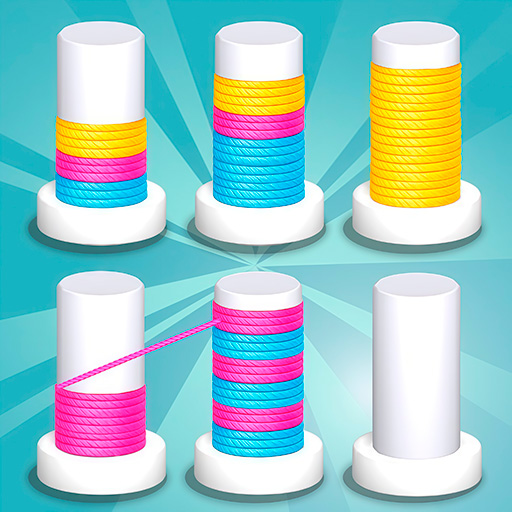
You spend most of your time untangling color order on spools, but the clever hook is what happens after a clean solve: the sorted thread turns into a stitched picture. That little payoff gives each level a sense of purpose beyond clearing pegs. The puzzle itself is easy to read but not always easy to undo once you clog your empty spaces with the wrong shades. It has the same calm rhythm as liquid-sorting games, yet the sewing theme makes the whole thing feel warmer and more tactile. The visuals stay soft and cozy, and watching the final image fill in is genuinely satisfying instead of feeling like a throwaway reward. If you like low-pressure puzzle games that still punish sloppy planning, this one lands in a nice middle ground.
2048 Merge World
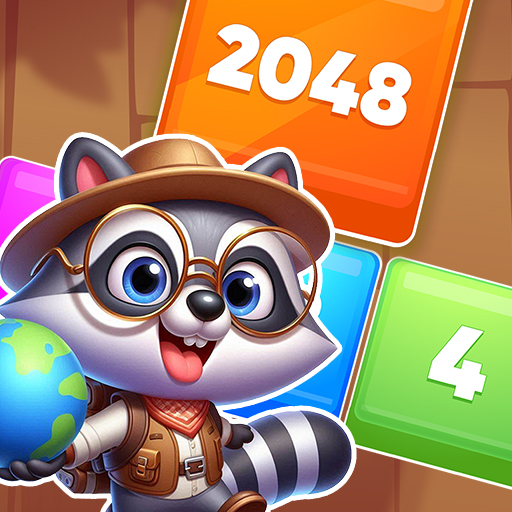
You’re working with a familiar 2048 setup, but this version keeps the appeal where it belongs: in the steady pressure of managing space before the board locks up. Every move matters because small mistakes linger for several turns, and a careless merge can scatter your high-value tiles into awkward positions. The fun comes from building order out of a grid that always wants to become messy. Chasing bigger numbers is satisfying, but the real challenge is keeping your layout stable while lower tiles keep appearing and clogging useful lanes. It’s easy to learn in seconds, yet it rewards patience more than speed. If you like puzzle games that feel calm on the surface but punish sloppy planning, this one delivers that classic number-merging tension without overcomplicating the formula.
Stack Tower Pro
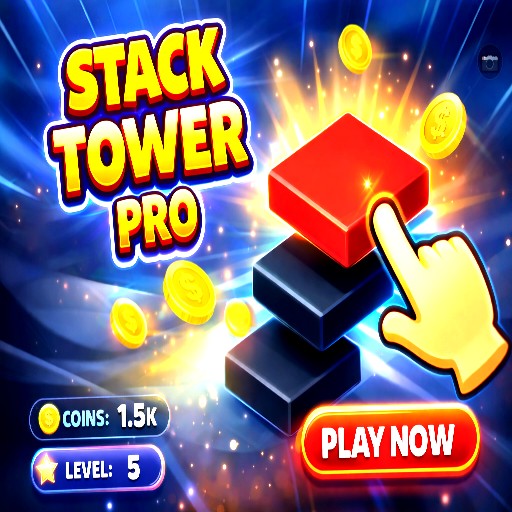
You spend most of your time watching the edge of each block, waiting for that tiny window where a clean drop keeps the tower stable. Stack Tower Pro turns a simple idea into a steady test of timing: each placement feels easy until your rhythm slips and the whole structure starts looking dangerously uneven. The 3D presentation helps you read the stack, but it also makes small mistakes feel bigger because every offset is visible. What works here is the pacing. Rounds move quickly, so you stay in that "one more try" loop without much downtime, and chasing a taller build becomes its own little obsession. The unlockable themes give you a reason to keep going, but the real hook is improving your accuracy from drop to drop. It's a neat precision puzzler that stays focused on balance instead of overcomplicating the formula.
Magic Bottles
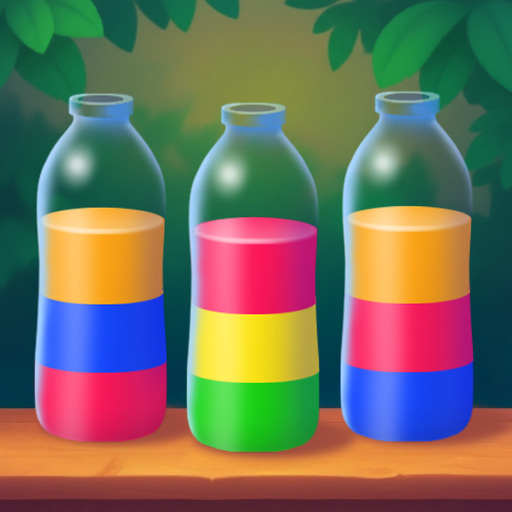
You spend most of your time reading the top layer of each bottle and looking two or three moves ahead, which is exactly why this color-sorting puzzler works so well. Each level starts simple, but the challenge quickly shifts from obvious pours to careful sequencing. One bad transfer can trap a color under the wrong stack and force you to untangle the whole setup. The pace stays calm, though, so it feels more like straightening out a knot than racing a timer. What makes it satisfying is the way messy arrangements slowly become clean, uniform sets through logic rather than luck. If you like puzzle games that reward patience and tidy thinking, this one has a nice rhythm. It is easy to understand in seconds, but later layouts make you earn every perfectly sorted bottle.
That's my seat!
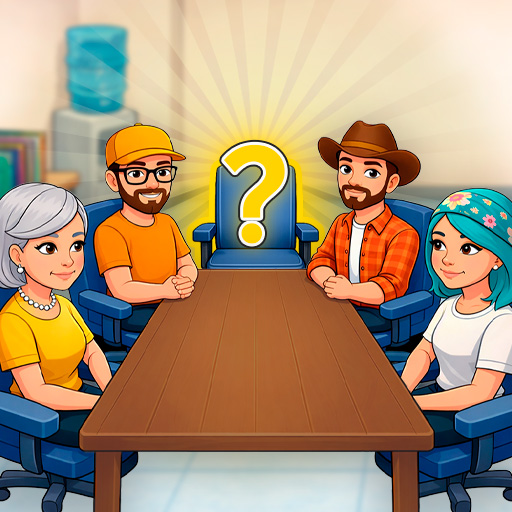
You spend each round untangling a small social puzzle: who belongs in which chair, and which clue actually matters first. The hook is the seating setup itself. Instead of matching colors or clearing tiles, you're reading relationships, testing possibilities, and narrowing the board until every person lands in the only spot that fits. It has the tidy satisfaction of a logic-grid puzzle without the heavier presentation those games sometimes drag around. The best moments come when one tiny clue unlocks the whole arrangement and a messy row of guesses suddenly clicks into place. Because the goal stays focused, the pace feels calm rather than rushed, which makes it easy to play in short sessions. If you like deduction puzzles that reward careful attention more than speed, this one gives you a clean, approachable brain workout.

Yarn Fever! Unravel Puzzle
You’re not just matching colors here; you’re untangling a board that keeps tightening the more carelessly you play. Each level asks you to pull strands from knitted pieces and route them into the right containers, which turns a simple sorting idea into a light logic puzzle. The hook is the way clutter builds: one bad move can block a useful lane, while a patient sequence clears space and makes the whole board suddenly readable. Extra tools like added slots and cleanup-style helpers keep harder stages from becoming tedious, but the game works best when you rely on planning instead of rescue items. The bright fabric look and soft pacing make it easy to settle into, yet there’s enough friction in the later layouts to keep your brain engaged. It’s a calm puzzle game, but not a mindless one.
Word Search Universe 2
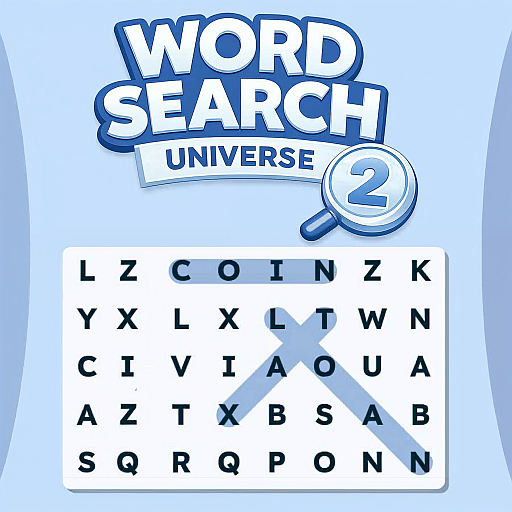
You’re scanning dense letter grids for themed words, but the hook here is how steadily the game broadens its subjects. One round has you picking out food terms in seconds; the next slows you down with history or science vocabulary that blends into the board more convincingly. That variety keeps the pace calm without making it brainless. The interface stays uncluttered, so your attention goes straight to pattern spotting and the small satisfaction of clearing a list cleanly. It’s a good puzzle game for short sessions because each board gives you a tidy objective and a clear finish, yet the rotating topics stop the routine from going stale. If you like word games that lean more on observation than trivia, this one lands nicely between relaxing and quietly demanding.
Relaxing cubes and campfire
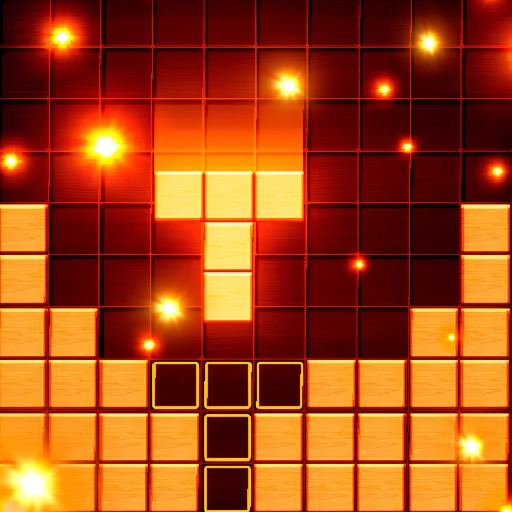
You’re not racing a clock here; you’re settling into a slow, steady block puzzler where the real hook is the mood. Each turn asks you to fit cube pieces onto the board and clear full rows or columns, but the campfire theme changes how the whole loop feels. Instead of pushing tension, it gives you room to think a move ahead and keep the grid tidy. That makes small mistakes stand out more, because one awkward placement can box out the larger shapes you’ll wish you had saved space for later. The satisfaction comes from maintaining a clean board and squeezing value from simple-looking pieces, not chasing flashy effects. If you like puzzle games that let you relax without turning your brain off, this one has a calm, almost meditative rhythm that suits short sessions especially well.
Slide Block Puzzle
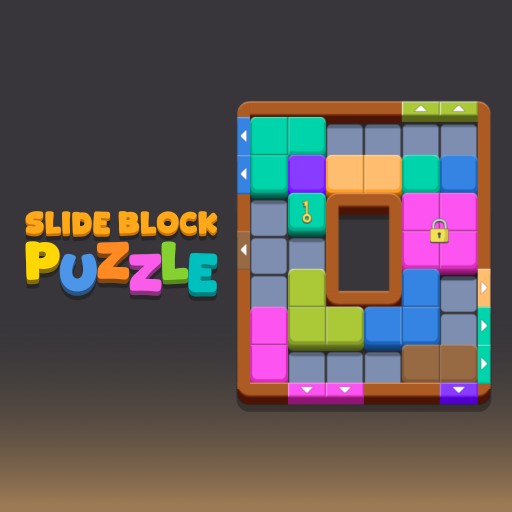
What makes this one work is how cleanly it turns a simple sliding puzzle into a color-routing problem. You are not just shuffling blocks around until space opens up; you are trying to line each piece up with the correct path and exit, which gives every move a little more purpose. The pace is quiet and deliberate, so it feels more like untangling a compact logic box than racing through brainteasers. Early layouts teach you how to create room without much friction, then later boards start punishing careless moves and blocked lanes. I liked that the challenge comes from position and order rather than gimmicks. When you solve a board, the result feels earned because the answer usually depends on setting up several pieces in sequence. If you want a puzzle game that stays calm while still making you think ahead, this is a solid fit.
Bingo Halloween
You’re not here for jump scares; you’re here to settle into a brisk round of bingo with a Halloween coat of paint and a steady little reward loop. Numbers roll in, you scan your card, and the real rhythm comes from staying focused as the call speed picks up. The seasonal theme is light and playful rather than creepy, with candy-flavored unlocks giving each win a small sense of progress beyond the next card. What works is how clean the structure feels: mark spaces, build lines, chase the bingo, then keep going to reveal more themed images. It lands somewhere between a casual board game and a concentration exercise, which makes it easy to play in short bursts. If you like puzzle games that rely on attention instead of reflexes, this one has a simple, cozy groove.
Sliding Puzzle
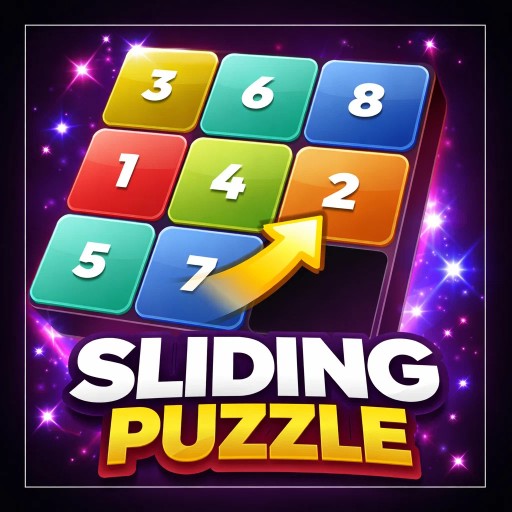
You’re not racing a clock here so much as untangling your own mistakes, and that’s what makes this sliding number puzzle so absorbing. Each board asks you to rebuild numerical order by shifting tiles through a single open space, starting simple on smaller grids before the larger layouts create real traffic jams. The jump from 3x3 to 4x4 and 5x5 matters; bigger boards turn a familiar brain teaser into something more methodical, where one careless move can scatter a nearly solved corner. The clean presentation helps you stay focused, and the optional auto-solve is useful when you want to study the logic instead of brute-forcing it. This version works best as a steady, thoughtful puzzle game: less about flashy pressure, more about spotting patterns, protecting finished rows, and enjoying that moment when the last few tiles finally click into place.
Bottle Logic
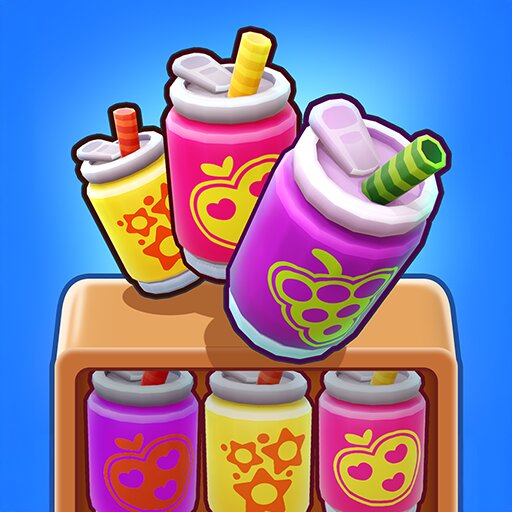
What works here is the steady, almost meditative rhythm of sorting one bottle at a time until a messy layout suddenly clicks into order. You spend each level untangling color stacks, planning a few moves ahead, and protecting the empty space that keeps the whole puzzle solvable. Early stages ease you in, but the larger layouts start punishing careless shuffling and reward patience instead of speed. That makes Bottle Logic feel less like a flashy brain teaser and more like a clean, quietly demanding logic game you can settle into for a while. The huge level count helps, but the real hook is how often a board looks impossible right before the solution reveals itself. Endless mode is a nice extra, though the handcrafted stages are where the puzzle design feels most deliberate and satisfying.
Candy Crunch: Sugar Escape
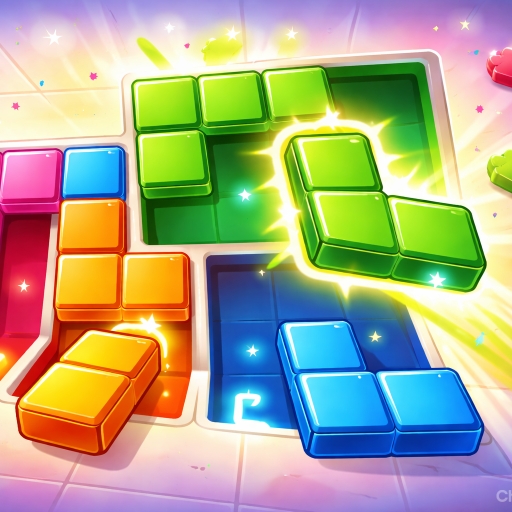
You spend most of your time untangling a cramped tray of candy-colored pieces, figuring out which shape can leave first without trapping the rest. The hook in Candy Crunch: Sugar Escape is how readable each puzzle feels at a glance, then how quickly that confidence disappears once exits start competing for the same narrow lanes. Matching pieces to their colored goals sounds simple, but the fun is in managing order: one careless move can block a long piece or strand a square in the wrong corner. It stays approachable because levels are brief and the visual language is clear, yet there is enough friction to make each clean solution satisfying. This is less about speed and more about patiently creating space, spotting the one blocker that matters, and enjoying that small click when the board finally opens up.
Puzzle Blocks
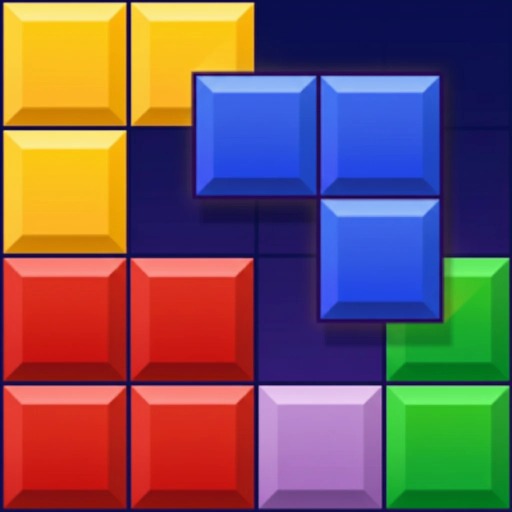
You’re dragging chunky pieces into a grid, trying to complete full rows and columns before the board clogs up. What makes Puzzle Blocks work is the way it shifts your mood depending on the mode: one round pushes you to think fast under a timer, another asks for cleaner, more deliberate saves, and free play lets you settle into that satisfying rhythm of setting up double clears. It borrows the simple pleasure of line-making, but it feels more like space management than twitch reflex. The best moments come when you stop chasing the obvious placement and hold out for a move that pops multiple lines at once. It’s easy to read, quick to restart, and calming even when the pace picks up. If you like puzzle games that reward neat planning over flashy gimmicks, this one stays engaging longer than its plain presentation suggests.
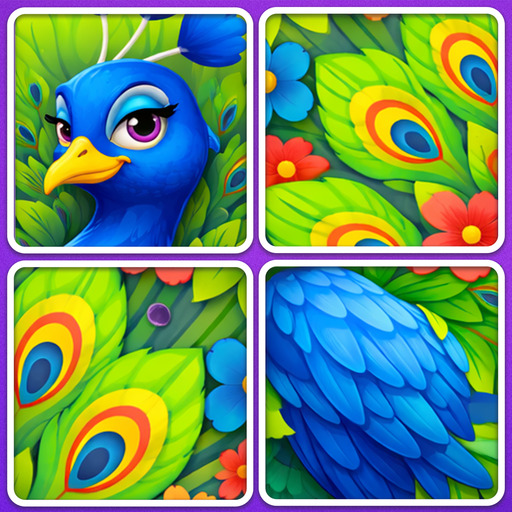
Jigsaw Cards: Daily Puzzles
This daily puzzle setup works because it keeps the focus on small, satisfying wins instead of marathon sessions. You’re piecing together illustrated scenes from scattered card-like fragments, and the pleasure comes from spotting tiny color transitions, edge cues, and repeated textures before the image fully reveals itself. The daily structure gives each puzzle a clear reason to come back, while the presentation stays calm and uncluttered. It feels closer to a tabletop picture puzzle than a frantic mobile brain teaser, which suits the pace. You’ll spend most of your time scanning for visual anchors rather than racing a clock, and that makes every completed section feel earned. If you like puzzle games that let you settle in, observe carefully, and finish with a clean sense of closure, this one understands the assignment without overcomplicating a simple idea.
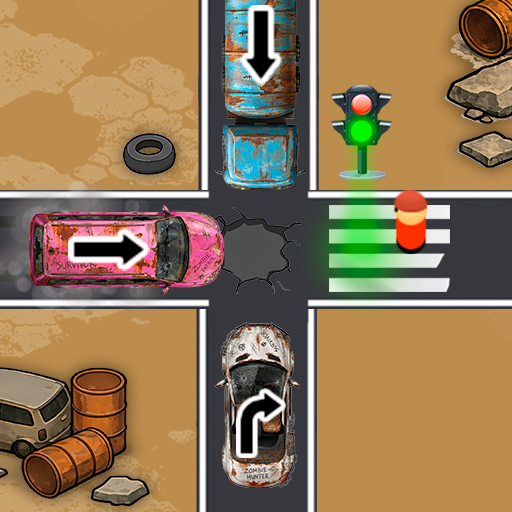
Traffic Tap Survival
One bad tap can turn a tidy intersection into a pileup, and that constant pressure is what makes this traffic puzzler work. You are not steering cars so much as judging tiny gaps, reading arrow directions, and deciding which vehicle deserves the road first. The survival angle gives each round a brisk, anxious rhythm: clear one dangerous crossing, then immediately scan for the next mistake waiting to happen. Tight turns and busy junctions keep the challenge focused on timing rather than speed alone, so reckless tapping usually causes the chaos you're trying to prevent. What stands out is how quickly you start thinking like a traffic controller, spotting routes, predicting conflicts, and holding one car back so three others can slip through cleanly. It is simple to understand, but staying calm when the screen gets crowded is the real test.
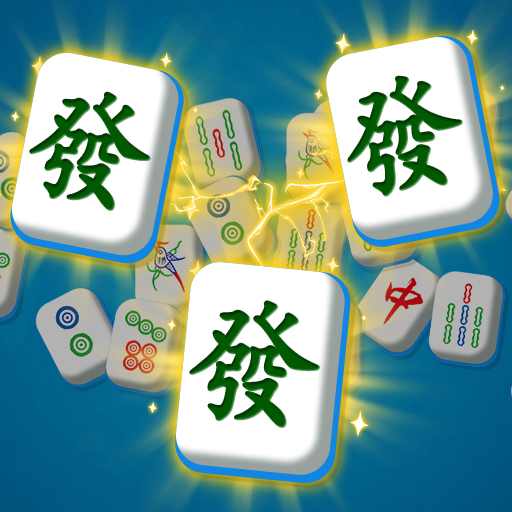
Mahjong Triple 3D Tile Match
What makes this one work is the way it turns a familiar tile-matching loop into a small exercise in reading clutter. You are not just spotting pairs on a flat board; you're scanning a layered 3D pile, picking out identical tiles before the tray fills up and your options tighten. That added depth gives each round a slightly fussy, satisfying rhythm: clear the obvious sets first, then hunt for pieces half-buried under the stack. The mahjong theme is mostly visual rather than traditional, so it plays more like a calm sorting puzzle than a strict board game adaptation. That makes it easy to slip into, especially if you want something low-pressure but still mentally active. It is at its best when the pile looks chaotic and you manage to unravel it methodically, one smart triple at a time.

Bunny Blox
You’re juggling two puzzle skills at once here: lining up color groups and managing falling pieces before the stack gets messy. Bunny Blox feels closer to a block-drop puzzle than a laid-back match game, so there’s a nice bit of pressure in every placement. You’ll be shifting each piece into position, turning it to fit awkward gaps, then dropping it fast when you’ve spotted a clean setup. The rabbit theme keeps things light, but the real hook is how quickly simple matches turn into board control. Special bonuses matter more than raw speed, especially once the playfield starts to crowd and careless drops leave dead space behind. It’s easy to read, easy to start, and just demanding enough to make you chase a better run. If you like puzzle games that reward tidy thinking over frantic clicking, this one has a solid rhythm.
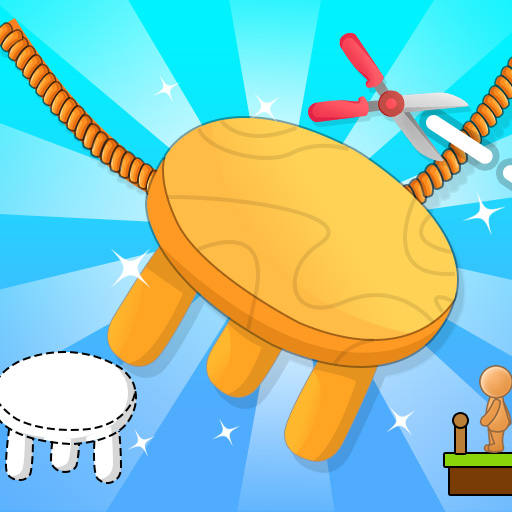
Seat Puzzle Cut The Rope
You’re sorting out a surprisingly tidy little logic puzzle where every move has to respect color matching and rope order. Each stage gives you a cluster of tied-up seats and waiting passengers, and the challenge is figuring out which rope to cut first so the right people end up in the right places. It’s less about speed than reading the setup cleanly before you create a mess for yourself. What works here is the clear cause-and-effect: one cut opens space, another blocks a route, and a bad choice can leave the whole arrangement awkwardly jammed. The theme is simple, but it gives the puzzles a physical feel that makes the solutions satisfying. It’s a lightweight brain teaser, yet the better levels make you pause, scan the colors, and think two or three steps ahead instead of just snipping at random.
Lost Things - Hidden Objects
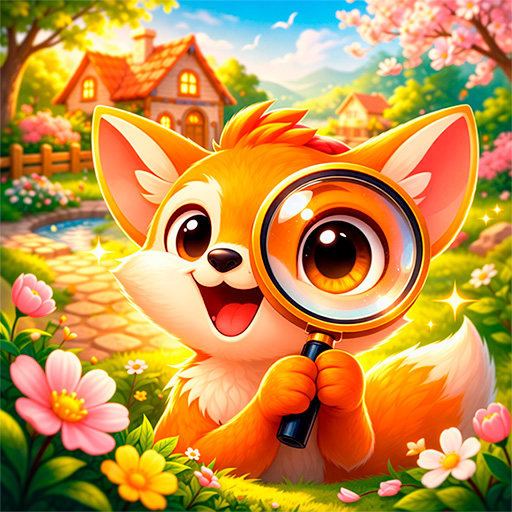
You’re not racing a clock here; you’re scanning dense illustrated scenes for tiny, cleverly tucked-away items and gradually opening more of the map as your list shrinks. Lost Things - Hidden Objects leans into the pleasure of patient searching rather than challenge spikes, so the appeal comes from how busy each area feels and how often an object is hiding in plain sight. The animal-filled, character-packed artwork gives every screen a storybook clutter that keeps your eyes moving. What works especially well is the sense of progression: each batch of finds pushes you into a fresh section, which makes long sessions feel steady instead of repetitive. It’s a calm puzzle game that rewards focus, pattern recognition, and a willingness to slow down. If you like hidden object games that feel cozy and expansive instead of stressful, this one understands the assignment.
Arrow Puzzle
You’re working through compact maze boards where every move matters, and the appeal comes from reading the layout before you commit. Each arrow feels like a small promise: tap it at the right moment and the board opens up; tap too soon and you can trap useful routes for later. That gives Arrow Puzzle a calm, methodical rhythm instead of a frantic one. It’s less about speed than spotting which pieces are truly available and which ones only look safe at first glance. The maze theme helps the logic stand out, because clearing space gradually makes the whole board easier to read. What keeps it interesting is that satisfying chain reaction when one correct choice frees several more. It’s a simple premise, but the order of actions gives it enough bite to stay engaging without losing its relaxed, tidy feel.
Arrow Escape
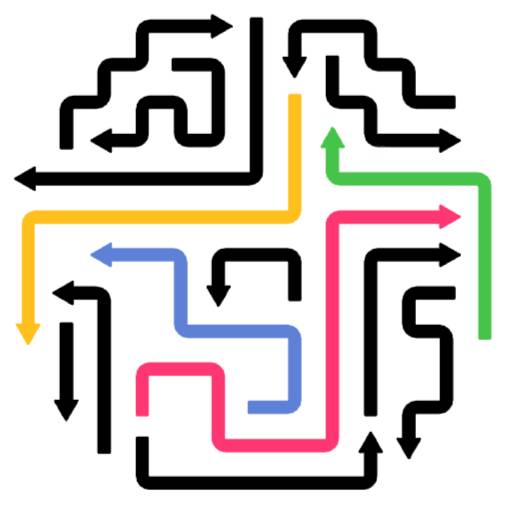
You’re not racing the clock here so much as trying not to outsmart yourself. Each stage in Arrow Escape feels like a compact logic trap: a maze of directional cues that looks simple at first, then forces you to slow down and trace consequences before committing. The hook is how a single wrong assumption can send you the long way around or box you into a dead end, so progress comes from reading the layout clearly rather than guessing. That makes it a good fit for puzzle players who enjoy short levels with a clean, low-pressure presentation. The arrow theme keeps the challenge focused, and the kid-friendly tone helps it stay approachable even when a solution takes a few tries. It’s a small-scale brain teaser, but the satisfaction comes from spotting the route the level has been quietly hiding from you.
Goods Sorting Shopping Master
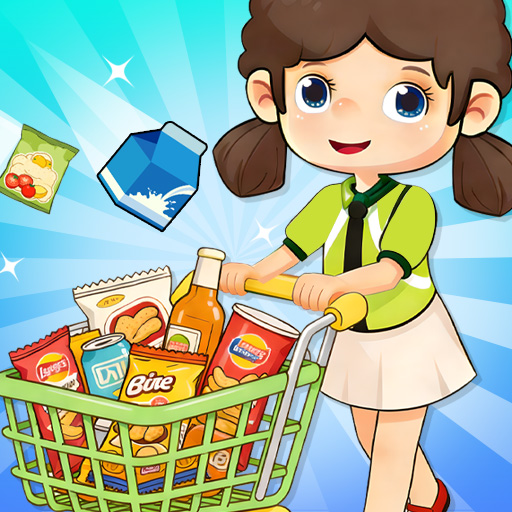
What looks like a tidy supermarket puzzler turns into a smart exercise in restraint once your tray starts filling up. You pick visible items from crowded shelves and try to make sets of three, but the real challenge is deciding which product to expose next. Every can, bottle, or box you take changes the board, opening better matches or clogging your limited holding space with awkward leftovers. Because the items are everyday groceries instead of abstract icons, you can actually track where likely pairs are hiding and build small plans around them. The satisfying moments come when one careful pick unlocks a chain of clean clears across a whole row. It stays calm, but it never plays itself. If you keep tapping whatever is closest, the tray becomes a mess fast. This is a relaxed puzzle on the surface, with a surprisingly strict lesson about sequencing underneath.