Syncing
Restoring your latest save before the game starts.
Sign in to sync your progress across sessions and devices.
About Candy Crunch: Sugar Escape
Smart little sliding puzzles that stay mellow while still making you earn each clean solution.
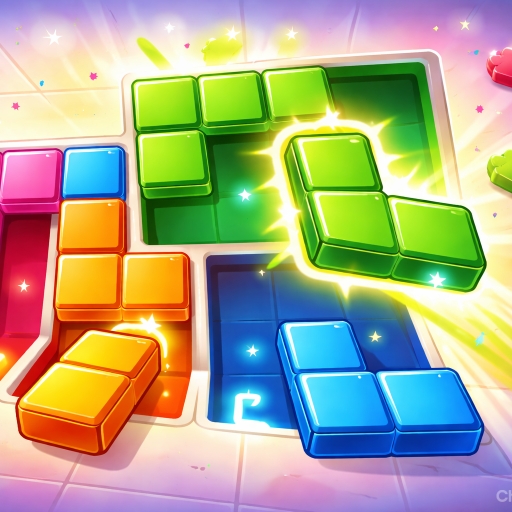
You spend most of your time untangling a cramped tray of candy-colored pieces, figuring out which shape can leave first without trapping the rest. The hook in Candy Crunch: Sugar Escape is how readable each puzzle feels at a glance, then how quickly that confidence disappears once exits start competing for the same narrow lanes. Matching pieces to their colored goals sounds simple, but the fun is in managing order: one careless move can block a long piece or strand a square in the wrong corner. It stays approachable because levels are brief and the visual language is clear, yet there is enough friction to make each clean solution satisfying. This is less about speed and more about patiently creating space, spotting the one blocker that matters, and enjoying that small click when the board finally opens up.
Strengths
- clear color-matching objective
- satisfying board untangling
- short readable levels
Trade-offs
- limited visual variety
- slow-paced puzzle flow
- few dramatic surprises
Best forPlayers who like calm logic games built around movement order, spatial planning, and short bite-size puzzle sessions.
Instant Play
No install needed
Cross-Platform
Desktop & mobile
Safe & Curated
Verified source
How to Play
Drag each block toward the exit with the same color and clear the board piece by piece. Beginner tip: look for the block with the clearest path first to create room. Strategic tip: plan two or three moves ahead, because moving the wrong shape can seal off a lane. Avoid shifting pieces randomly; that usually turns an easy layout into a crowded mess.
You Might Like
More in Puzzle
Bento Match
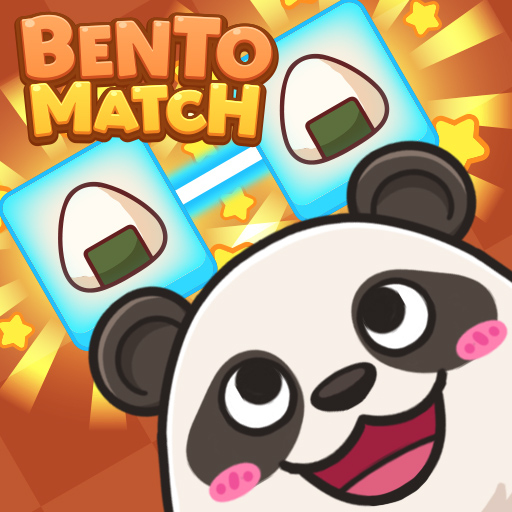
What looks like a cute tile puzzler has a surprisingly sharp edge once you notice how expensive sloppy moves can be. You’re sliding themed blocks around a cramped board, trying to line them up cleanly so they disappear without wasting space. The clever twist is that extra repositioning costs a life, so every non-clearing move feels like a small penalty you have to justify. That gives the whole thing a tidy risk-reward rhythm: do you shuffle pieces now to set up a better clear, or hold off and work with the mess you made? When the board opens up, being able to shift multiple blocks at once is where the game starts to feel satisfying instead of merely cute. Coins and collectible block sets add a nice long-tail reward, especially since rarer pieces are worth more and subtly change what you hope to see next.
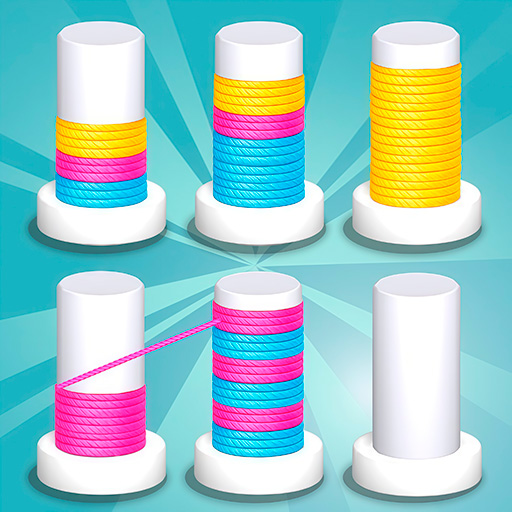
Thread Sort
You spend most of your time untangling color order on spools, but the clever hook is what happens after a clean solve: the sorted thread turns into a stitched picture. That little payoff gives each level a sense of purpose beyond clearing pegs. The puzzle itself is easy to read but not always easy to undo once you clog your empty spaces with the wrong shades. It has the same calm rhythm as liquid-sorting games, yet the sewing theme makes the whole thing feel warmer and more tactile. The visuals stay soft and cozy, and watching the final image fill in is genuinely satisfying instead of feeling like a throwaway reward. If you like low-pressure puzzle games that still punish sloppy planning, this one lands in a nice middle ground.
2048 Merge World
You’re working with a familiar 2048 setup, but this version keeps the appeal where it belongs: in the steady pressure of managing space before the board locks up. Every move matters because small mistakes linger for several turns, and a careless merge can scatter your high-value tiles into awkward positions. The fun comes from building order out of a grid that always wants to become messy. Chasing bigger numbers is satisfying, but the real challenge is keeping your layout stable while lower tiles keep appearing and clogging useful lanes. It’s easy to learn in seconds, yet it rewards patience more than speed. If you like puzzle games that feel calm on the surface but punish sloppy planning, this one delivers that classic number-merging tension without overcomplicating the formula.
Stack Tower Pro
You spend most of your time watching the edge of each block, waiting for that tiny window where a clean drop keeps the tower stable. Stack Tower Pro turns a simple idea into a steady test of timing: each placement feels easy until your rhythm slips and the whole structure starts looking dangerously uneven. The 3D presentation helps you read the stack, but it also makes small mistakes feel bigger because every offset is visible. What works here is the pacing. Rounds move quickly, so you stay in that "one more try" loop without much downtime, and chasing a taller build becomes its own little obsession. The unlockable themes give you a reason to keep going, but the real hook is improving your accuracy from drop to drop. It's a neat precision puzzler that stays focused on balance instead of overcomplicating the formula.

Magic Bottles
You spend most of your time reading the top layer of each bottle and looking two or three moves ahead, which is exactly why this color-sorting puzzler works so well. Each level starts simple, but the challenge quickly shifts from obvious pours to careful sequencing. One bad transfer can trap a color under the wrong stack and force you to untangle the whole setup. The pace stays calm, though, so it feels more like straightening out a knot than racing a timer. What makes it satisfying is the way messy arrangements slowly become clean, uniform sets through logic rather than luck. If you like puzzle games that reward patience and tidy thinking, this one has a nice rhythm. It is easy to understand in seconds, but later layouts make you earn every perfectly sorted bottle.
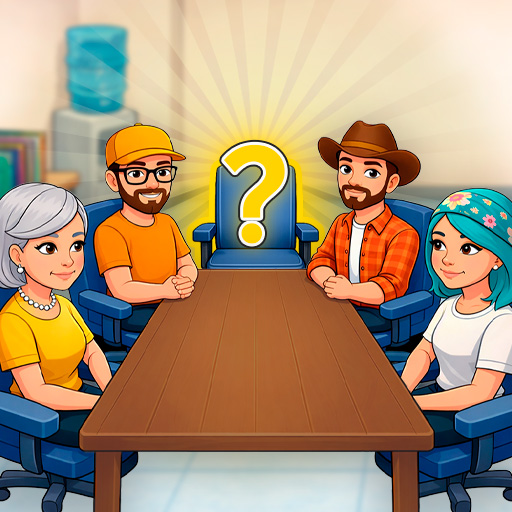
That's my seat!
You spend each round untangling a small social puzzle: who belongs in which chair, and which clue actually matters first. The hook is the seating setup itself. Instead of matching colors or clearing tiles, you're reading relationships, testing possibilities, and narrowing the board until every person lands in the only spot that fits. It has the tidy satisfaction of a logic-grid puzzle without the heavier presentation those games sometimes drag around. The best moments come when one tiny clue unlocks the whole arrangement and a messy row of guesses suddenly clicks into place. Because the goal stays focused, the pace feels calm rather than rushed, which makes it easy to play in short sessions. If you like deduction puzzles that reward careful attention more than speed, this one gives you a clean, approachable brain workout.
Yarn Fever! Unravel Puzzle
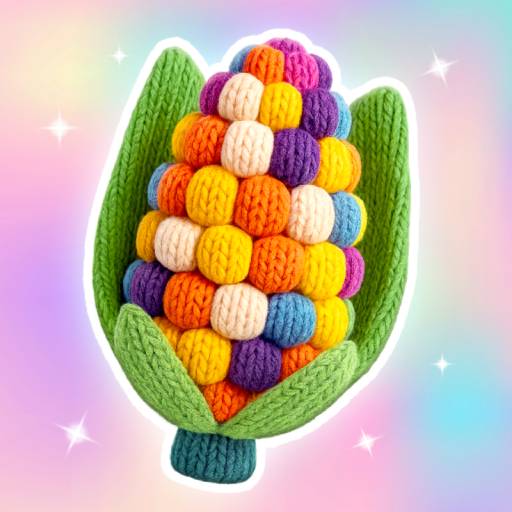
You’re not just matching colors here; you’re untangling a board that keeps tightening the more carelessly you play. Each level asks you to pull strands from knitted pieces and route them into the right containers, which turns a simple sorting idea into a light logic puzzle. The hook is the way clutter builds: one bad move can block a useful lane, while a patient sequence clears space and makes the whole board suddenly readable. Extra tools like added slots and cleanup-style helpers keep harder stages from becoming tedious, but the game works best when you rely on planning instead of rescue items. The bright fabric look and soft pacing make it easy to settle into, yet there’s enough friction in the later layouts to keep your brain engaged. It’s a calm puzzle game, but not a mindless one.
Word Search Universe 2
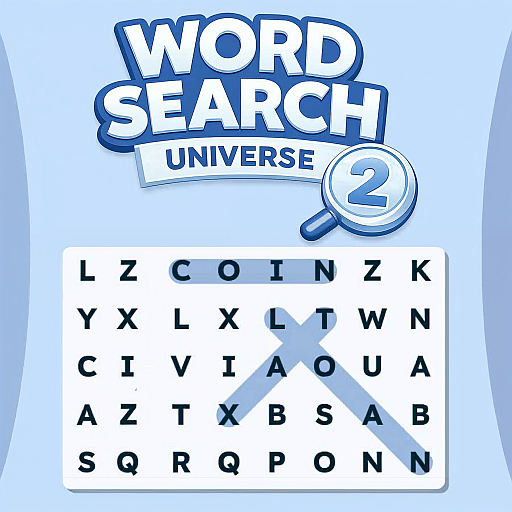
You’re scanning dense letter grids for themed words, but the hook here is how steadily the game broadens its subjects. One round has you picking out food terms in seconds; the next slows you down with history or science vocabulary that blends into the board more convincingly. That variety keeps the pace calm without making it brainless. The interface stays uncluttered, so your attention goes straight to pattern spotting and the small satisfaction of clearing a list cleanly. It’s a good puzzle game for short sessions because each board gives you a tidy objective and a clear finish, yet the rotating topics stop the routine from going stale. If you like word games that lean more on observation than trivia, this one lands nicely between relaxing and quietly demanding.