

arcade
Discover 15 games to play right in your browser — no downloads needed.

Head Ball Challenge
You’re playing short, scrappy soccer matches where timing matters more than realism. The big-headed style gives every duel a slightly chaotic feel, especially when the ball starts bouncing awkwardly near goal and both players panic. What works here is the mix of quick reflex play and petty mind games: you can rush forward, hang back for counters, or pressure mistakes in local two-player matches. Career Mode gives the game more staying power than a one-joke party match, but the immediate appeal is still same-device competition and those messy, last-second goals. It’s simple to understand, yet there’s enough room to learn angles, recover after bad touches, and punish overeager opponents. If you like sports games that lean arcade over simulation, this one is easy to keep playing because every round feels fast, silly, and just tense enough.

Flag Football Game
You’re playing a lighter, quicker version of football where space matters more than brute force. Instead of grinding out contact, the fun comes from reading the field, slipping into open lanes, and choosing the right moment to pass before a defender closes in. Matches feel snappier than a full sim, which makes each possession matter and keeps the pressure on when you fall behind. The flag-pull setup gives the game a clean, arcade rhythm: one mistake can stop a drive fast, but a smart cut or well-timed throw can flip momentum just as quickly. It works best when you treat it like a positioning game rather than a power fantasy. If you like sports games that reward awareness and quick decisions over complicated systems, this one is easy to settle into and tough to play carelessly.

Letter Boom Blast Rush
You’re not just swinging at targets here; you’re shaving letters off chunky word blocks so your runner has a clean lane to the end. That small twist gives the whole thing a nice puzzle-sports rhythm. Each shot asks you to read fast, pick the useless letters, and avoid wrecking the word in a way that leaves extra obstacles standing. The baseball setup keeps it lively, but the real hook is timing your hits under pressure while the stage keeps pushing you forward. It’s lighter and sillier than a straight word game, yet there’s enough decision-making to keep it from feeling automatic. The best moments come when you spot the solution instantly and clear a path with one neat swing. It’s simple, quick to understand, and surprisingly satisfying when your aim and word sense line up.

Idle Sprint Race 3D
You’re not simply mashing for speed here; you’re riding a thin line between acceleration and a wipeout. Each race in Idle Sprint Race 3D turns into a small rhythm test where your runner surges ahead when you push hard, but overdo it and the whole effort collapses in one awkward stumble. That risk-reward hook gives the game its personality. It feels closer to managing a sprinter’s burst than endlessly pumping out clicks, because pacing matters as much as raw input. The 3D track view keeps the action readable, and the short races make it easy to chase cleaner runs after a bad fall. There isn’t much depth beyond that central timing loop, but the loop itself is solid. If you like arcade racers with instant feedback and a little self-control baked into the challenge, this one lands its idea well.

Cool SuperCars Stunts PvP
What stands out here is the mix of showy stunt driving and local rivalry. You're not chasing realism; you're whipping a low-slung supercar around ramps, trying to keep speed through turns, land cleanly after flips, and turn messy slides into something controlled. The handling feels built for exaggeration, which suits the city stunt setup and makes near-misses more fun than frustrating. The two-player option changes the mood completely, because every jump and drift becomes a little taunt across the screen. Solo play still has value thanks to the different modes and the simple pleasure of tuning your car before heading back out. It works best when you lean into the arcade chaos instead of trying to drive neatly. If you like racing games that reward swagger as much as precision, this one has enough variety to keep short sessions lively.
Axe Throw
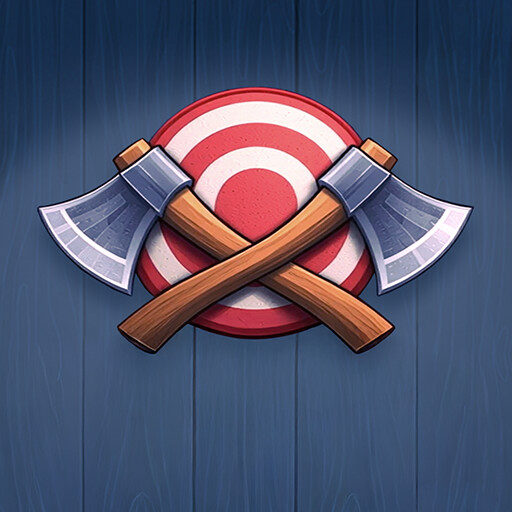
What makes this one work is how quickly it turns a simple throw into a timing puzzle. You line up each axe shot, but the target is only half the problem; moving bombs keep sliding through your path and force you to wait for a clean lane. That split-second hesitation is where most rounds are won or lost. It feels less like a power fantasy and more like a steady nerve test, because rushing usually ends with a blown attempt. The arc is easy to read, so misses feel like your mistake rather than random bad luck. That gives each successful hit a satisfying snap. As a casual browser game, it stays focused on one idea and pushes it just enough: judge the angle, watch the hazards, and commit when the opening appears.
Fox Adventure
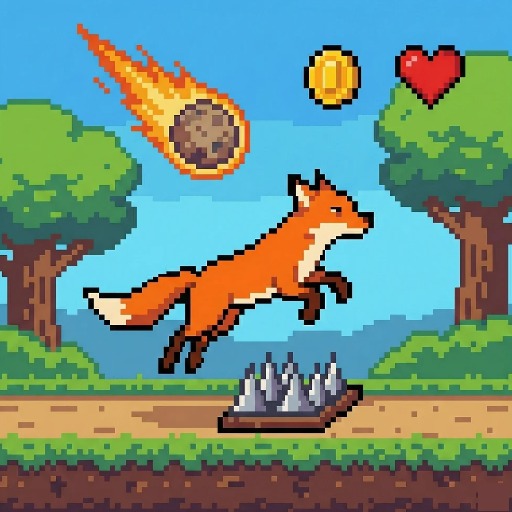
You’re sprinting through a deceptively cute pixel world where the real challenge is staying calm for one more second. The fox never gets a break: spikes wait on the ground, meteors force split-second reactions, and the run keeps asking for cleaner timing than you think. What makes it work is the mix of pressure and simplicity. You only need to focus on jumping, but the pattern of hazards keeps nudging you into rushed mistakes, especially when you spot coins and try to grab everything. The collectible costumes give the run some extra personality without distracting from the score-chasing loop. It feels closest to an old-school arcade survival test, the kind where a small improvement in rhythm suddenly doubles your run. If you like runners that are fast, readable, and built around pure reflex discipline, this one has a sharp hook.
Obby Pinata Party
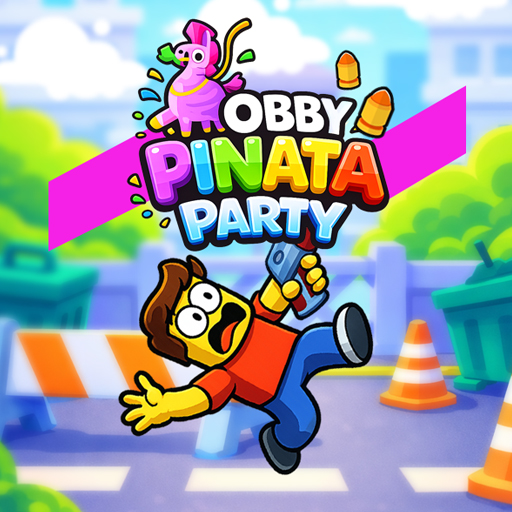
You spend most of your time here smacking pinatas for coins, then deciding whether to cash in for stronger gear or push a little farther into the next area. That simple loop gives Obby Pinata Party its hook. The obby-style look keeps things light and toy-like, but there’s a steady sense of progress as your weapons hit harder and the money starts coming in faster. It feels less like a precision platformer and more like a breezy upgrade grinder with playful targets and a clear reward cycle. What works is the pacing: early rounds move quickly, and every upgrade has an immediate effect on how fast you can tear through another batch. It’s easy to dip into for a few minutes, especially if you like watching small power boosts stack into much faster runs.

FlowBall
You’re steering a glowing ball through a narrow 3D tunnel where the challenge comes from rhythm as much as reflex. The course keeps asking for small corrections, quick lane changes, and calm timing when gaps open up under you. What makes this one work is the sense of speed: the tunnel pulls you forward hard, but the game still gives you just enough room to recover if you stay composed. Collecting light points adds a useful layer beyond simple survival, since every run feels tied to unlocking more and pushing a little farther than before. The gravity-defying sections give it a slightly disorienting edge, especially when the path tilts and the safe route stops feeling obvious. It’s a straightforward arcade loop, but the glowing visuals, constant motion, and pressure of limited lives make mistakes sting in a satisfying way.
Flick Shot Soccer
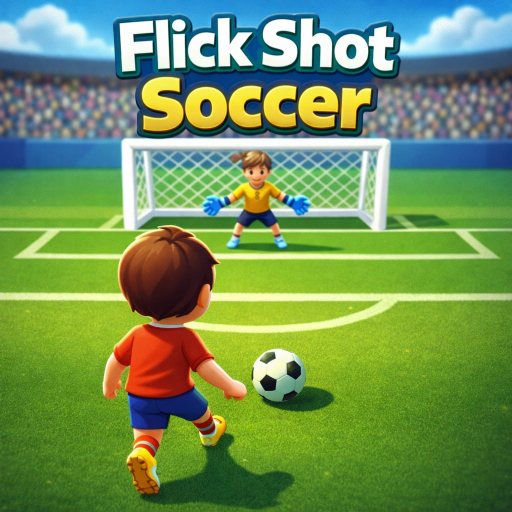
Scoring here is less about power and more about the feel of the swipe. You line up each attempt by dragging, then see whether your angle was clean enough to slip the ball inside the post and into the net. What makes it work is the constant micro-adjustment: a slightly different release, a softer touch, a smarter line toward the corner. It has a brisk arcade rhythm where retries come fast, but it still asks for focus because careless shots disappear quickly. The 3D view keeps each attempt readable, so misses usually feel like your error rather than bad luck. If you enjoy sports games that boil soccer down to one repeatable skill, this stays engaging by making small improvements noticeable. You are not managing a full match here; you are chasing that satisfying moment when the shot leaves your hand exactly right.

GT Traffic Racer
You spend most of your time threading fast cars through packed highway lanes, and that constant near-miss rhythm is what makes GT Traffic Racer work. The handling leans arcade, but there’s enough weight in the traffic flow that reckless weaving gets punished quickly. What stands out is the mix of long straight runs, nitro-assisted overtakes, and the small but useful decision of when to upgrade versus when to switch cars. The three highway backdrops help keep the repetition down, and the different modes give you a reason to approach each run a little differently instead of treating everything like a flat speed test. It’s at its best when you’re slipping past slower vehicles with barely any room, building momentum without clipping a bumper. You’re not learning a deep sim here; you’re chasing clean lines, smart boosts, and that satisfying feeling of surviving chaos at full speed.
Shape Shift
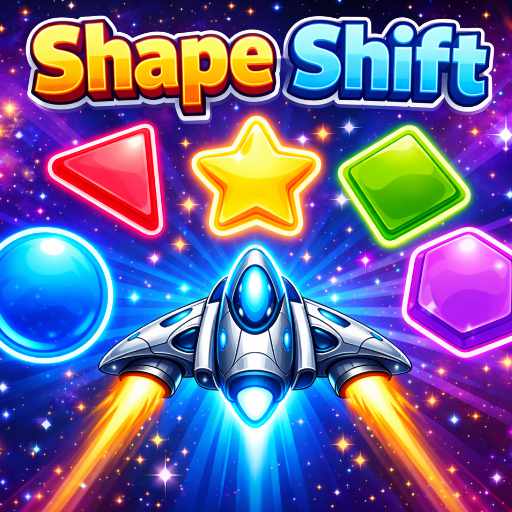
You spend most of Shape Shift scanning two things at once: the swarm of floating pieces ahead of you and the small rule change that can ruin a good run in a second. It starts simply, steering a ship through bright space and picking up matching objects, but the hook is how often the target flips between different shape-and-color combinations. That constant switch gives the game a nice twitchy tension without making it complicated. You are not memorizing patterns so much as staying mentally flexible, because the mistake is usually grabbing what was correct a moment ago. The space theme is light and colorful, and that works well for a game built around quick visual sorting. It feels closest to an arcade concentration test: short, readable, and just demanding enough to make you chase a cleaner score.

Earth Defender
You spend most of your time reading angles instead of chasing targets outright. Your ship loops around Earth while rocks close in from different sides, and the whole challenge is judging when to reverse direction so you meet each threat cleanly. That simple one-tap idea gives the game a nice arcade rhythm: short sessions, quick failures, and a constant urge to beat your last run. What makes it work is the tension between movement and timing. Turn too early and you drift out of position; wait too long and a meteor slips through. The space theme is stripped down, but it fits the gameplay well because your attention stays on the planet at the center and the dangerous gaps opening around it. If you like score-chasing games that ask for focus more than complexity, this one is easy to click with.
Archery Master - Bow and Arrow
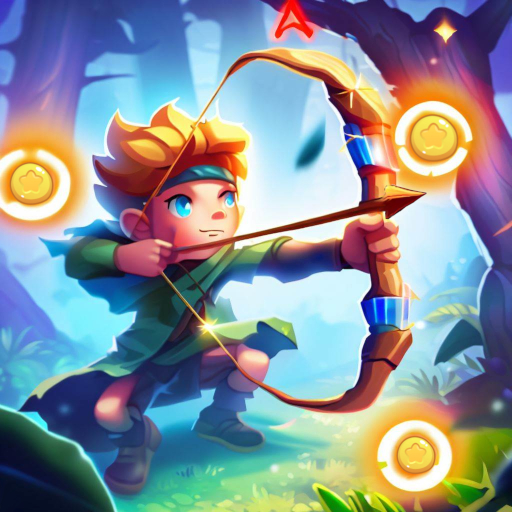
Landing clean shots matters more here than firing fast. You spend most of your time judging angle, pull strength, and the tiny pause before release, while other archers try to drop you first. That mix of target practice and duel pressure gives the game its hook: every hit feels earned, especially when you stop rushing and start reading the arc of each arrow. Coins and score give you a reason to keep going, but the real appeal is the steady improvement in your aim from round to round. It has a simple arcade structure, yet the tension comes from small corrections rather than chaos. If you like shooters that reward patience over spray-and-pray reflexes, this one lands nicely. Miss high or release too early, and you immediately feel why precision matters.
Soccer Duel
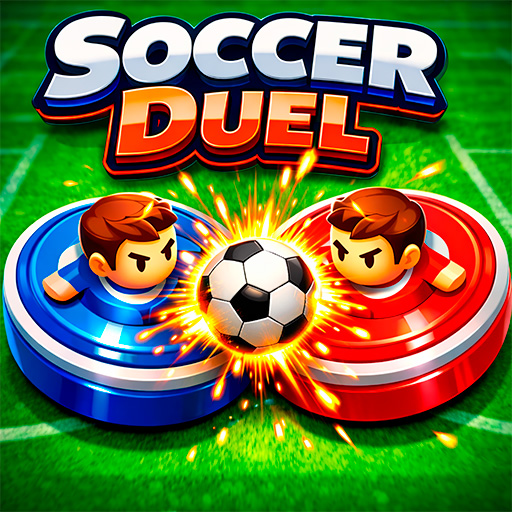
You’re not managing a full squad here; you’re locked into a compact, reactive football faceoff that feels closer to tabletop rivalry than a long-form sim. Each match is about sharp positioning, quick deflections, and reading the next bounce before your opponent does. Playing solo works as a fast arcade challenge, but the real appeal is how instantly competitive it becomes with two players sharing a device or meeting online. The controls are simple enough for younger players, yet the timing still matters when the field gets crowded near goal. What stands out is the pace: rounds stay brisk, mistakes turn into scores fast, and every little scramble in front of the net feels tense. It’s a light, accessible football game, but one with enough back-and-forth chaos to keep rematches coming.