

Moto Bike Extreme Hill Stunts
Syncing
Restoring your latest save before the game starts.
Sign in to sync your progress across sessions and devices.
About Moto Bike Extreme Hill Stunts
Sharp bike physics and unforgiving hills make every clean landing feel better than the last.
You spend most of your time managing the bike’s balance, not just holding the throttle, and that is what gives this hill stunt racer some bite. The courses lean hard on steep climbs, awkward landings, and jumps that punish sloppy timing, so every clean run feels earned. You will be popping into flips for extra style, then immediately correcting the front wheel so you do not slam into the next ramp. The mountain and platform-heavy layouts keep the action moving, but the real hook is the way the physics force you to respect momentum. Push too hard and you overshoot. Hesitate and you lose the hill. It is at its best when a track looks simple, then turns into a chain of precise takeoffs and sketchy recoveries. If you like bike games that reward control over chaos, this one lands well.
Strengths
- demanding hill track design
- satisfying bike balance physics
- meaningful stunt risk-reward
Trade-offs
- punishing bad landings
- limited appeal for casual play
- speed can feel deceptive
Best forPlayers who enjoy physics-based bike games where balance, timing, and recovery matter more than pure speed.
Instant Play
No install needed
Cross-Platform
Desktop & mobile
Safe & Curated
Verified source
How to Play
Use the arrow keys to accelerate, brake, and control flips, with space for bigger jumps. As a beginner tip, focus on landing both wheels smoothly before worrying about tricks. For strategy, use flips to manage your bike’s angle in the air so you meet slopes cleanly. Avoid holding full speed into every hill, because bad momentum usually sends you into a crash or a useless overshoot.
You Might Like
More in Sports

Head Ball Challenge
You’re playing short, scrappy soccer matches where timing matters more than realism. The big-headed style gives every duel a slightly chaotic feel, especially when the ball starts bouncing awkwardly near goal and both players panic. What works here is the mix of quick reflex play and petty mind games: you can rush forward, hang back for counters, or pressure mistakes in local two-player matches. Career Mode gives the game more staying power than a one-joke party match, but the immediate appeal is still same-device competition and those messy, last-second goals. It’s simple to understand, yet there’s enough room to learn angles, recover after bad touches, and punish overeager opponents. If you like sports games that lean arcade over simulation, this one is easy to keep playing because every round feels fast, silly, and just tense enough.

Head Basketball Arena
You’re playing a stripped-down one-on-one basketball match where oversized characters turn every possession into a small, chaotic duel. What stands out here is how much you can tune before tipoff: character look, court setup, weather, AI level, and match length all let you shape whether the game feels casual or stubbornly competitive. Once the ball is live, it’s less about sim realism and more about timing your jumps, contesting shots, and using your body well in tight space. The exaggerated player size makes rebounds and loose balls feel scrappy in a good way, and matches move fast enough that one mistake can swing the score. It works best as a light arcade sports game, especially if you enjoy tweaking settings and immediately running another round to see if a shorter match or tougher opponent changes the rhythm.

Flag Football Game
You’re playing a lighter, quicker version of football where space matters more than brute force. Instead of grinding out contact, the fun comes from reading the field, slipping into open lanes, and choosing the right moment to pass before a defender closes in. Matches feel snappier than a full sim, which makes each possession matter and keeps the pressure on when you fall behind. The flag-pull setup gives the game a clean, arcade rhythm: one mistake can stop a drive fast, but a smart cut or well-timed throw can flip momentum just as quickly. It works best when you treat it like a positioning game rather than a power fantasy. If you like sports games that reward awareness and quick decisions over complicated systems, this one is easy to settle into and tough to play carelessly.

Letter Boom Blast Rush
You’re not just swinging at targets here; you’re shaving letters off chunky word blocks so your runner has a clean lane to the end. That small twist gives the whole thing a nice puzzle-sports rhythm. Each shot asks you to read fast, pick the useless letters, and avoid wrecking the word in a way that leaves extra obstacles standing. The baseball setup keeps it lively, but the real hook is timing your hits under pressure while the stage keeps pushing you forward. It’s lighter and sillier than a straight word game, yet there’s enough decision-making to keep it from feeling automatic. The best moments come when you spot the solution instantly and clear a path with one neat swing. It’s simple, quick to understand, and surprisingly satisfying when your aim and word sense line up.

Archery Master Bow and Arrow
You’re working with a simple target-shooting setup here: a bow, a small supply of arrows, and the pressure to make each shot count. That limited-arrow structure gives the game more tension than the usual casual sports clicker, because a bad release doesn’t just hurt your score, it wastes one of your chances to recover. The main appeal is chasing a cleaner round each time, learning how long to draw, watching your aim settle, and trying not to rush the release when the target looks easy. It’s light, direct, and built around repetition in a good way, with quick sessions that make retrying feel natural instead of tiring. There isn’t much extra decoration around the core idea, but that also keeps the focus where it should be: judging angle, timing your shot, and squeezing the most points possible out of a short run.

Idle Sprint Race 3D
You’re not simply mashing for speed here; you’re riding a thin line between acceleration and a wipeout. Each race in Idle Sprint Race 3D turns into a small rhythm test where your runner surges ahead when you push hard, but overdo it and the whole effort collapses in one awkward stumble. That risk-reward hook gives the game its personality. It feels closer to managing a sprinter’s burst than endlessly pumping out clicks, because pacing matters as much as raw input. The 3D track view keeps the action readable, and the short races make it easy to chase cleaner runs after a bad fall. There isn’t much depth beyond that central timing loop, but the loop itself is solid. If you like arcade racers with instant feedback and a little self-control baked into the challenge, this one lands its idea well.

Punch Champions
You work through a straight ladder of boxers, and the appeal is in reading each fight’s rhythm rather than wildly throwing punches. Punch Champions keeps things simple on the surface, but it pushes you to notice when an opponent is open, when they’re baiting you, and when a quick dodge matters more than one extra swing. The roster of eight challengers gives the game a clean arcade structure, so every bout feels like a step toward the belt instead of a random exhibition. What stands out is the pace: short exchanges, sudden momentum shifts, and constant pressure to balance offense with survival. If you play recklessly, you get punished fast. If you stay patient, mix your shots, and wait for mistakes, the matches become much more satisfying. It’s a lean boxing game that understands timing better than spectacle.
Flick Shot Soccer
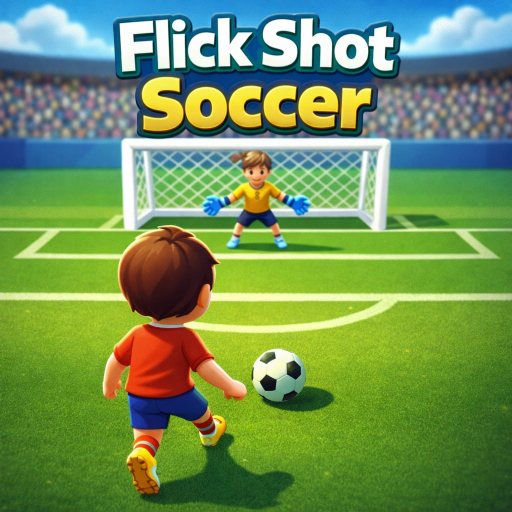
Scoring here is less about power and more about the feel of the swipe. You line up each attempt by dragging, then see whether your angle was clean enough to slip the ball inside the post and into the net. What makes it work is the constant micro-adjustment: a slightly different release, a softer touch, a smarter line toward the corner. It has a brisk arcade rhythm where retries come fast, but it still asks for focus because careless shots disappear quickly. The 3D view keeps each attempt readable, so misses usually feel like your error rather than bad luck. If you enjoy sports games that boil soccer down to one repeatable skill, this stays engaging by making small improvements noticeable. You are not managing a full match here; you are chasing that satisfying moment when the shot leaves your hand exactly right.