

Syncing
Restoring your latest save before the game starts.
Sign in to sync your progress across sessions and devices.
About Wacky Strike
Messy, fast lane-control strategy that works best when you stop rushing and start managing momentum.
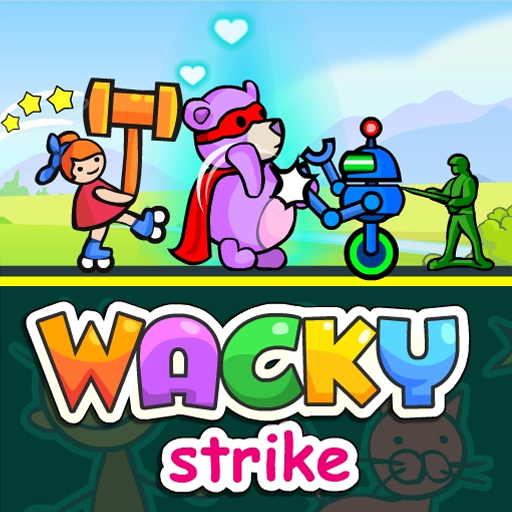
You’re picking a side, building up your lane, and trying to shove the front line all the way back to the opposing castle. Wacky Strike plays like a light strategy tug-of-war: towers and unit choices matter because every bad purchase slows your push and leaves your own base exposed. The cartoon setup is silly, but the actual rhythm is about timing reinforcements, claiming ground, and knowing when to spend on offense versus fortifying what you already hold. What makes it work is the constant pressure across the map. You’re not just waiting for a big army to form; you’re reacting to momentum swings and trying to stop one mistake from turning into a full collapse. It’s straightforward enough to grasp quickly, but there’s still some satisfaction in stabilizing a shaky lane and turning it into a decisive march on the enemy stronghold.
Strengths
- constant frontline pressure
- clear push-and-hold pacing
- fun cartoon rivalry
Trade-offs
- thin theme setup
- limited tactical depth
- power-ups can feel swingy
Best forPlayers who like simple strategy games built around map control, steady upgrades, and back-and-forth castle pressure.
Instant Play
No install needed
Cross-Platform
Desktop & mobile
Safe & Curated
Verified source
How to Play
Choose a side, place units and structures, and push from your castle toward the enemy base while holding the ground between you. Beginner tip: start with steady troop production before spending on flashy power-ups. Strategic tip: reinforce areas you already control so your advance doesn’t stall out. Avoid dumping all your resources into one big wave too early, because a weak defense can unravel fast.
You Might Like
More in Strategy
Noob Village Tower Defense
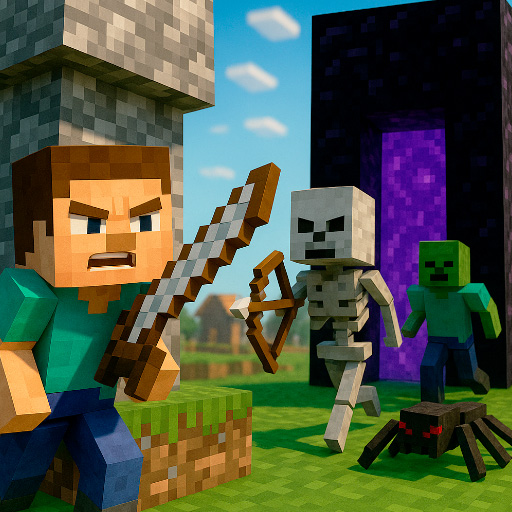
You’re not placing a maze of automated towers here; you’re personally aiming the village cannon and making every shot count. That changes the whole rhythm. Each wave feels more hands-on because success depends on judging arc, timing, and target priority instead of just spending resources and watching the defense work. The blocky noob-village setup gives it a light, goofy look, but the pressure is real once enemies start stacking near your walls. What works well is the balance between quick action and gradual improvement: you defend, upgrade, and try to keep the settlement stable for the next push. Miss too many shots and small mistakes snowball fast. It’s a simple idea, but the manual firing makes it much tenser than a standard tower defense, especially if you like games where accuracy matters as much as planning.
Ultimate Tower Defense
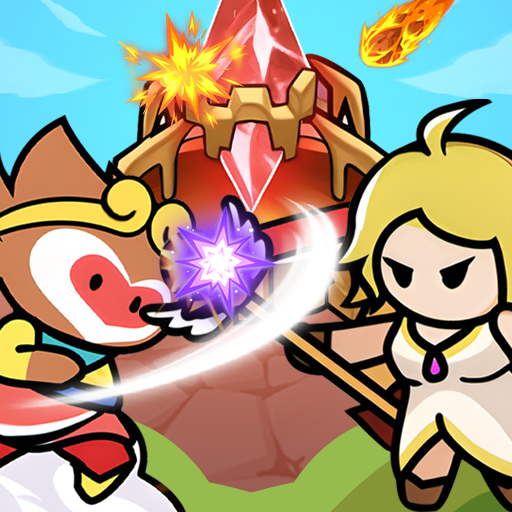
You’re juggling two pressures at once here: building a sturdy defensive line and deciding when a hero is worth more than another tower upgrade. Ultimate Tower Defense leans into that push-pull, so each wave feels less like passive waiting and more like a series of small, urgent corrections. Towers seem built around distinct attack roles rather than brute force alone, which gives placement real weight. A bad lane setup quickly turns into a leak, while a smart mix can hold longer than expected. The extra mode selection helps the game avoid feeling like one endless grind, and the faster pace keeps you focused on immediate battlefield problems instead of long-term empire building. It’s a straightforward strategy game, but the hero layer gives it a more active rhythm than many browser tower defense games, especially when you’re trying to patch weak spots before the next rush lands.