
Mobile
Discover 18 games to play right in your browser — no downloads needed.

Archery Master Bow and Arrow
You’re working with a simple target-shooting setup here: a bow, a small supply of arrows, and the pressure to make each shot count. That limited-arrow structure gives the game more tension than the usual casual sports clicker, because a bad release doesn’t just hurt your score, it wastes one of your chances to recover. The main appeal is chasing a cleaner round each time, learning how long to draw, watching your aim settle, and trying not to rush the release when the target looks easy. It’s light, direct, and built around repetition in a good way, with quick sessions that make retrying feel natural instead of tiring. There isn’t much extra decoration around the core idea, but that also keeps the focus where it should be: judging angle, timing your shot, and squeezing the most points possible out of a short run.

Punch Champions
You work through a straight ladder of boxers, and the appeal is in reading each fight’s rhythm rather than wildly throwing punches. Punch Champions keeps things simple on the surface, but it pushes you to notice when an opponent is open, when they’re baiting you, and when a quick dodge matters more than one extra swing. The roster of eight challengers gives the game a clean arcade structure, so every bout feels like a step toward the belt instead of a random exhibition. What stands out is the pace: short exchanges, sudden momentum shifts, and constant pressure to balance offense with survival. If you play recklessly, you get punished fast. If you stay patient, mix your shots, and wait for mistakes, the matches become much more satisfying. It’s a lean boxing game that understands timing better than spectacle.

Color Jam 3D
You’re not lining up gems here; you’re managing a stream of crayons and trying not to clog your own workspace. Each move sends a crayon into a limited set of slots, and the real trick is deciding which colors to release first so you can clear triples and gradually complete the picture. That small bit of traffic management gives the puzzle its bite. Blocked crayons add just enough friction to keep you from playing on autopilot, because freeing the right piece can open the whole board. The coloring theme also helps the game stand out from a standard match-3 clone. Watching an image fill in as you solve makes every clean sequence feel more satisfying than a plain score chase. It stays relaxed, but there’s a steady undercurrent of planning that keeps later stages from turning mindless.
Thread Sort
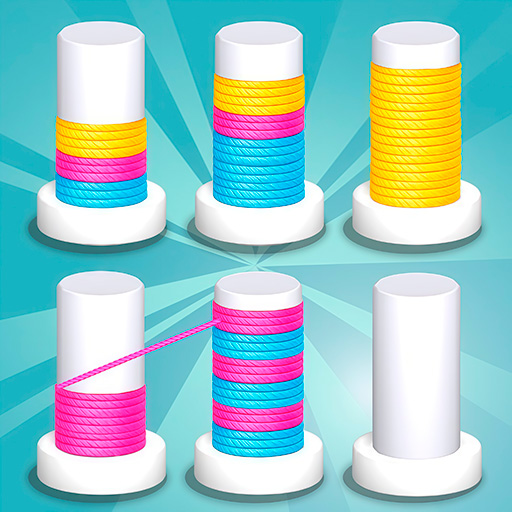
You spend most of your time untangling color order on spools, but the clever hook is what happens after a clean solve: the sorted thread turns into a stitched picture. That little payoff gives each level a sense of purpose beyond clearing pegs. The puzzle itself is easy to read but not always easy to undo once you clog your empty spaces with the wrong shades. It has the same calm rhythm as liquid-sorting games, yet the sewing theme makes the whole thing feel warmer and more tactile. The visuals stay soft and cozy, and watching the final image fill in is genuinely satisfying instead of feeling like a throwaway reward. If you like low-pressure puzzle games that still punish sloppy planning, this one lands in a nice middle ground.
My Cake Shop: Bake & Serve
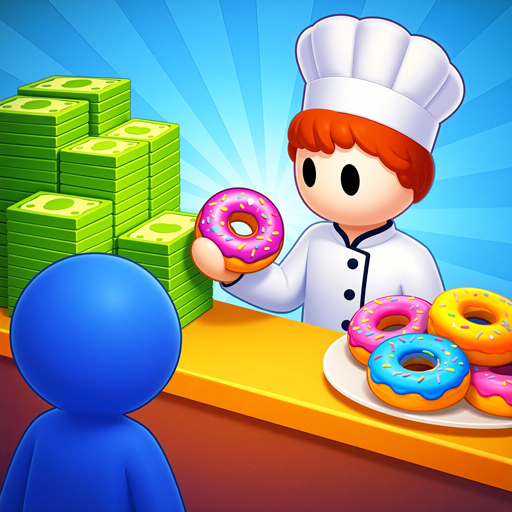
You spend most of your time hustling between stations, grabbing fresh pastries, tidying spills, and keeping the line from turning into a traffic jam. What makes this bakery sim work is the constant push-pull between quick chores and longer-term upgrades. One moment you're stocking sweets for impatient customers, the next you're deciding whether a better machine or a new location will save more time. The idle tycoon framing keeps progress moving, but it still feels hands-on because the floor gets messy fast and every delay ripples through the shop. My Cake Shop: Bake & Serve leans more arcade than deep management, which suits its breezy pace. It's easy to read, easy to settle into, and surprisingly good at making small efficiency gains feel satisfying when your once-chaotic counter finally starts flowing smoothly.

Cunning Ginger
You’re guiding a sharp little ginger cat through a simple but surprisingly tense catching game where greed gets punished fast. Food drops in among hazards, so every move is a quick choice between grabbing one more snack or sliding out of danger. What makes it work is the rhythm: a few easy catches lull you in, then the screen gets busy enough that you start reading patterns instead of reacting blindly. The travel theme gives the run a light, playful tone, but the real hook is that constant balance between feeding Ginger and keeping him safe. It feels closer to an old-school reflex score chase than a pure kids game, because hesitation and overcommitting both cost you. If you like casual arcade games with a cute surface and a mildly stressful core, this one stays engaging longer than you’d expect.

That's my seat!
You spend each round untangling a small social puzzle: who belongs in which chair, and which clue actually matters first. The hook is the seating setup itself. Instead of matching colors or clearing tiles, you're reading relationships, testing possibilities, and narrowing the board until every person lands in the only spot that fits. It has the tidy satisfaction of a logic-grid puzzle without the heavier presentation those games sometimes drag around. The best moments come when one tiny clue unlocks the whole arrangement and a messy row of guesses suddenly clicks into place. Because the goal stays focused, the pace feels calm rather than rushed, which makes it easy to play in short sessions. If you like deduction puzzles that reward careful attention more than speed, this one gives you a clean, approachable brain workout.

Yarn Fever! Unravel Puzzle
You’re not just matching colors here; you’re untangling a board that keeps tightening the more carelessly you play. Each level asks you to pull strands from knitted pieces and route them into the right containers, which turns a simple sorting idea into a light logic puzzle. The hook is the way clutter builds: one bad move can block a useful lane, while a patient sequence clears space and makes the whole board suddenly readable. Extra tools like added slots and cleanup-style helpers keep harder stages from becoming tedious, but the game works best when you rely on planning instead of rescue items. The bright fabric look and soft pacing make it easy to settle into, yet there’s enough friction in the later layouts to keep your brain engaged. It’s a calm puzzle game, but not a mindless one.
Obby Pinata Party
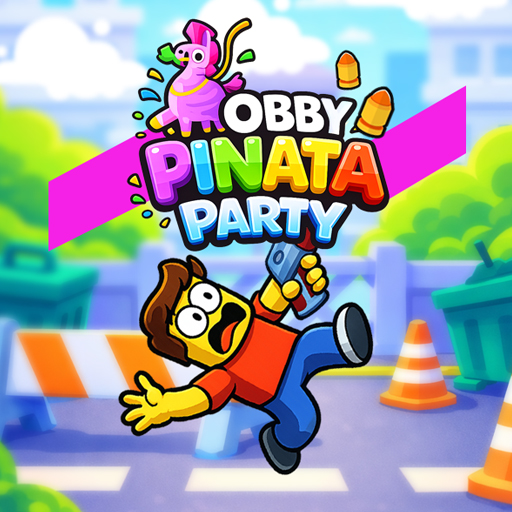
You spend most of your time here smacking pinatas for coins, then deciding whether to cash in for stronger gear or push a little farther into the next area. That simple loop gives Obby Pinata Party its hook. The obby-style look keeps things light and toy-like, but there’s a steady sense of progress as your weapons hit harder and the money starts coming in faster. It feels less like a precision platformer and more like a breezy upgrade grinder with playful targets and a clear reward cycle. What works is the pacing: early rounds move quickly, and every upgrade has an immediate effect on how fast you can tear through another batch. It’s easy to dip into for a few minutes, especially if you like watching small power boosts stack into much faster runs.
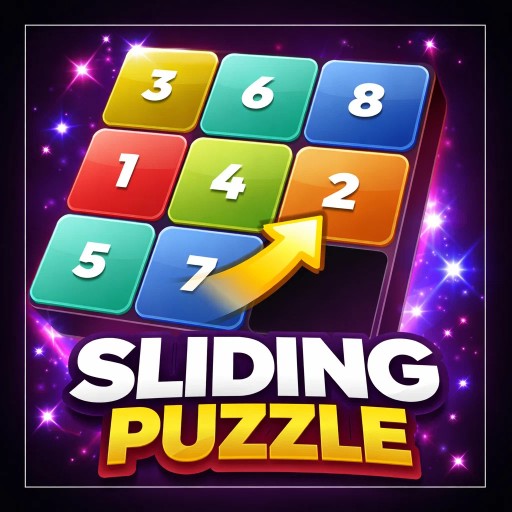
Sliding Puzzle
You’re not racing a clock here so much as untangling your own mistakes, and that’s what makes this sliding number puzzle so absorbing. Each board asks you to rebuild numerical order by shifting tiles through a single open space, starting simple on smaller grids before the larger layouts create real traffic jams. The jump from 3x3 to 4x4 and 5x5 matters; bigger boards turn a familiar brain teaser into something more methodical, where one careless move can scatter a nearly solved corner. The clean presentation helps you stay focused, and the optional auto-solve is useful when you want to study the logic instead of brute-forcing it. This version works best as a steady, thoughtful puzzle game: less about flashy pressure, more about spotting patterns, protecting finished rows, and enjoying that moment when the last few tiles finally click into place.
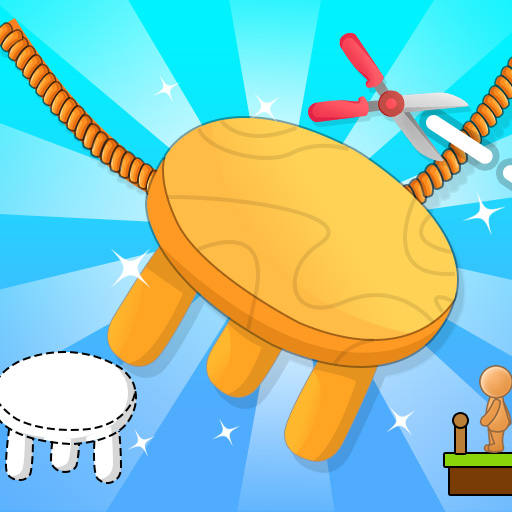
Seat Puzzle Cut The Rope
You’re sorting out a surprisingly tidy little logic puzzle where every move has to respect color matching and rope order. Each stage gives you a cluster of tied-up seats and waiting passengers, and the challenge is figuring out which rope to cut first so the right people end up in the right places. It’s less about speed than reading the setup cleanly before you create a mess for yourself. What works here is the clear cause-and-effect: one cut opens space, another blocks a route, and a bad choice can leave the whole arrangement awkwardly jammed. The theme is simple, but it gives the puzzles a physical feel that makes the solutions satisfying. It’s a lightweight brain teaser, yet the better levels make you pause, scan the colors, and think two or three steps ahead instead of just snipping at random.

Hero Match
Instead of treating every board like a color-sorting exercise, you’re juggling puzzle efficiency with a light superhero rescue fantasy. Matches feel tied to forward progress because each cleared set helps push back a cartoonish villain and rebuild famous spots that have clearly taken a beating. That gives the game a satisfying sense of movement, even when the mechanics stay comfortably familiar. The superhero theme keeps the tone bright and breezy rather than overly dramatic, and the restoration angle adds a simple reward loop beyond just chasing high scores. You’ll spend most of your time scanning for cascades and better follow-up moves, not just grabbing the first obvious trio. It’s approachable, but there’s enough structure to make careless play feel wasteful. If you like match-3 games with a bit of world-saving flavor and visible payoffs, this one lands nicely.

Ayla World Princess life
You’re here to fuss over the fun details: picking outfits, matching accessories, and giving your princess look a polished finish with manicure options that feel like part of the same makeover instead of a separate mini-game. The appeal is less about challenge and more about playing stylist at your own pace, trying combinations until something clicks. Because the theme leans fully into royal fashion, the most satisfying moments come from coordinating color, hair, and nail choices into one complete look rather than swapping random pieces. It’s light, playful, and clearly aimed at players who enjoy experimenting without pressure or timers. If you like dress-up games that keep the focus on cute customization and easy, relaxed decisions, this one delivers a soft, princess-centered loop that works well in short sessions.

Earth Defender
You spend most of your time reading angles instead of chasing targets outright. Your ship loops around Earth while rocks close in from different sides, and the whole challenge is judging when to reverse direction so you meet each threat cleanly. That simple one-tap idea gives the game a nice arcade rhythm: short sessions, quick failures, and a constant urge to beat your last run. What makes it work is the tension between movement and timing. Turn too early and you drift out of position; wait too long and a meteor slips through. The space theme is stripped down, but it fits the gameplay well because your attention stays on the planet at the center and the dangerous gaps opening around it. If you like score-chasing games that ask for focus more than complexity, this one is easy to click with.
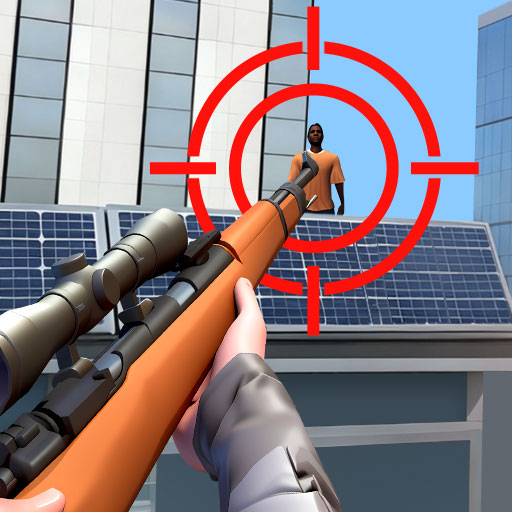
Mafia Sniper Crime Shooting
You spend most of your time lining up careful shots from a fixed vantage point, picking out mob targets before the scene gets too crowded or chaotic. The appeal here is the stop-and-shoot rhythm: pause, scan the street, confirm the mark, then commit. Because it leans on clean target-taking rather than gore or heavy realism, the focus stays on timing and accuracy instead of shock value. That makes each mission feel more like a test of observation than a pure reflex challenge. The mafia theme gives it a pulpy crime-movie flavor, but the actual play is simple and readable, which suits shorter sessions. If you like sniper games that keep the pressure manageable and let you enjoy the satisfaction of a well-placed shot, this one delivers a straightforward arcade version of that fantasy without bogging you down in clutter.

Archery Master - Bow and Arrow
Landing clean shots matters more here than firing fast. You spend most of your time judging angle, pull strength, and the tiny pause before release, while other archers try to drop you first. That mix of target practice and duel pressure gives the game its hook: every hit feels earned, especially when you stop rushing and start reading the arc of each arrow. Coins and score give you a reason to keep going, but the real appeal is the steady improvement in your aim from round to round. It has a simple arcade structure, yet the tension comes from small corrections rather than chaos. If you like shooters that reward patience over spray-and-pray reflexes, this one lands nicely. Miss high or release too early, and you immediately feel why precision matters.
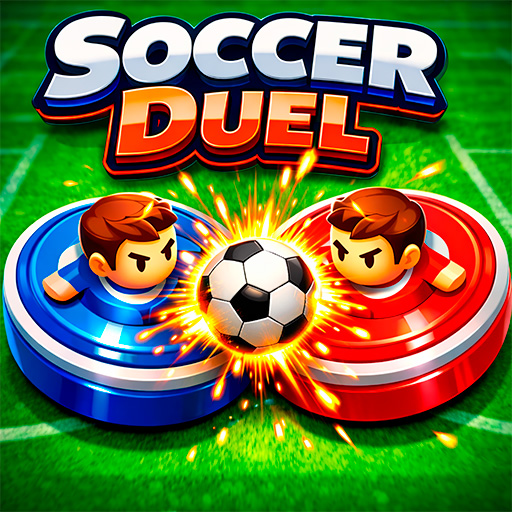
Soccer Duel
You’re not managing a full squad here; you’re locked into a compact, reactive football faceoff that feels closer to tabletop rivalry than a long-form sim. Each match is about sharp positioning, quick deflections, and reading the next bounce before your opponent does. Playing solo works as a fast arcade challenge, but the real appeal is how instantly competitive it becomes with two players sharing a device or meeting online. The controls are simple enough for younger players, yet the timing still matters when the field gets crowded near goal. What stands out is the pace: rounds stay brisk, mistakes turn into scores fast, and every little scramble in front of the net feels tense. It’s a light, accessible football game, but one with enough back-and-forth chaos to keep rematches coming.
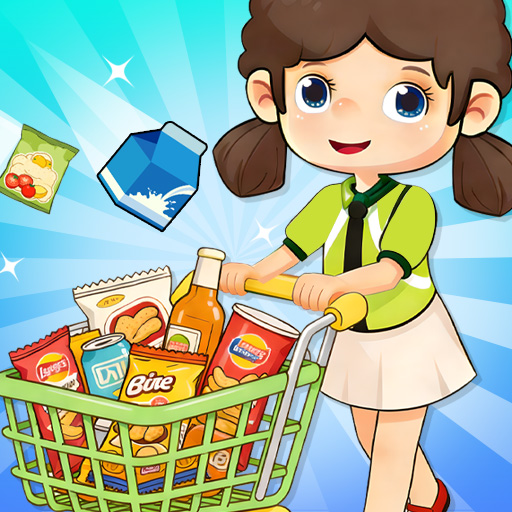
Goods Sorting Shopping Master
What looks like a tidy supermarket puzzler turns into a smart exercise in restraint once your tray starts filling up. You pick visible items from crowded shelves and try to make sets of three, but the real challenge is deciding which product to expose next. Every can, bottle, or box you take changes the board, opening better matches or clogging your limited holding space with awkward leftovers. Because the items are everyday groceries instead of abstract icons, you can actually track where likely pairs are hiding and build small plans around them. The satisfying moments come when one careful pick unlocks a chain of clean clears across a whole row. It stays calm, but it never plays itself. If you keep tapping whatever is closest, the tray becomes a mess fast. This is a relaxed puzzle on the surface, with a surprisingly strict lesson about sequencing underneath.