
All Games
Discover 109 games to play right in your browser — no downloads needed.
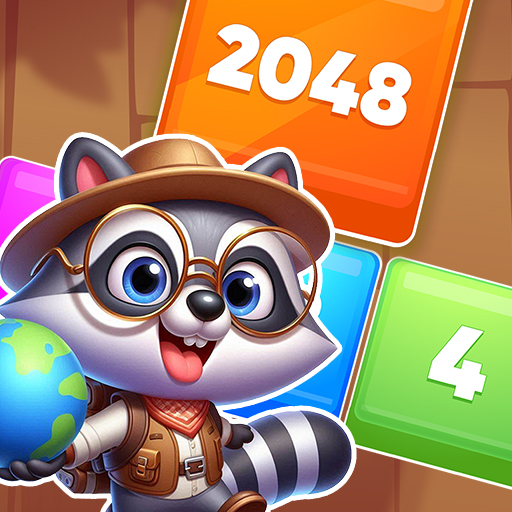
2048 Merge World
You’re working with a familiar 2048 setup, but this version keeps the appeal where it belongs: in the steady pressure of managing space before the board locks up. Every move matters because small mistakes linger for several turns, and a careless merge can scatter your high-value tiles into awkward positions. The fun comes from building order out of a grid that always wants to become messy. Chasing bigger numbers is satisfying, but the real challenge is keeping your layout stable while lower tiles keep appearing and clogging useful lanes. It’s easy to learn in seconds, yet it rewards patience more than speed. If you like puzzle games that feel calm on the surface but punish sloppy planning, this one delivers that classic number-merging tension without overcomplicating the formula.
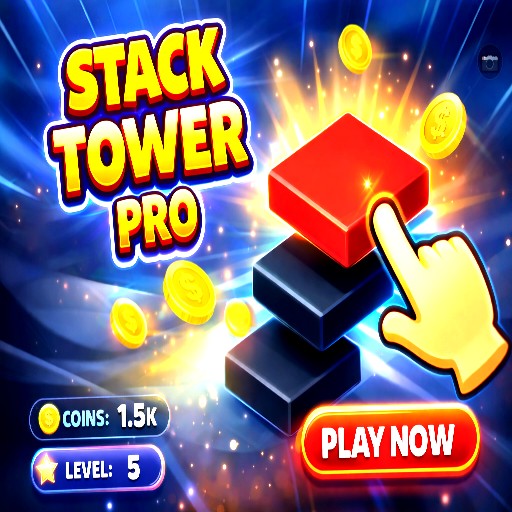
Stack Tower Pro
You spend most of your time watching the edge of each block, waiting for that tiny window where a clean drop keeps the tower stable. Stack Tower Pro turns a simple idea into a steady test of timing: each placement feels easy until your rhythm slips and the whole structure starts looking dangerously uneven. The 3D presentation helps you read the stack, but it also makes small mistakes feel bigger because every offset is visible. What works here is the pacing. Rounds move quickly, so you stay in that "one more try" loop without much downtime, and chasing a taller build becomes its own little obsession. The unlockable themes give you a reason to keep going, but the real hook is improving your accuracy from drop to drop. It's a neat precision puzzler that stays focused on balance instead of overcomplicating the formula.
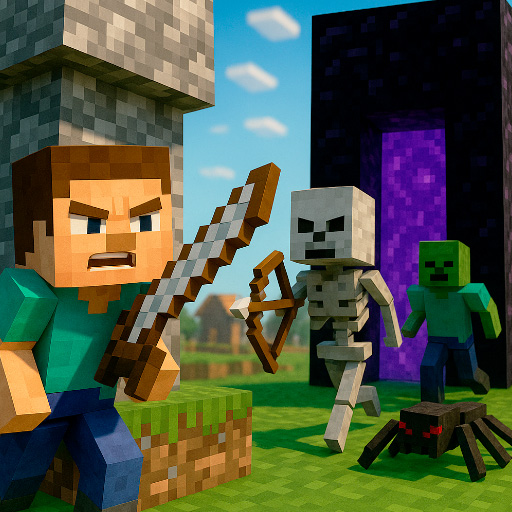
Noob Village Tower Defense
You’re not placing a maze of automated towers here; you’re personally aiming the village cannon and making every shot count. That changes the whole rhythm. Each wave feels more hands-on because success depends on judging arc, timing, and target priority instead of just spending resources and watching the defense work. The blocky noob-village setup gives it a light, goofy look, but the pressure is real once enemies start stacking near your walls. What works well is the balance between quick action and gradual improvement: you defend, upgrade, and try to keep the settlement stable for the next push. Miss too many shots and small mistakes snowball fast. It’s a simple idea, but the manual firing makes it much tenser than a standard tower defense, especially if you like games where accuracy matters as much as planning.
Axe Throw
What makes this one work is how quickly it turns a simple throw into a timing puzzle. You line up each axe shot, but the target is only half the problem; moving bombs keep sliding through your path and force you to wait for a clean lane. That split-second hesitation is where most rounds are won or lost. It feels less like a power fantasy and more like a steady nerve test, because rushing usually ends with a blown attempt. The arc is easy to read, so misses feel like your mistake rather than random bad luck. That gives each successful hit a satisfying snap. As a casual browser game, it stays focused on one idea and pushes it just enough: judge the angle, watch the hazards, and commit when the opening appears.
Rich Choice Run
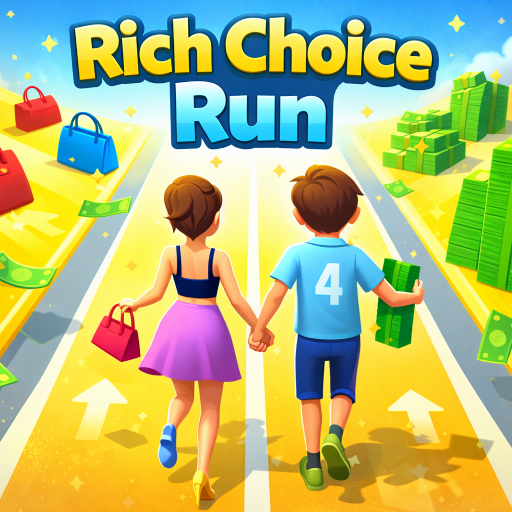
Success here comes from reading each lane a second before you reach it. You're steering through a glossy runner where money, status, and relationship picks all feed into the lifestyle you're building, so every collectible feels like a vote for your final outcome. The joke is how openly shallow it is: you chase luxury, dodge cheap setbacks, and watch your value rise or fall in plain view. That gives the run a sharper identity than a generic lane dodger, because you're not only avoiding trouble, you're curating an image. It still plays fast, but the better runs come from committing to a path early instead of twitching after every item. Short rounds and immediate feedback make failures easy to read, and the theme is silly enough to stay amusing without needing much depth. It's simple, but it knows exactly what kind of nonsense it wants to be.
Block Sniper
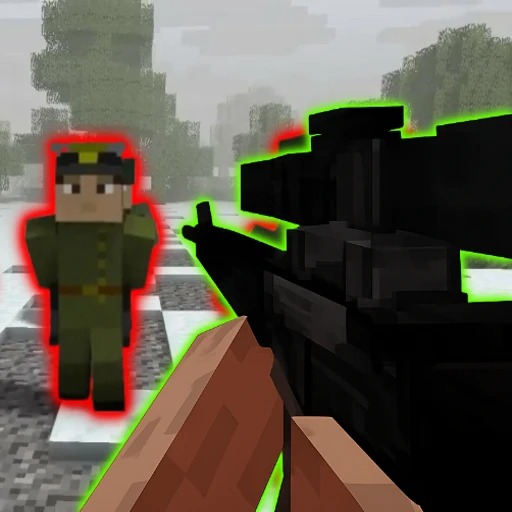
You spend most of your time lining up careful shots instead of spraying bullets, and that slower pace gives Block Sniper its personality. Each mission drops you into a chunky, pixel-styled battlefield with a clear objective, then asks you to read the area before taking the shot that matters. The blocky look keeps things readable at a distance, which suits a sniper game better than you might expect. Movement matters too, since you are not glued to one perch and can reposition when a lane feels too exposed. What works here is the straightforward mission structure: you enter, assess, pick targets, and try not to waste attempts by firing too early. It is a simple setup, but the mix of aiming, timing, and light movement gives the action enough tension to feel satisfying without turning into a full-on military sim.

Cunning Ginger
You’re guiding a sharp little ginger cat through a simple but surprisingly tense catching game where greed gets punished fast. Food drops in among hazards, so every move is a quick choice between grabbing one more snack or sliding out of danger. What makes it work is the rhythm: a few easy catches lull you in, then the screen gets busy enough that you start reading patterns instead of reacting blindly. The travel theme gives the run a light, playful tone, but the real hook is that constant balance between feeding Ginger and keeping him safe. It feels closer to an old-school reflex score chase than a pure kids game, because hesitation and overcommitting both cost you. If you like casual arcade games with a cute surface and a mildly stressful core, this one stays engaging longer than you’d expect.
Zindex
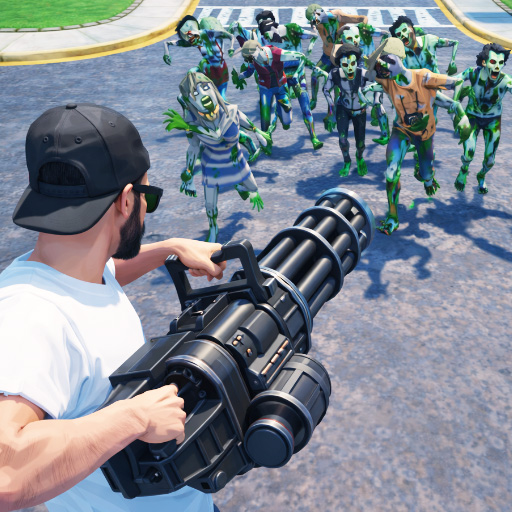
You’re dropped into a dead city with one practical objective: stay alive long enough to get a radio tower working. What makes Zindex stand out is the mix of close-quarters panic and slow, methodical scavenging. One minute you’re checking houses and storage spots for scrap, ammo, or usable gear; the next you’re forced into a messy fight because a small zombie problem turned into a hallway jam. The crafting adds useful tension since every supply run feels like a risk-reward decision, not busywork. Firearms help, but they don’t erase the pressure, and melee has enough weight to make bad positioning feel costly. The 3D spaces also give the game a more grounded survival feel than a typical top-down zombie shooter. It’s lean, hostile, and at its best when you’re deciding whether one more room is worth it.

Fox Adventure
You’re sprinting through a deceptively cute pixel world where the real challenge is staying calm for one more second. The fox never gets a break: spikes wait on the ground, meteors force split-second reactions, and the run keeps asking for cleaner timing than you think. What makes it work is the mix of pressure and simplicity. You only need to focus on jumping, but the pattern of hazards keeps nudging you into rushed mistakes, especially when you spot coins and try to grab everything. The collectible costumes give the run some extra personality without distracting from the score-chasing loop. It feels closest to an old-school arcade survival test, the kind where a small improvement in rhythm suddenly doubles your run. If you like runners that are fast, readable, and built around pure reflex discipline, this one has a sharp hook.
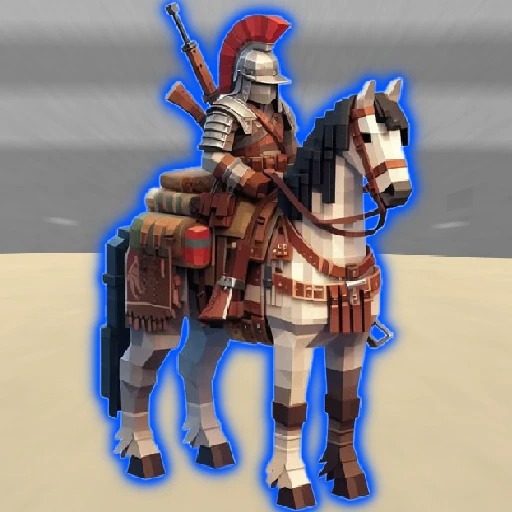
The Roman Empire Colosseum
Half the appeal here is the setup. You’re not mashing through a duel yourself; you’re arranging a small army, spacing it out, and then watching the Colosseum turn into a messy Roman-themed experiment. The fun comes from seeing whether your formation actually works once riders crash into the front line and heavier units start clogging the arena. It has that toy-soldier battle simulator feel where victory can hinge on one smart placement rather than raw numbers. The mix of warriors, mages, dwarves, titans, and cavalry gives each round a slightly different rhythm, especially when you start testing weird combinations just to see what holds. Because the action plays out automatically, the game leans more on planning than reflexes. If you enjoy tweaking lineups, spotting why a formation failed, and immediately trying a cleaner answer, this one stays entertaining longer than its simple premise suggests.
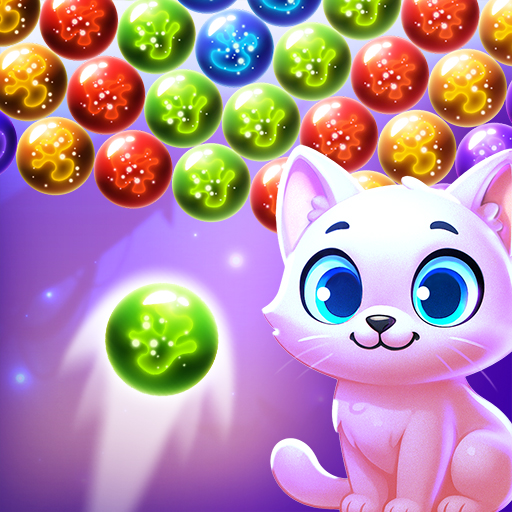
Magic Bubbles
You're working through an endless stream of bright clusters where clean angles matter more than speed. The hook here isn't just matching colors and clearing bubbles; it's the steady trickle of extras that keeps the loop from going stale. Boosters help you break awkward formations, weekly bonuses give you a reason to come back, and the Lucky Wheel adds a small jolt of unpredictability between rounds. That setup makes it feel a little more playful than stricter bubble shooters built entirely around perfect efficiency. Even so, careless shots catch up with you once the screen starts to crowd. The most satisfying moments come when one well-placed bubble opens a lane and drops a stubborn section in a chain reaction. It stays easy to read and kid-friendly, but there is enough planning in the tougher stretches to make each clean clear feel earned rather than automatic.
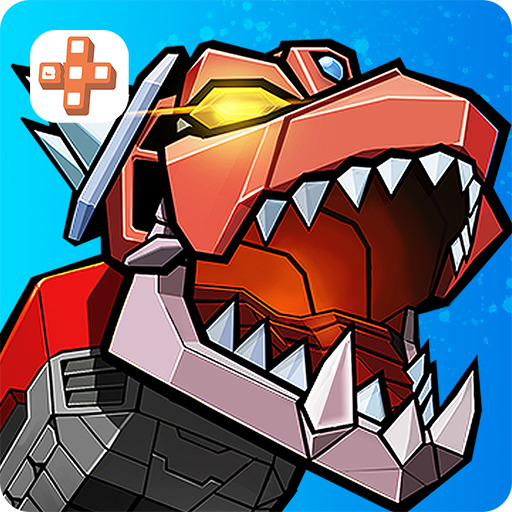
Colossatron
You’re not steering a hero here; you’re assembling a city-leveling machine one module at a time. The smart twist in Colossatron is how it blends quick color matching with the constant pressure of keeping a giant mechanical serpent alive under heavy fire. Linking matching modules isn’t just a scoring gimmick, it changes the shape of your offense, so every attachment feels like a small engineering decision made in panic. One moment you’re stretching for a combo, the next you’re rerouting your body to survive tanks, helicopters, and boss attacks. That push and pull gives the game its personality. It looks chaotic, but the best runs come from disciplined building rather than random collecting. Colossatron works because destruction is only half the appeal; the real hook is watching your improvised weapon train become strangely elegant as the battlefield gets more crowded.

Magic Bottles
You spend most of your time reading the top layer of each bottle and looking two or three moves ahead, which is exactly why this color-sorting puzzler works so well. Each level starts simple, but the challenge quickly shifts from obvious pours to careful sequencing. One bad transfer can trap a color under the wrong stack and force you to untangle the whole setup. The pace stays calm, though, so it feels more like straightening out a knot than racing a timer. What makes it satisfying is the way messy arrangements slowly become clean, uniform sets through logic rather than luck. If you like puzzle games that reward patience and tidy thinking, this one has a nice rhythm. It is easy to understand in seconds, but later layouts make you earn every perfectly sorted bottle.
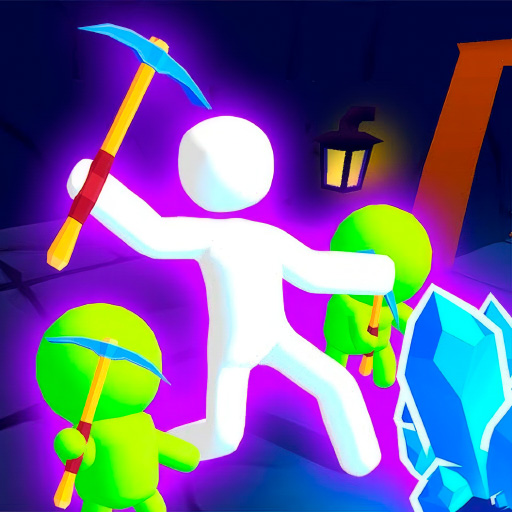
Dungeon Master – Cult & Craft
You spend most of your time balancing a small underground operation that gradually turns into a busy little cult-management machine. The hook here is not combat or dungeon crawling so much as watching plain stick-figure workers get assigned, gather ore, and feed a steady crafting loop that keeps your base growing. It has that satisfying casual rhythm where one upgrade unlocks the next need, so you're always choosing whether to expand, produce, or stabilize what you already built. The dungeon theme gives the management loop a slightly mischievous edge, but the tone stays light thanks to the simple 3D look and stickman followers. What works best is the sense of control: you are less a villain and more an overseer trying to keep labor, materials, and expansion from falling out of sync. It is easy to pick up, but surprisingly easy to mismanage when you grow too fast.

That's my seat!
You spend each round untangling a small social puzzle: who belongs in which chair, and which clue actually matters first. The hook is the seating setup itself. Instead of matching colors or clearing tiles, you're reading relationships, testing possibilities, and narrowing the board until every person lands in the only spot that fits. It has the tidy satisfaction of a logic-grid puzzle without the heavier presentation those games sometimes drag around. The best moments come when one tiny clue unlocks the whole arrangement and a messy row of guesses suddenly clicks into place. Because the goal stays focused, the pace feels calm rather than rushed, which makes it easy to play in short sessions. If you like deduction puzzles that reward careful attention more than speed, this one gives you a clean, approachable brain workout.

Yarn Fever! Unravel Puzzle
You’re not just matching colors here; you’re untangling a board that keeps tightening the more carelessly you play. Each level asks you to pull strands from knitted pieces and route them into the right containers, which turns a simple sorting idea into a light logic puzzle. The hook is the way clutter builds: one bad move can block a useful lane, while a patient sequence clears space and makes the whole board suddenly readable. Extra tools like added slots and cleanup-style helpers keep harder stages from becoming tedious, but the game works best when you rely on planning instead of rescue items. The bright fabric look and soft pacing make it easy to settle into, yet there’s enough friction in the later layouts to keep your brain engaged. It’s a calm puzzle game, but not a mindless one.
Obby Pinata Party
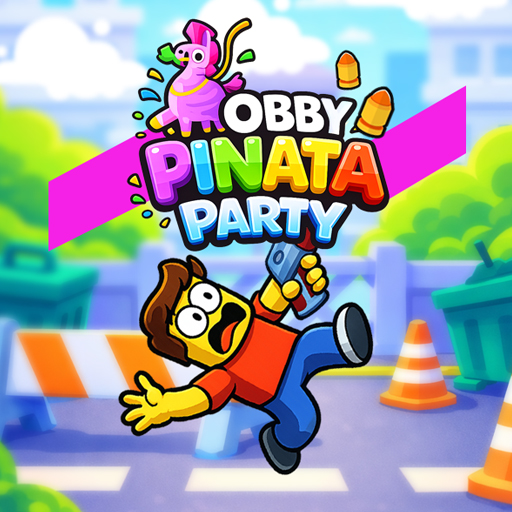
You spend most of your time here smacking pinatas for coins, then deciding whether to cash in for stronger gear or push a little farther into the next area. That simple loop gives Obby Pinata Party its hook. The obby-style look keeps things light and toy-like, but there’s a steady sense of progress as your weapons hit harder and the money starts coming in faster. It feels less like a precision platformer and more like a breezy upgrade grinder with playful targets and a clear reward cycle. What works is the pacing: early rounds move quickly, and every upgrade has an immediate effect on how fast you can tear through another batch. It’s easy to dip into for a few minutes, especially if you like watching small power boosts stack into much faster runs.
Pick Brainrot: 3D Battle
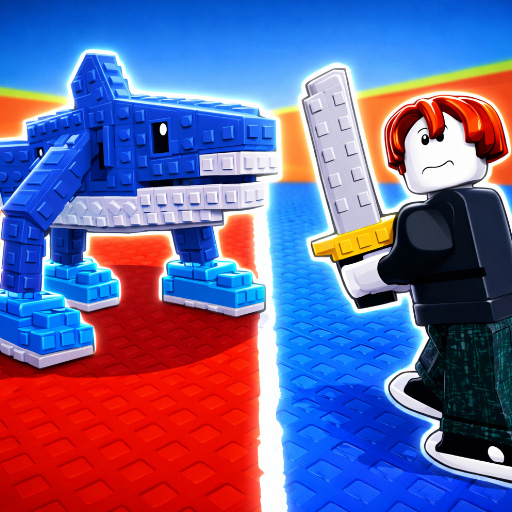
You’re dropped into a chunky 3D arena brawler built around a strange but funny hook: picking a Brainrot form and leaning into its strengths while trying to outlast everyone else. The early rounds feel scrappy, with basic weapon swings and a lot of circling, but the match flow changes once you start unlocking extra tools. Hitting level 5 for the shield matters because it finally gives you a way to survive messy close-range fights, and slow motion at level 10 can completely flip a duel if you time it well. That progression gives the battles a nice sense of momentum instead of feeling flat from the start. It’s not a deep combat sim, but it does have that playground-chaos appeal where weird character morphs, simple weapons, and title chasing keep you playing longer than expected.

FlowBall
You’re steering a glowing ball through a narrow 3D tunnel where the challenge comes from rhythm as much as reflex. The course keeps asking for small corrections, quick lane changes, and calm timing when gaps open up under you. What makes this one work is the sense of speed: the tunnel pulls you forward hard, but the game still gives you just enough room to recover if you stay composed. Collecting light points adds a useful layer beyond simple survival, since every run feels tied to unlocking more and pushing a little farther than before. The gravity-defying sections give it a slightly disorienting edge, especially when the path tilts and the safe route stops feeling obvious. It’s a straightforward arcade loop, but the glowing visuals, constant motion, and pressure of limited lives make mistakes sting in a satisfying way.
Tap 3D Blocks
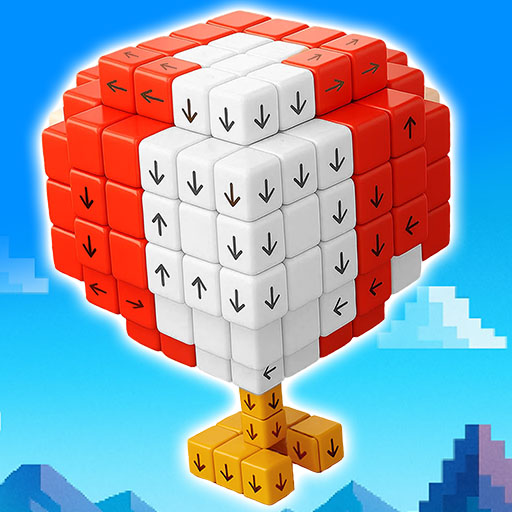
You’re not matching flat tiles here; you’re peeling apart a chunky 3D knot of arrow-marked blocks and trying not to trap yourself. The trick is reading which faces are actually free, then rotating the stack to expose angles that looked impossible a second ago. Early layouts feel breezy, but later puzzles become a quiet exercise in spatial discipline, where one careless clear can hide the move you needed next. That makes every rotation matter more than speed. The dice-like blocks give the board a solid, tactile look, and the simple rules keep the focus on spotting openings instead of memorizing gimmicks. It lands somewhere between a matching puzzler and a visibility test, which gives it a different rhythm from standard Mahjong layouts. Short sessions work well, but the better stages pull you into that "one more try" pattern.
Ultimate Tower Defense
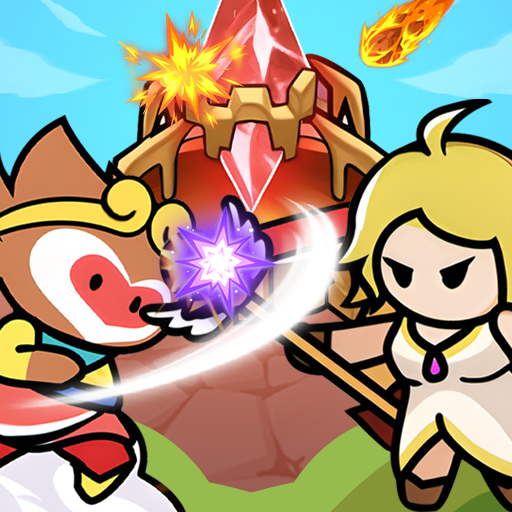
You’re juggling two pressures at once here: building a sturdy defensive line and deciding when a hero is worth more than another tower upgrade. Ultimate Tower Defense leans into that push-pull, so each wave feels less like passive waiting and more like a series of small, urgent corrections. Towers seem built around distinct attack roles rather than brute force alone, which gives placement real weight. A bad lane setup quickly turns into a leak, while a smart mix can hold longer than expected. The extra mode selection helps the game avoid feeling like one endless grind, and the faster pace keeps you focused on immediate battlefield problems instead of long-term empire building. It’s a straightforward strategy game, but the hero layer gives it a more active rhythm than many browser tower defense games, especially when you’re trying to patch weak spots before the next rush lands.
Bubble Shooter Crystal Hunt
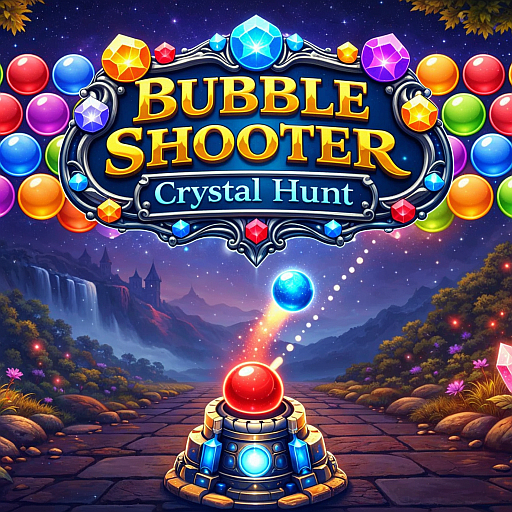
You are not just clearing color groups here; you are constantly making space while hunting for crystals buried inside the pack. That small twist gives the usual bubble-shooter rhythm a sharper objective, because every shot has to do two jobs: keep the ceiling under control and open a path to the valuable pieces hidden in awkward spots. The rising wall adds steady pressure without turning the game into chaos, so each miss feels costly in a way that suits the endless format. It is easy to understand in seconds, but the longer you last, the more the board starts asking for cleaner angles and smarter setup shots instead of easy pops. If you like puzzle games that stay readable while quietly tightening the screws, this one has a satisfying, focused loop.
Tsunami Brainrots Online
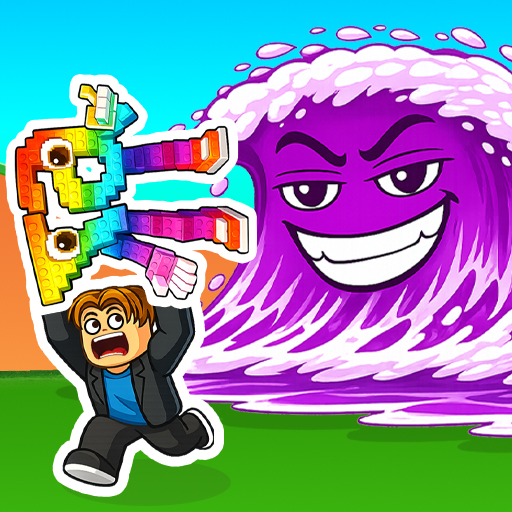
Chaos is the whole appeal here. You’re sprinting through a cluttered 3D map with a tsunami bearing down, trying to grab brainrot characters and still make it back before the run collapses into panic. The pace has that good .io-style pressure where every detour feels risky, and the mix of movement, jumping, light combat, and quick looting keeps you busy without turning into pure noise. What makes it stick is the tone: it leans into absurd meme energy, but the survival loop underneath is real. You have to judge when to push farther, when to turn around, and when greed is about to get you washed out. The online setup adds some social weirdness through chat, while local two-player makes the scramble messier in a fun way. It’s messy on purpose, but the timer and wave give that mess a clear shape.
Word Search Universe 2
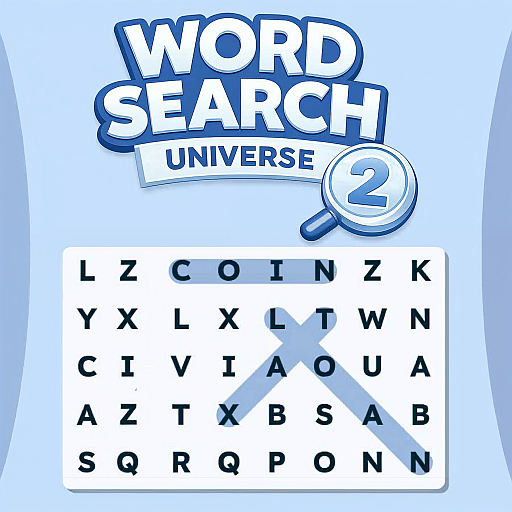
You’re scanning dense letter grids for themed words, but the hook here is how steadily the game broadens its subjects. One round has you picking out food terms in seconds; the next slows you down with history or science vocabulary that blends into the board more convincingly. That variety keeps the pace calm without making it brainless. The interface stays uncluttered, so your attention goes straight to pattern spotting and the small satisfaction of clearing a list cleanly. It’s a good puzzle game for short sessions because each board gives you a tidy objective and a clear finish, yet the rotating topics stop the routine from going stale. If you like word games that lean more on observation than trivia, this one lands nicely between relaxing and quietly demanding.