
All Games
Discover 109 games to play right in your browser — no downloads needed.
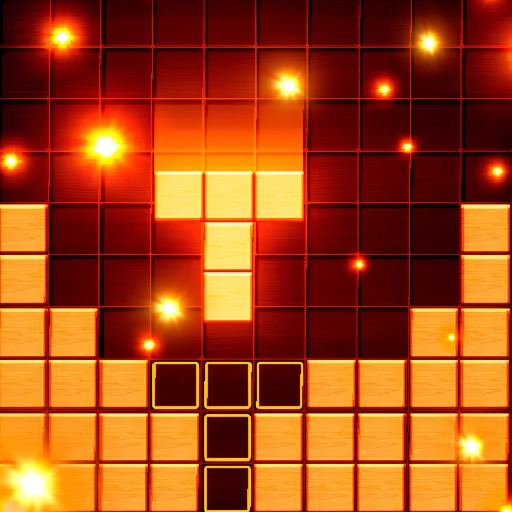
Relaxing cubes and campfire
You’re not racing a clock here; you’re settling into a slow, steady block puzzler where the real hook is the mood. Each turn asks you to fit cube pieces onto the board and clear full rows or columns, but the campfire theme changes how the whole loop feels. Instead of pushing tension, it gives you room to think a move ahead and keep the grid tidy. That makes small mistakes stand out more, because one awkward placement can box out the larger shapes you’ll wish you had saved space for later. The satisfaction comes from maintaining a clean board and squeezing value from simple-looking pieces, not chasing flashy effects. If you like puzzle games that let you relax without turning your brain off, this one has a calm, almost meditative rhythm that suits short sessions especially well.
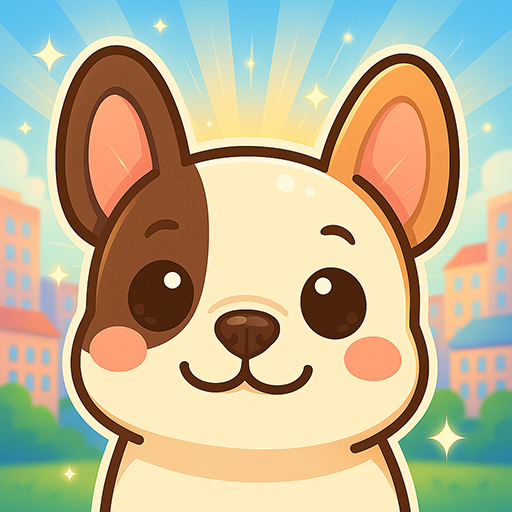
Dog Merge Mania
What keeps this merge game working is how small, tidy, and readable everything feels. You are dragging matching dogs together, watching them turn into larger breeds, and slowly filling the board with fluffier, more valuable results. The appeal is less about surprise and more about managing space before the grid clogs up. That gives the game a light puzzle edge without ruining its calm pace. You will spend most of your time deciding whether to chase quick merges near the center or leave room for future combinations. The dog theme helps because each upgrade feels visually distinct, so it is easy to track your progress at a glance. It is a simple loop, but a satisfying one, especially if you like merge games that stay gentle, cute, and quietly tactical instead of piling on distractions.

Ole Bunny
You spend most of your time reading space rather than chasing points. The rabbit moves in looping arcs, so every rose grab feels like a small geometry puzzle: commit too early and a bull cuts off your path, hesitate and the arena tightens around you. That odd circular movement is what gives Ole Bunny its personality. It turns a simple dodge-and-collect setup into something more deliberate, where you’re constantly setting up your next turn instead of reacting at the last second. The bulls create real pressure, but the tone stays light thanks to the cartoon look and the absurd image of a rose-obsessed bunny trying to survive a bull ring. Runs are quick, readable, and a little tense in the right way. Once the movement clicks, you start seeing cleaner routes and riskier pickups almost immediately.
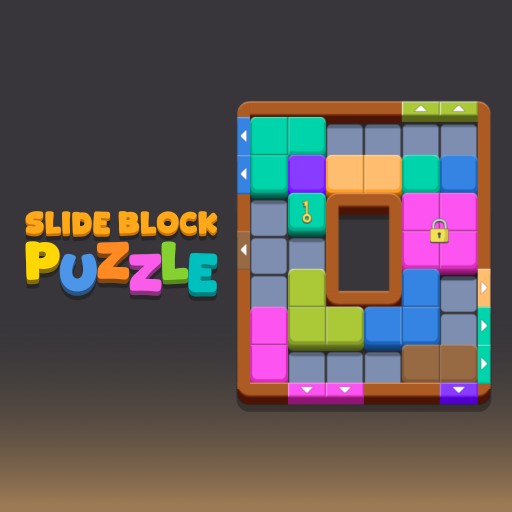
Slide Block Puzzle
What makes this one work is how cleanly it turns a simple sliding puzzle into a color-routing problem. You are not just shuffling blocks around until space opens up; you are trying to line each piece up with the correct path and exit, which gives every move a little more purpose. The pace is quiet and deliberate, so it feels more like untangling a compact logic box than racing through brainteasers. Early layouts teach you how to create room without much friction, then later boards start punishing careless moves and blocked lanes. I liked that the challenge comes from position and order rather than gimmicks. When you solve a board, the result feels earned because the answer usually depends on setting up several pieces in sequence. If you want a puzzle game that stays calm while still making you think ahead, this is a solid fit.
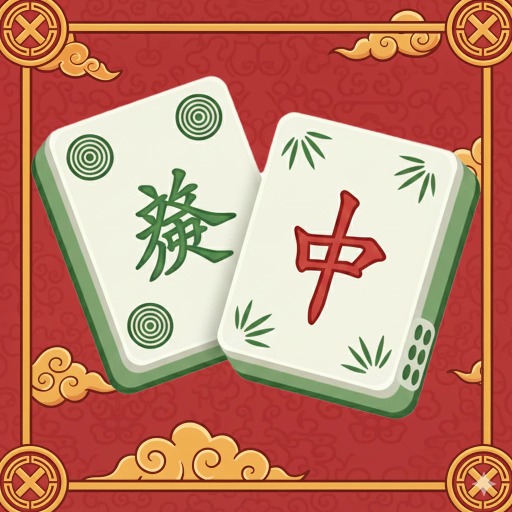
Mahjong connect tiles
You’re scanning the board for twin tiles, but the trick isn’t spotting matches, it’s spotting which matches are actually open. Mahjong Connect Tiles leans into that satisfying connect-style rhythm where a clear board comes from smart sequencing, not random tapping. Early moves feel generous, then the layout starts to punish impatience as useful pairs get trapped behind bad choices. That makes each round pleasantly methodical: clear the obvious path, preserve future links, and keep the board from clogging itself. It has a calm, low-pressure pace that suits short sessions, but there’s still enough tension in the layout to keep your attention locked in. If you like puzzle games that reward careful eyes and a little forward planning, this one delivers a clean, unfussy version of the formula without overcomplicating it.
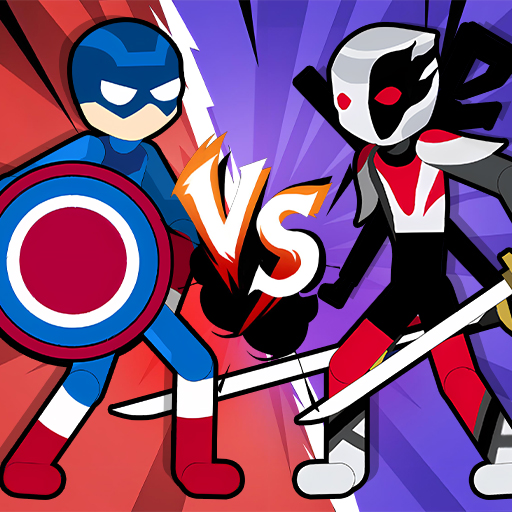
Stick Hero Battle
You’re dropped into short, scrappy arena fights where survival depends less on flashy chaos and more on reading space, picking moments, and not getting surrounded. The stick-figure look keeps everything clean, so you can track enemy movement, react quickly, and focus on timing instead of visual clutter. What stands out is the rhythm: you push in for damage, pull back before the crowd closes, then look for the next opening. That makes each round feel tense even though the setup is simple. It’s easy to understand in a minute, but staying alive takes sharper judgment than the minimalist style suggests. If you like battle games that strip things down to movement, spacing, and quick decisions, this one has a nice snap to it. It feels like a compact test of whether you can stay calm when the arena starts collapsing around you.
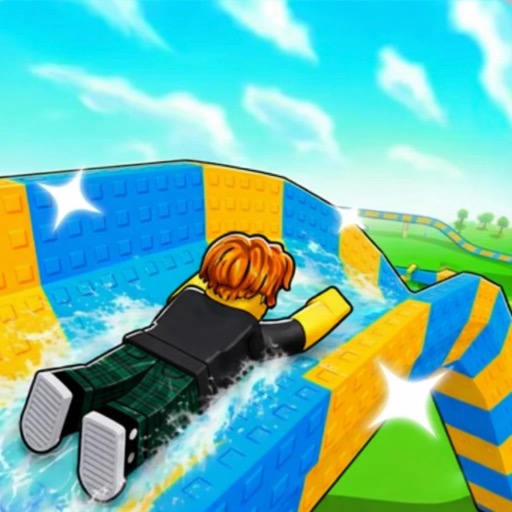
Build an Aquapark
You’re piecing together a water slide one section at a time, then immediately testing whether your latest idea is brilliant or a complete mess. That build-and-ride loop is what makes Build an Aquapark click. Instead of managing a huge park, you focus on shaping the actual course, adding new parts, extending the run, and chasing that sweet spot between length, speed, and survivability. The fun comes from seeing how each addition changes the feel of the ride, especially when a layout looks clever in theory but turns awkward once you send a ring down it. It has a light, playful tone, but there’s still a bit of problem-solving in how you connect pieces and spend upgrades. If you like casual builders that give you fast feedback and let you experiment without much friction, this one has an easy rhythm that keeps pulling you into one more run.

Clay Craft Tycoon
You’re juggling a surprisingly satisfying little production line here, and the appeal comes from watching every step of the business start to click together. Raw clay turns into useful stock, your warehouse fills up, and the money only really starts flowing once you keep those stages balanced instead of overbuilding one corner of the factory. What makes it work is the theme: shaping humble materials into everyday pottery gives the whole tycoon loop a more hands-on feel than the usual generic idle business setup. Daily objectives add structure, so you’re not just waiting for numbers to rise, and each expansion feels like a practical upgrade rather than busywork. It stays light and approachable, but there’s enough management to keep you thinking about throughput, storage, and sales timing. If you like casual tycoons with a clean loop and steady sense of growth, this one lands nicely.
Bingo Halloween
You’re not here for jump scares; you’re here to settle into a brisk round of bingo with a Halloween coat of paint and a steady little reward loop. Numbers roll in, you scan your card, and the real rhythm comes from staying focused as the call speed picks up. The seasonal theme is light and playful rather than creepy, with candy-flavored unlocks giving each win a small sense of progress beyond the next card. What works is how clean the structure feels: mark spaces, build lines, chase the bingo, then keep going to reveal more themed images. It lands somewhere between a casual board game and a concentration exercise, which makes it easy to play in short bursts. If you like puzzle games that rely on attention instead of reflexes, this one has a simple, cozy groove.
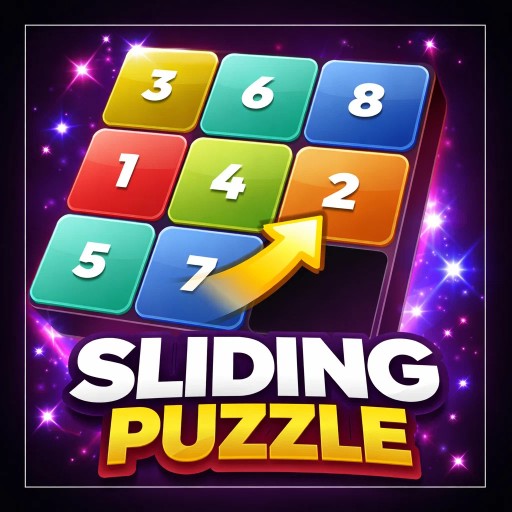
Sliding Puzzle
You’re not racing a clock here so much as untangling your own mistakes, and that’s what makes this sliding number puzzle so absorbing. Each board asks you to rebuild numerical order by shifting tiles through a single open space, starting simple on smaller grids before the larger layouts create real traffic jams. The jump from 3x3 to 4x4 and 5x5 matters; bigger boards turn a familiar brain teaser into something more methodical, where one careless move can scatter a nearly solved corner. The clean presentation helps you stay focused, and the optional auto-solve is useful when you want to study the logic instead of brute-forcing it. This version works best as a steady, thoughtful puzzle game: less about flashy pressure, more about spotting patterns, protecting finished rows, and enjoying that moment when the last few tiles finally click into place.
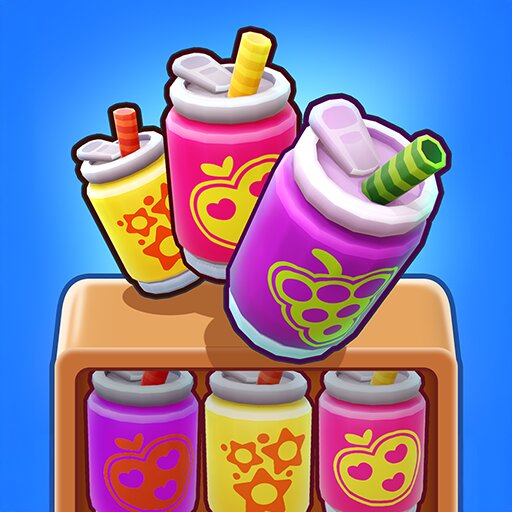
Bottle Logic
What works here is the steady, almost meditative rhythm of sorting one bottle at a time until a messy layout suddenly clicks into order. You spend each level untangling color stacks, planning a few moves ahead, and protecting the empty space that keeps the whole puzzle solvable. Early stages ease you in, but the larger layouts start punishing careless shuffling and reward patience instead of speed. That makes Bottle Logic feel less like a flashy brain teaser and more like a clean, quietly demanding logic game you can settle into for a while. The huge level count helps, but the real hook is how often a board looks impossible right before the solution reveals itself. Endless mode is a nice extra, though the handcrafted stages are where the puzzle design feels most deliberate and satisfying.
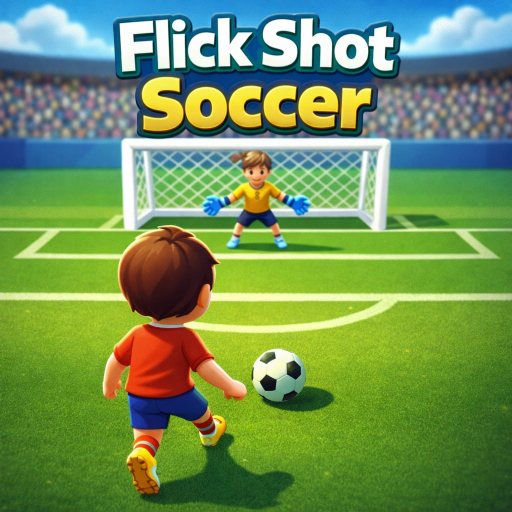
Flick Shot Soccer
Scoring here is less about power and more about the feel of the swipe. You line up each attempt by dragging, then see whether your angle was clean enough to slip the ball inside the post and into the net. What makes it work is the constant micro-adjustment: a slightly different release, a softer touch, a smarter line toward the corner. It has a brisk arcade rhythm where retries come fast, but it still asks for focus because careless shots disappear quickly. The 3D view keeps each attempt readable, so misses usually feel like your error rather than bad luck. If you enjoy sports games that boil soccer down to one repeatable skill, this stays engaging by making small improvements noticeable. You are not managing a full match here; you are chasing that satisfying moment when the shot leaves your hand exactly right.
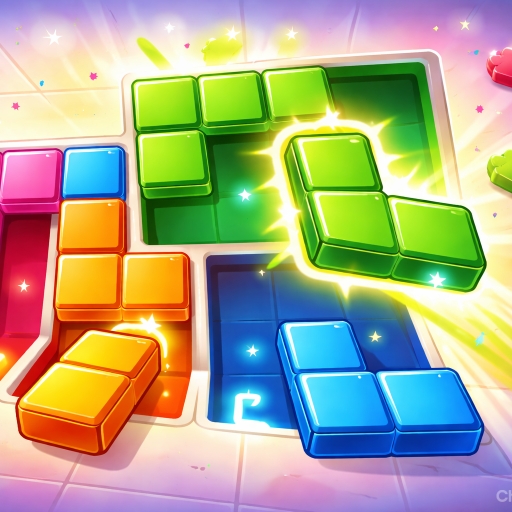
Candy Crunch: Sugar Escape
You spend most of your time untangling a cramped tray of candy-colored pieces, figuring out which shape can leave first without trapping the rest. The hook in Candy Crunch: Sugar Escape is how readable each puzzle feels at a glance, then how quickly that confidence disappears once exits start competing for the same narrow lanes. Matching pieces to their colored goals sounds simple, but the fun is in managing order: one careless move can block a long piece or strand a square in the wrong corner. It stays approachable because levels are brief and the visual language is clear, yet there is enough friction to make each clean solution satisfying. This is less about speed and more about patiently creating space, spotting the one blocker that matters, and enjoying that small click when the board finally opens up.
Puzzle Blocks
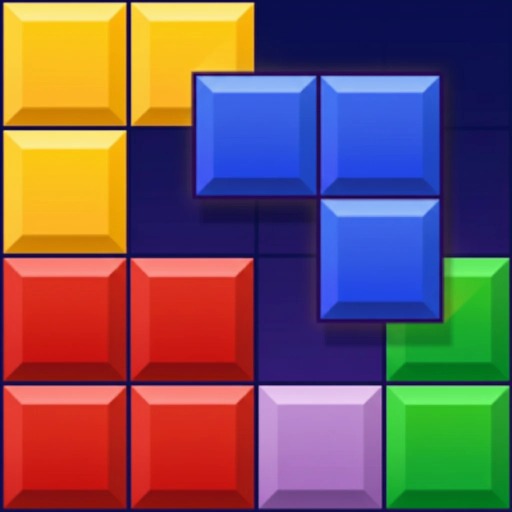
You’re dragging chunky pieces into a grid, trying to complete full rows and columns before the board clogs up. What makes Puzzle Blocks work is the way it shifts your mood depending on the mode: one round pushes you to think fast under a timer, another asks for cleaner, more deliberate saves, and free play lets you settle into that satisfying rhythm of setting up double clears. It borrows the simple pleasure of line-making, but it feels more like space management than twitch reflex. The best moments come when you stop chasing the obvious placement and hold out for a move that pops multiple lines at once. It’s easy to read, quick to restart, and calming even when the pace picks up. If you like puzzle games that reward neat planning over flashy gimmicks, this one stays engaging longer than its plain presentation suggests.

Fun Mini Games For Kids
You’re bouncing between several light activities instead of settling into one long session, and that’s the whole appeal here. One moment you’re sorting shapes, the next you’re tidying a room, picking outfits, or poking around in a simple doctor-themed task. The collection clearly aims at younger players, so nothing feels punishing or rushed. Each mini-game is built around quick recognition, basic choices, and bright visual feedback that keeps things moving even when the idea is very simple. What stands out is the variety of pretend-play themes mixed with easy puzzle prompts, which gives the game a scrapbook feel rather than a strict arcade structure. It’s best approached as a grab bag for short attention spans: you try one activity, finish in a minute or two, then hop to another. That loose rhythm works well, even if some mini-games are much thinner than others.

Bubble Shooter Wonders of Egypt
What stands out here is the way it mixes classic bubble-shooting rhythm with a steady score chase. You are not simply clearing clusters until the board is empty; you are pushing to hit score targets before the formation drops too low. That changes the tempo. Early rounds feel forgiving, but once the ceiling starts creeping down, every wasted shot becomes expensive. The Egyptian backdrop is mostly atmosphere, yet it gives the game a calm, moonlit look that fits the measured pace. I liked how the goal meter keeps giving you short-term targets, so runs feel structured instead of endless. The harder modes opening up after stronger scores also give you a reason to sharpen your angles rather than coast through beginner play. If you enjoy bubble shooters that reward efficient clearing over mindless firing, this one has a satisfying, slightly more pressurized loop.
Jigsaw Cards: Daily Puzzles
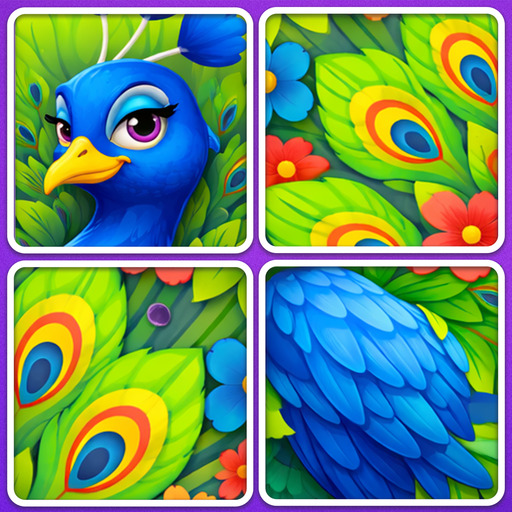
This daily puzzle setup works because it keeps the focus on small, satisfying wins instead of marathon sessions. You’re piecing together illustrated scenes from scattered card-like fragments, and the pleasure comes from spotting tiny color transitions, edge cues, and repeated textures before the image fully reveals itself. The daily structure gives each puzzle a clear reason to come back, while the presentation stays calm and uncluttered. It feels closer to a tabletop picture puzzle than a frantic mobile brain teaser, which suits the pace. You’ll spend most of your time scanning for visual anchors rather than racing a clock, and that makes every completed section feel earned. If you like puzzle games that let you settle in, observe carefully, and finish with a clean sense of closure, this one understands the assignment without overcomplicating a simple idea.
Obby Highest Jump Ever
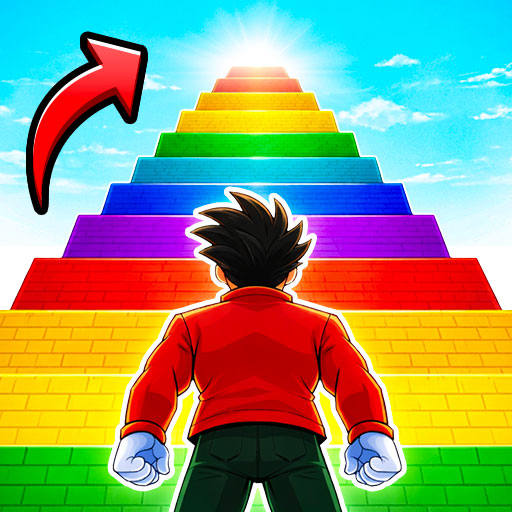
What hooks you here is the strange mix of idle-style growth and simple platform climbing. You begin with barely enough jump to clear a short rooftop, then spend clicks building power until those tiny hops turn into huge launches toward taller and taller towers. That steady ramp from modest buildings to absurd heights gives the game its rhythm; every new rooftop feels like proof that your last few minutes actually mattered. It is less about tricky precision than about chasing the next height milestone, grabbing trophies, and deciding when to keep grinding versus when to cash in on bigger progression systems like rebirth. The controls stay approachable, so the satisfaction comes from watching your movement transform from clumsy to ridiculous. If you like games that turn repetition into visible progress, this one has a clean, easygoing loop that keeps nudging you upward.
Traffic Tap Survival
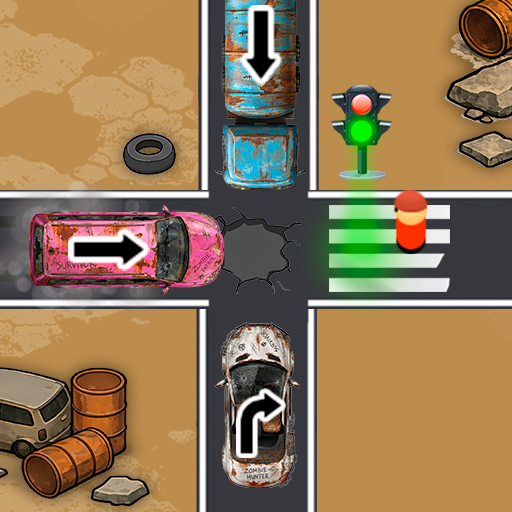
One bad tap can turn a tidy intersection into a pileup, and that constant pressure is what makes this traffic puzzler work. You are not steering cars so much as judging tiny gaps, reading arrow directions, and deciding which vehicle deserves the road first. The survival angle gives each round a brisk, anxious rhythm: clear one dangerous crossing, then immediately scan for the next mistake waiting to happen. Tight turns and busy junctions keep the challenge focused on timing rather than speed alone, so reckless tapping usually causes the chaos you're trying to prevent. What stands out is how quickly you start thinking like a traffic controller, spotting routes, predicting conflicts, and holding one car back so three others can slip through cleanly. It is simple to understand, but staying calm when the screen gets crowded is the real test.
Gas Station - Stick Simulator
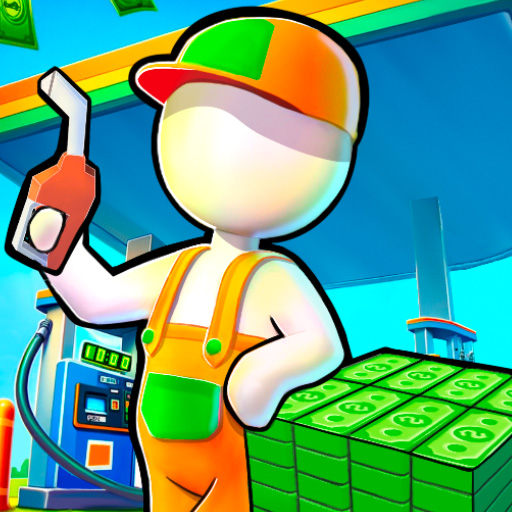
Running this roadside station feels less like a tycoon spreadsheet and more like a steady, hands-on hustle. You’re juggling arriving cars, fueling them quickly, and turning each small payout into the next useful expansion. What makes it click is the way the station grows in clear stages: first the pumps matter, then extra services start stacking on top, from a shop to food and other customer stops. The stick-figure style keeps things light, but the loop has real momentum once traffic picks up and you’re bouncing between jobs. It’s a casual management game that leans on flow rather than pressure, so the fun comes from smoothing out bottlenecks and watching a bare stretch of highway turn into a busy stop. Repetition is part of the design, but the constant visible growth gives those simple tasks a nice payoff.
Monster Squad Rush
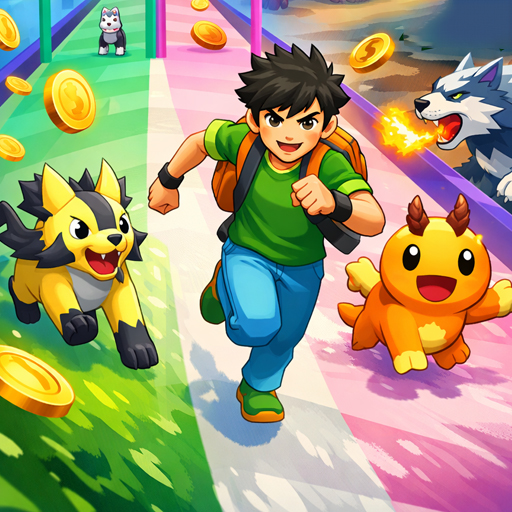
You spend most of your time making quick route decisions instead of just drifting forward. Each run asks you to scoop up monsters, grow your squad on the move, and think ahead to the fight waiting at the end. That setup gives Monster Squad Rush a nice rhythm: light runner pressure up front, then a payoff battle where your earlier choices matter. The fun is in judging which pickups are worth the risk and how aggressively you want to build power before the arena. It feels closer to a collecting sprint than a pure reflex test, which helps it stand out from more disposable endless runners. The monster theme is simple but readable, and the progression from scrappy group to stronger team gives each short session a clear arc. You are always chasing a cleaner run, not just a longer one.
Mahjong Triple 3D Tile Match
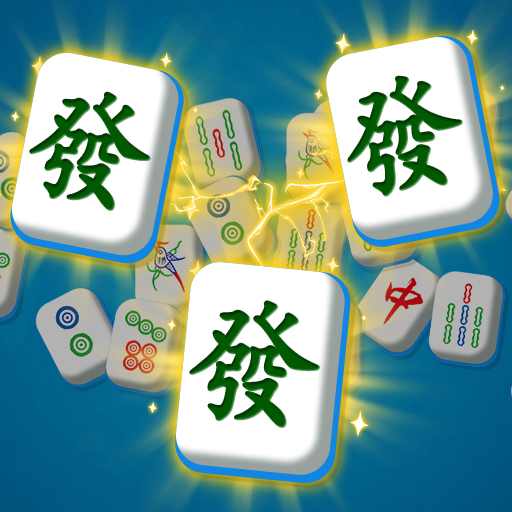
What makes this one work is the way it turns a familiar tile-matching loop into a small exercise in reading clutter. You are not just spotting pairs on a flat board; you're scanning a layered 3D pile, picking out identical tiles before the tray fills up and your options tighten. That added depth gives each round a slightly fussy, satisfying rhythm: clear the obvious sets first, then hunt for pieces half-buried under the stack. The mahjong theme is mostly visual rather than traditional, so it plays more like a calm sorting puzzle than a strict board game adaptation. That makes it easy to slip into, especially if you want something low-pressure but still mentally active. It is at its best when the pile looks chaotic and you manage to unravel it methodically, one smart triple at a time.
Vortex Ball
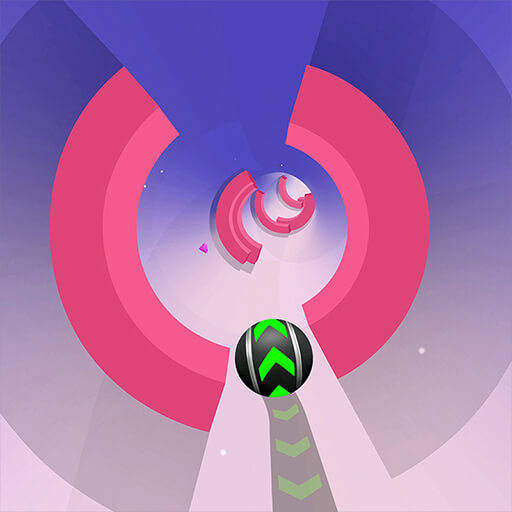
You’re steering a ball through a neon tube that keeps changing color, speed, and rhythm just enough to throw off your timing. What makes Vortex Ball work is the way it mixes simple lane-dodging instincts with the pressure of an endless run: the farther you last, the more the tunnel starts to feel hostile. Obstacles arrive in patterns that tempt you to panic-swerve, and that usually ends the run faster than the obstacle itself. The gem chase adds a nice layer because you’re not only playing for distance; you’re also weighing safe survival against risky pickups that help unlock more ball skins. It’s a tough agility game, but not a messy one. Failures feel like your mistake, usually from overcorrecting or getting greedy, and that makes restarting feel immediate instead of frustrating.
Pool Duel
Every rack in Pool Duel feels tighter because the shot clock is always in the back of your mind. You are not just lining up easy pots; you are managing angle, pace, and position so your next visit to the table does not turn into a scramble. The alternating solids-and-stripes setup keeps it familiar, but the pressure comes from making clean decisions before time runs out. A rushed shot can hand over control immediately, and that gives each miss more bite than in a laid-back pool game. What stands out is the balance between simple rules and punishing tempo. You can settle into a rhythm, but only if your cue control stays disciplined. It works best as a quick competitive sports game where precision matters more than flashy trick shots, and where a calm approach usually beats reckless confidence.