
Syncing
Restoring your latest save before the game starts.
Sign in to sync your progress across sessions and devices.
About Vortex Ball
Fast, punishing tunnel-dodging that stays readable because every crash feels tied to your own bad decision.
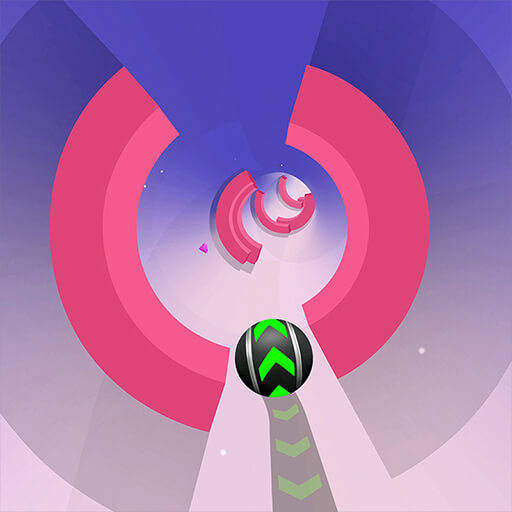
You’re steering a ball through a neon tube that keeps changing color, speed, and rhythm just enough to throw off your timing. What makes Vortex Ball work is the way it mixes simple lane-dodging instincts with the pressure of an endless run: the farther you last, the more the tunnel starts to feel hostile. Obstacles arrive in patterns that tempt you to panic-swerve, and that usually ends the run faster than the obstacle itself. The gem chase adds a nice layer because you’re not only playing for distance; you’re also weighing safe survival against risky pickups that help unlock more ball skins. It’s a tough agility game, but not a messy one. Failures feel like your mistake, usually from overcorrecting or getting greedy, and that makes restarting feel immediate instead of frustrating.
Strengths
- clean obstacle readability
- strong speed-pressure balance
- useful gem unlock loop
Trade-offs
- repetition by endless design
- little variety beyond dodging
- mistakes punished very quickly
Best forPlayers who like difficult reflex games with clean visuals, short runs, and a steady score-chasing grind.
Instant Play
No install needed
Cross-Platform
Desktop & mobile
Safe & Curated
Verified source
How to Play
Guide the ball through the tunnel with keyboard or mouse movement, staying centered enough to react when barriers appear. Beginner tip: make small adjustments instead of constant zigzagging. Strategic tip: treat gems near the safe line as bonuses, not priorities, and keep your run alive first. Avoid chasing every pickup or making late panic moves, because one bad swerve usually sends you straight into the next obstacle.
You Might Like
More in Agility

Goo Goo Gaga Clicker
What keeps you clicking here isn’t just the number climb; it’s the steadily stranger rhythm of unlocking one ridiculous Goo Goo Gaga form after another. The early game is pure tap-happy nonsense, but after a few upgrades it settles into a familiar idle groove where timing your spending matters more than mindless hammering. You’re chasing points, stacking passive gain, and deciding whether to push raw click strength or let the background income carry the load. The meme theme is intentionally absurd, and that silliness does a lot of the heavy lifting when the loop gets repetitive. Still, the game understands the appeal of short bursts: check in, buy a few boosts, watch progress speed up, repeat. If you like clickers that lean into internet-brain chaos without overcomplicating the formula, this one has a goofy, easy-to-digest hook.

Fox Adventure
You’re sprinting through a deceptively cute pixel world where the real challenge is staying calm for one more second. The fox never gets a break: spikes wait on the ground, meteors force split-second reactions, and the run keeps asking for cleaner timing than you think. What makes it work is the mix of pressure and simplicity. You only need to focus on jumping, but the pattern of hazards keeps nudging you into rushed mistakes, especially when you spot coins and try to grab everything. The collectible costumes give the run some extra personality without distracting from the score-chasing loop. It feels closest to an old-school arcade survival test, the kind where a small improvement in rhythm suddenly doubles your run. If you like runners that are fast, readable, and built around pure reflex discipline, this one has a sharp hook.
Obby Highest Jump Ever
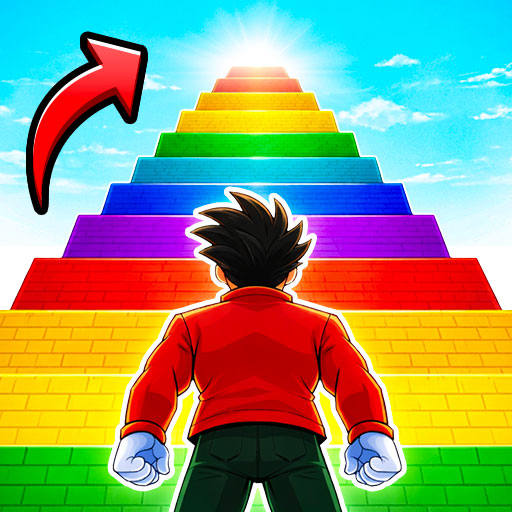
What hooks you here is the strange mix of idle-style growth and simple platform climbing. You begin with barely enough jump to clear a short rooftop, then spend clicks building power until those tiny hops turn into huge launches toward taller and taller towers. That steady ramp from modest buildings to absurd heights gives the game its rhythm; every new rooftop feels like proof that your last few minutes actually mattered. It is less about tricky precision than about chasing the next height milestone, grabbing trophies, and deciding when to keep grinding versus when to cash in on bigger progression systems like rebirth. The controls stay approachable, so the satisfaction comes from watching your movement transform from clumsy to ridiculous. If you like games that turn repetition into visible progress, this one has a clean, easygoing loop that keeps nudging you upward.
Travel Mahjong Deluxe
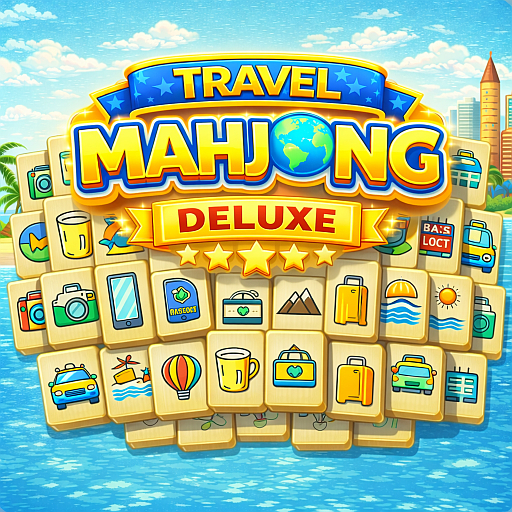
You spend most of your time scanning for exposed pairs, but the travel theme gives the usual mahjong loop a lighter, postcard-like feel. Suitcases, landmarks, and vacation-flavored icons make the board easy to read without turning every layout into visual clutter. What keeps it engaging is the steady shift in board shapes: some rounds open up quickly, while others punish careless early matches and leave key tiles buried. The hint option is useful, but the better rhythm is learning to pause before every click and protect your future moves. It’s a calm puzzle game, though not a sleepy one; you’re constantly weighing obvious pairs against the ones that actually free the board. If you like matching games with low pressure but real sequencing decisions, this one stays satisfying longer than its gentle presentation suggests.