
All Games
Discover 109 games to play right in your browser — no downloads needed.

GT Traffic Racer
You spend most of your time threading fast cars through packed highway lanes, and that constant near-miss rhythm is what makes GT Traffic Racer work. The handling leans arcade, but there’s enough weight in the traffic flow that reckless weaving gets punished quickly. What stands out is the mix of long straight runs, nitro-assisted overtakes, and the small but useful decision of when to upgrade versus when to switch cars. The three highway backdrops help keep the repetition down, and the different modes give you a reason to approach each run a little differently instead of treating everything like a flat speed test. It’s at its best when you’re slipping past slower vehicles with barely any room, building momentum without clipping a bumper. You’re not learning a deep sim here; you’re chasing clean lines, smart boosts, and that satisfying feeling of surviving chaos at full speed.

Night Club Security
You spend your time at the velvet rope, sizing people up, checking for banned items, and deciding who gets past the door. The appeal here is the mix of routine inspection and low-stakes chaos: one moment you're doing proper security work, the next you're treating the line like your own personal sandbox. That push and pull gives the simulation its personality. It is less about realism than about the awkward judgment calls, the small power trips, and the darkly comic ways a shift can spiral when you start experimenting with how strict you want to be. The nightclub theme helps, too, because every visitor feels like a tiny test of your patience. If you like simulation games with a mean streak and a lot of room to improvise, this one turns basic screening into something nosy, petty, and weirdly entertaining.

Molang Match'n Munch
You’re mostly here for the mood, and that works in this puzzle game’s favor. Each board keeps the familiar match-3 rhythm, but the food theme and Molang’s soft, cheerful style make it feel lighter and gentler than the usual jewel-swapping grind. The ingredient-collecting hook gives the levels a bit more purpose, so you’re not just clearing pieces for the sake of it. What stands out is how relaxed the pacing feels: it’s built for short sessions, easy resets after mistakes, and satisfying little chain reactions rather than constant pressure. Younger players can settle into it quickly, while older players will probably appreciate how readable the boards are and how cleanly the goals come across. It’s not trying to reinvent match-3 design. It just delivers a cute, snack-filled puzzle loop with enough charm to keep the formula from feeling stale.

Bunny Blox
You’re juggling two puzzle skills at once here: lining up color groups and managing falling pieces before the stack gets messy. Bunny Blox feels closer to a block-drop puzzle than a laid-back match game, so there’s a nice bit of pressure in every placement. You’ll be shifting each piece into position, turning it to fit awkward gaps, then dropping it fast when you’ve spotted a clean setup. The rabbit theme keeps things light, but the real hook is how quickly simple matches turn into board control. Special bonuses matter more than raw speed, especially once the playfield starts to crowd and careless drops leave dead space behind. It’s easy to read, easy to start, and just demanding enough to make you chase a better run. If you like puzzle games that reward tidy thinking over frantic clicking, this one has a solid rhythm.
Shape Shift
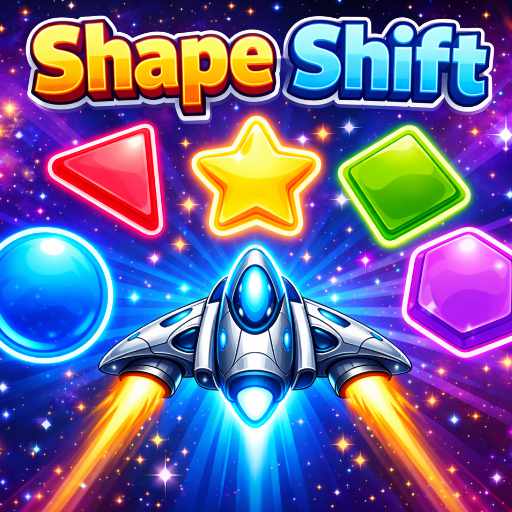
You spend most of Shape Shift scanning two things at once: the swarm of floating pieces ahead of you and the small rule change that can ruin a good run in a second. It starts simply, steering a ship through bright space and picking up matching objects, but the hook is how often the target flips between different shape-and-color combinations. That constant switch gives the game a nice twitchy tension without making it complicated. You are not memorizing patterns so much as staying mentally flexible, because the mistake is usually grabbing what was correct a moment ago. The space theme is light and colorful, and that works well for a game built around quick visual sorting. It feels closest to an arcade concentration test: short, readable, and just demanding enough to make you chase a cleaner score.
ColorWars.io
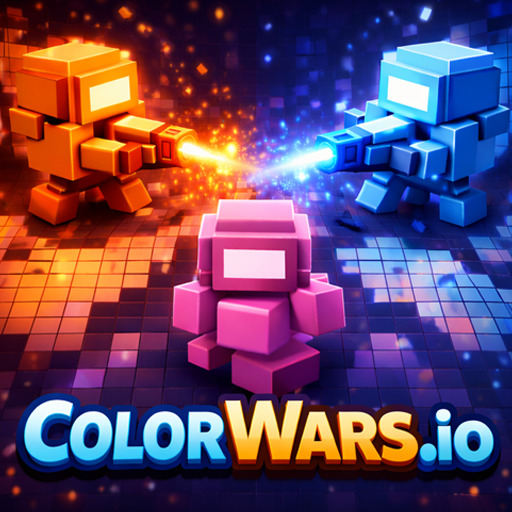
You spend most matches making uncomfortable decisions on purpose: push outward to claim more space, or turn back before someone cuts your line and wipes out the run. That risk-reward loop gives ColorWars.io its identity. It looks bright and readable, but the match flow is ruthless in a clean, tactical way. Expanding your zone feels useful only if you can actually hold it, and the gold system adds a smart layer because every defensive build slows your next offensive move. Shooting matters, but not in the usual arena-shooter sense; the best attacks come from catching opponents while they’re stretched thin outside their safe area. That makes every border skirmish feel tense instead of random. The leaderboard chase works because success isn’t just about reflexes. You need timing, map awareness, and the discipline to stop overextending one second earlier than you want to.
Safe Merge
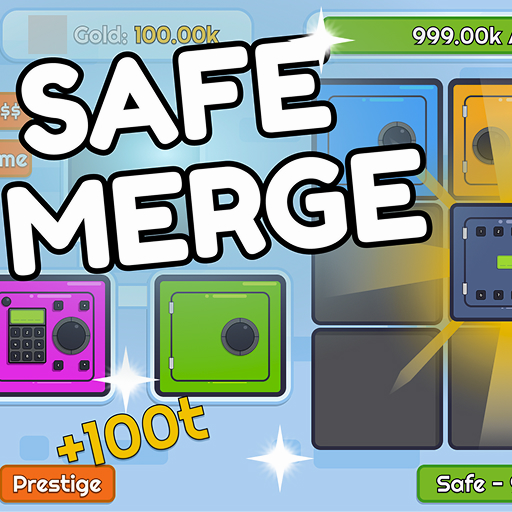
You spend most of your time dragging matching safes together, but the hook is in how steadily the board opens up. Each merge pushes you toward a new safe design, and that visible checklist on the side gives the whole climb a satisfying sense of progress. It plays like a light idle game rather than a frantic puzzler, so the appeal is watching your setup become more efficient over time instead of chasing quick reactions. The prestige system gives the loop some needed bite: when progress slows, resetting for better income makes the next run feel smarter instead of repetitive. That rhythm of combine, unlock, stall, and restart is what carries it. Safe Merge is simple almost to a fault, but it understands the appeal of incremental progress and collectible upgrades. If you like low-pressure management games with a clear long-term target, this one settles into an easy groove.
Gang War: Strike Shooter
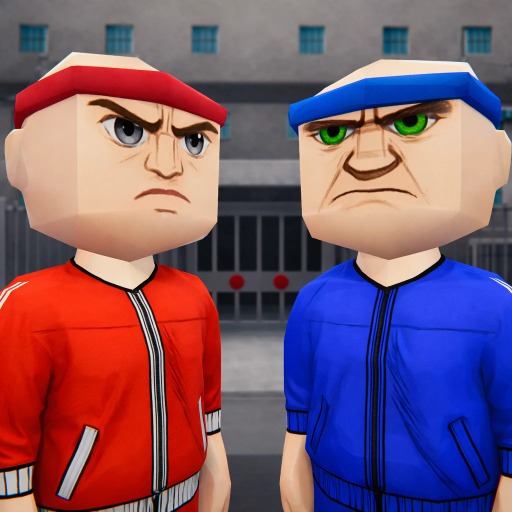
You spawn into a city already split between two crews, and the match quickly becomes less about pure aim and more about controlling the map. Picking Reds or Blues gives every firefight a purpose, because banks, warehouses, and factories are more than scenery: they fund your next upgrade. That income loop gives the shooting a rough, territorial edge, and it makes losing ground feel expensive in a way many browser shooters never manage. There is a scrappy sandbox feel to the whole thing, from the prison-break setup to the constant pressure to move, defend, and buy smarter gear before the other side snowballs. You can play it aggressively, but the smarter approach is to treat each push like a turf grab. It is at its best when your team actually rotates together and the city turns into a messy back-and-forth street war.
Seat Puzzle Cut The Rope
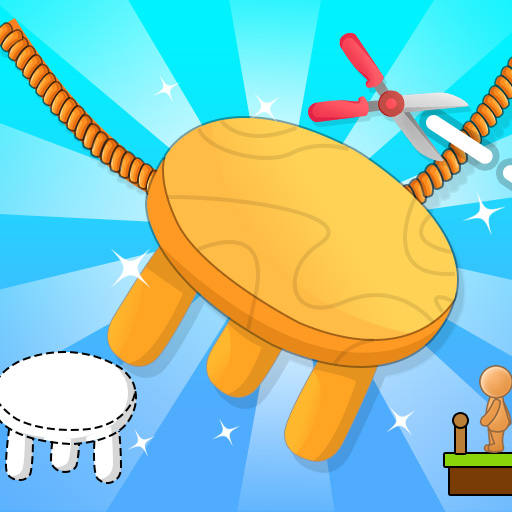
You’re sorting out a surprisingly tidy little logic puzzle where every move has to respect color matching and rope order. Each stage gives you a cluster of tied-up seats and waiting passengers, and the challenge is figuring out which rope to cut first so the right people end up in the right places. It’s less about speed than reading the setup cleanly before you create a mess for yourself. What works here is the clear cause-and-effect: one cut opens space, another blocks a route, and a bad choice can leave the whole arrangement awkwardly jammed. The theme is simple, but it gives the puzzles a physical feel that makes the solutions satisfying. It’s a lightweight brain teaser, yet the better levels make you pause, scan the colors, and think two or three steps ahead instead of just snipping at random.

Hero Match
Instead of treating every board like a color-sorting exercise, you’re juggling puzzle efficiency with a light superhero rescue fantasy. Matches feel tied to forward progress because each cleared set helps push back a cartoonish villain and rebuild famous spots that have clearly taken a beating. That gives the game a satisfying sense of movement, even when the mechanics stay comfortably familiar. The superhero theme keeps the tone bright and breezy rather than overly dramatic, and the restoration angle adds a simple reward loop beyond just chasing high scores. You’ll spend most of your time scanning for cascades and better follow-up moves, not just grabbing the first obvious trio. It’s approachable, but there’s enough structure to make careless play feel wasteful. If you like match-3 games with a bit of world-saving flavor and visible payoffs, this one lands nicely.
Dream Kitchen
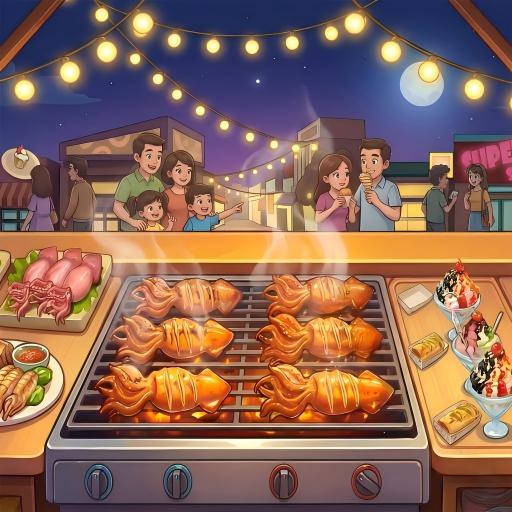
You spend most of your time juggling tiny delays that turn into big problems: a griddle left occupied too long, an order assembled in the wrong sequence, a customer queue that suddenly gets impatient. Dream Kitchen works because it keeps widening the menu without losing that click-fast clarity. One chapter has you managing pancakes, another shifts the rhythm with street-food timing, then later kitchens ask you to balance several stations at once. The star system pushes you to replay levels for cleaner runs rather than just scrape by, and the coin upgrades make a real difference when service starts to snowball. It is still a light, accessible cooking game, but the pressure curve is tuned well enough that you notice yourself getting sharper with each stage. The best moments come when a messy counter somehow turns into a perfect streak.
Clash Crowd Game
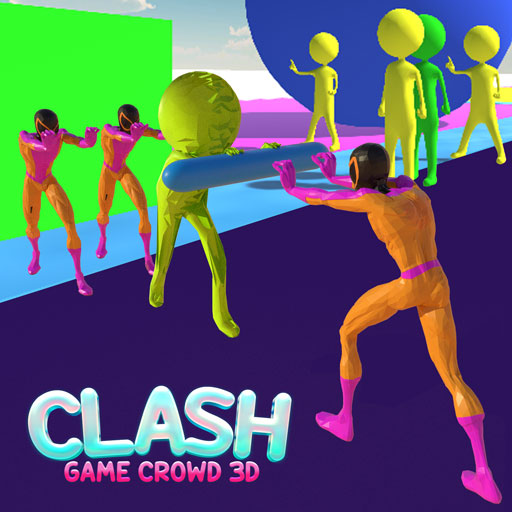
You’re guiding a moving crowd rather than a single runner, and that small twist makes the obstacle course feel more tense than a standard lane-dodger. Every hazard matters because one bad line can shave your group down fast, so the fun comes from reading gaps early and steering with just enough correction. The pace stays light and approachable, but there’s a steady survival pressure as you try to keep enough people together to make the finish. What works here is the simple rhythm: build momentum, thread through traps, recover, repeat. It’s easy to understand in seconds, yet each stretch asks for cleaner movement than you expect. The bright 3D look keeps things readable, which helps when the screen gets busy. If you like short runs built around crowd management and avoiding careless mistakes, this one has a satisfying, no-fuss loop.

Lost Things - Hidden Objects
You’re not racing a clock here; you’re scanning dense illustrated scenes for tiny, cleverly tucked-away items and gradually opening more of the map as your list shrinks. Lost Things - Hidden Objects leans into the pleasure of patient searching rather than challenge spikes, so the appeal comes from how busy each area feels and how often an object is hiding in plain sight. The animal-filled, character-packed artwork gives every screen a storybook clutter that keeps your eyes moving. What works especially well is the sense of progression: each batch of finds pushes you into a fresh section, which makes long sessions feel steady instead of repetitive. It’s a calm puzzle game that rewards focus, pattern recognition, and a willingness to slow down. If you like hidden object games that feel cozy and expansive instead of stressful, this one understands the assignment.
Tic Tac Toe - Match Three
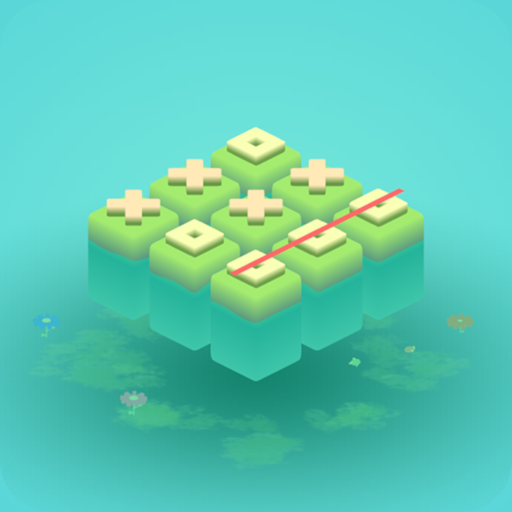
You’re not just filling a three-by-three grid here; you’re reading tempo, baiting mistakes, and deciding when to block instead of chase your own line. This version keeps the familiar XO foundation but frames each round more like a compact pattern puzzle, so every placement feels heavier than it does in a throwaway schoolbook match. The appeal is in how quickly the board turns from obvious to tense. One careless move can hand over the center, open a fork, or waste the only square that mattered. It’s simple enough for kids to understand immediately, but it still rewards players who notice board shape and think one move ahead. Sessions stay short, which makes rematches easy, and that quick reset is part of the hook. You lose, spot the mistake, and want another round right away.
Travel Mahjong Deluxe
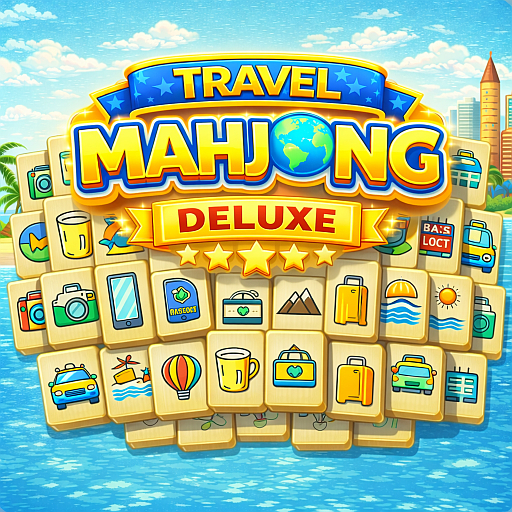
You spend most of your time scanning for exposed pairs, but the travel theme gives the usual mahjong loop a lighter, postcard-like feel. Suitcases, landmarks, and vacation-flavored icons make the board easy to read without turning every layout into visual clutter. What keeps it engaging is the steady shift in board shapes: some rounds open up quickly, while others punish careless early matches and leave key tiles buried. The hint option is useful, but the better rhythm is learning to pause before every click and protect your future moves. It’s a calm puzzle game, though not a sleepy one; you’re constantly weighing obvious pairs against the ones that actually free the board. If you like matching games with low pressure but real sequencing decisions, this one stays satisfying longer than its gentle presentation suggests.

Cars with Guns: Wasteland Showdown
Every run feels like a scrappy job in a ruined desert where your car is both transport and weapon. You’re taking contracts, chasing cash, and trying to come back with enough loot to justify the damage you take along the way. The driving has a rough hill-climb rhythm, so success isn’t just about speed; it’s about keeping momentum over broken terrain while lining up shots on enemies before they crowd your flank. What stands out is the balance between racing ahead and managing risk. Push too hard and you’ll bounce into trouble with no control, but play too cautiously and you lose the pace that keeps you alive. The money-and-reputation loop gives each trip a purpose, and the wasteland theme works because everything feels improvised, harsh, and a little unstable in the right way.

Ayla World Princess life
You’re here to fuss over the fun details: picking outfits, matching accessories, and giving your princess look a polished finish with manicure options that feel like part of the same makeover instead of a separate mini-game. The appeal is less about challenge and more about playing stylist at your own pace, trying combinations until something clicks. Because the theme leans fully into royal fashion, the most satisfying moments come from coordinating color, hair, and nail choices into one complete look rather than swapping random pieces. It’s light, playful, and clearly aimed at players who enjoy experimenting without pressure or timers. If you like dress-up games that keep the focus on cute customization and easy, relaxed decisions, this one delivers a soft, princess-centered loop that works well in short sessions.
Arcade GP
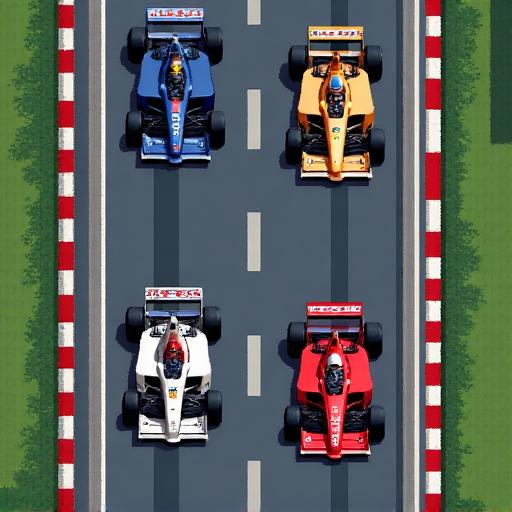
You’re not just hugging the inside line and hoping for the best here. This top-down Formula 1 racer adds a layer of race management that gives each lap some tension, because pushing too hard can punish your tires long before the finish. The retro presentation keeps the track readable at speed, and that matters when you’re threading through corners while watching rivals and thinking about when to pit. The AI pressure is steady without turning every race into chaos, so wins feel earned through cleaner decisions rather than random contact. What stands out most is how the pit stop element changes the rhythm: you’re constantly weighing short-term pace against staying out too long. It’s a compact racing game, but it captures that satisfying split between driving skill and race strategy better than most simple browser racers.

Earth Defender
You spend most of your time reading angles instead of chasing targets outright. Your ship loops around Earth while rocks close in from different sides, and the whole challenge is judging when to reverse direction so you meet each threat cleanly. That simple one-tap idea gives the game a nice arcade rhythm: short sessions, quick failures, and a constant urge to beat your last run. What makes it work is the tension between movement and timing. Turn too early and you drift out of position; wait too long and a meteor slips through. The space theme is stripped down, but it fits the gameplay well because your attention stays on the planet at the center and the dangerous gaps opening around it. If you like score-chasing games that ask for focus more than complexity, this one is easy to click with.
Color Conquest: Territory War
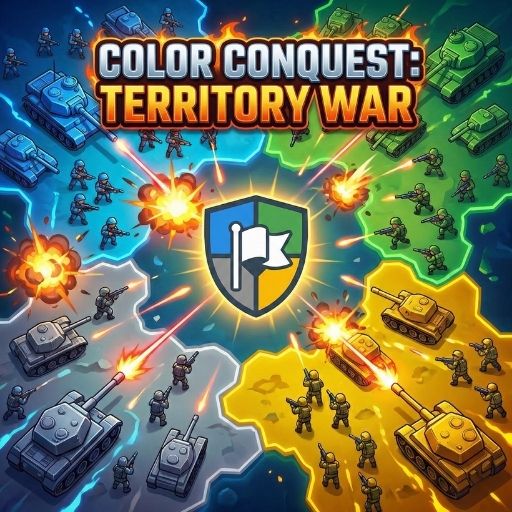
You spend most of your time reading the map rather than staring at individual fights, and that is what makes this territory battler work. Each faction changes the rhythm in a noticeable way: grey rewards slower, sturdier pushes, green lets you flood weak points, while blue and yellow sit in the middle and give you fewer excuses. The interesting part is how neutral zones pull you into risky expansion. Grabbing them boosts your capacity, but every stretch outward leaves something exposed, so overcommitting gets punished fast. Matches feel like a tug-of-war between greed and stability, with the camera constantly shifting to the next fire you need to put out. It is simple enough to understand in a minute, yet the faction differences and map control decisions give it more bite than a basic send-your-army skirmish.
Tap-Hold
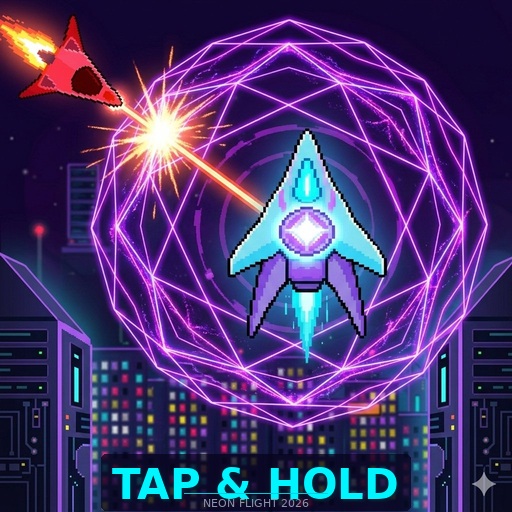
You spend the whole run riding a simple risk-reward rhythm: press to climb, let go to drop, then thread that movement through a neon obstacle course that gets tense faster than it first appears. The shooting label undersells it a bit; this feels more like a survival flyer where precision matters more than aggression. Coins tempt you into awkward lines, and the best moments come when you commit to a dangerous pickup route and barely squeeze back to safety. Power-ups break the pressure just enough to keep runs from feeling flat, while unlockable characters give you a decent reason to chase one more attempt. What works is the pace. It never asks for complicated inputs, but it does demand clean timing and a feel for momentum. One sloppy correction can turn a comfortable run into a crash, which makes every longer stretch feel earned.
Mafia Sniper Crime Shooting
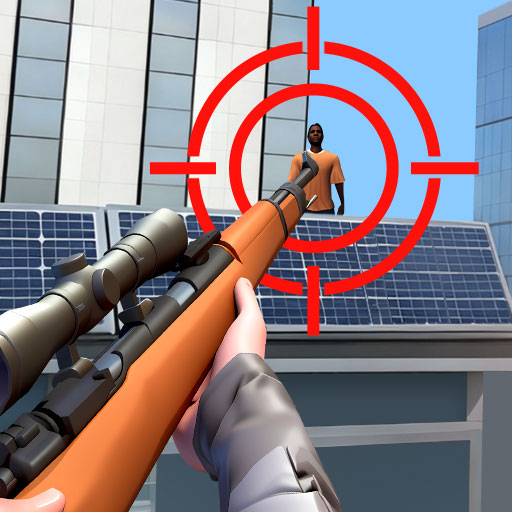
You spend most of your time lining up careful shots from a fixed vantage point, picking out mob targets before the scene gets too crowded or chaotic. The appeal here is the stop-and-shoot rhythm: pause, scan the street, confirm the mark, then commit. Because it leans on clean target-taking rather than gore or heavy realism, the focus stays on timing and accuracy instead of shock value. That makes each mission feel more like a test of observation than a pure reflex challenge. The mafia theme gives it a pulpy crime-movie flavor, but the actual play is simple and readable, which suits shorter sessions. If you like sniper games that keep the pressure manageable and let you enjoy the satisfaction of a well-placed shot, this one delivers a straightforward arcade version of that fantasy without bogging you down in clutter.
Archery Master - Bow and Arrow
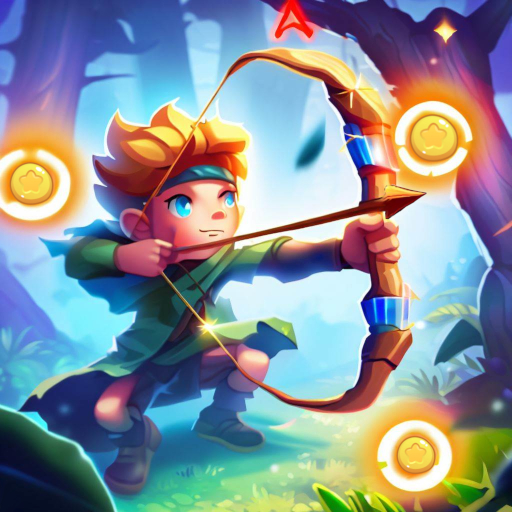
Landing clean shots matters more here than firing fast. You spend most of your time judging angle, pull strength, and the tiny pause before release, while other archers try to drop you first. That mix of target practice and duel pressure gives the game its hook: every hit feels earned, especially when you stop rushing and start reading the arc of each arrow. Coins and score give you a reason to keep going, but the real appeal is the steady improvement in your aim from round to round. It has a simple arcade structure, yet the tension comes from small corrections rather than chaos. If you like shooters that reward patience over spray-and-pray reflexes, this one lands nicely. Miss high or release too early, and you immediately feel why precision matters.
Sky Assault
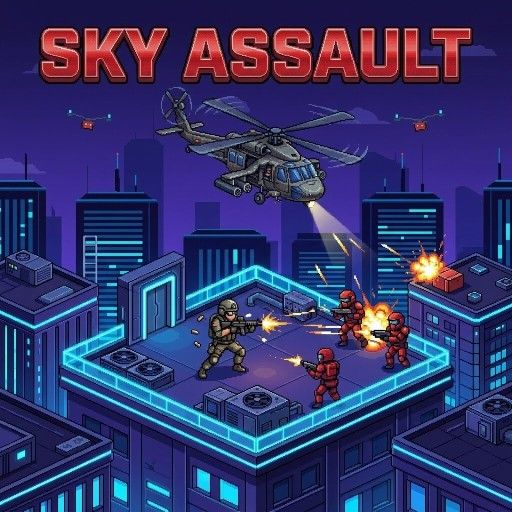
You start with the worst kind of advantage: a drop into a tower full of enemies and nowhere to retreat but down. What makes Sky Assault work is the pressure of that descent. Each floor feels like a quick tactical problem, asking whether you should clear space carefully or push fast before you get boxed in. The neon high-rise look gives it a sharp arcade identity, but the real hook is how the random floor layouts keep you from settling into autopilot. Enemy variety matters here, because you keep adjusting to different attack patterns instead of mowing through the same targets forever. Boss fights breaking up the run every few levels help the pace, and crate looting adds a small risk-reward choice when you're low on ammo. It feels lean, readable, and tense in the way a good score-chasing shooter should.