
All Games
Discover 109 games to play right in your browser — no downloads needed.

Dessert DIY
Running the counter here is less about speed and more about clean, correct assembly. Each order asks you to build a specific dessert in the right sequence, so the appeal comes from noticing what the customer wants and not skipping a step. The bright, toy-like kitchen keeps things light, but the loop has a satisfying rhythm: choose ingredients, place them carefully, finish the presentation, collect coins, then check what the shop unlocks next. Because every request works like a small visual checklist, it feels more like a relaxing process game than a hectic restaurant sim. You'll likely keep playing for the small satisfaction of completing an order neatly without wasted motions. It's simple on purpose, colorful without being noisy, and surprisingly easy to settle into if you enjoy repetitive, hands-on tasks with a steady trickle of rewards.
Soccer Duel
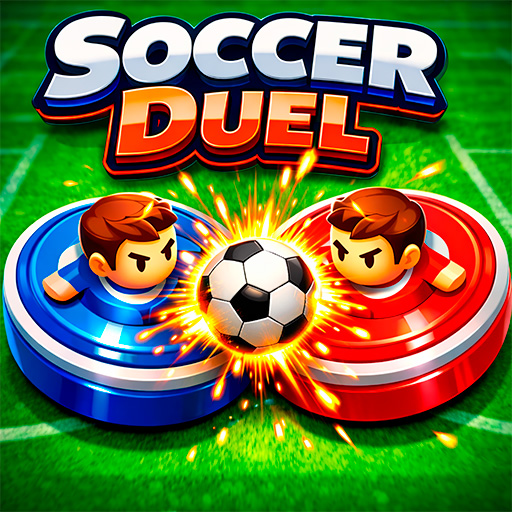
You’re not managing a full squad here; you’re locked into a compact, reactive football faceoff that feels closer to tabletop rivalry than a long-form sim. Each match is about sharp positioning, quick deflections, and reading the next bounce before your opponent does. Playing solo works as a fast arcade challenge, but the real appeal is how instantly competitive it becomes with two players sharing a device or meeting online. The controls are simple enough for younger players, yet the timing still matters when the field gets crowded near goal. What stands out is the pace: rounds stay brisk, mistakes turn into scores fast, and every little scramble in front of the net feels tense. It’s a light, accessible football game, but one with enough back-and-forth chaos to keep rematches coming.
Space Craft: Ship War
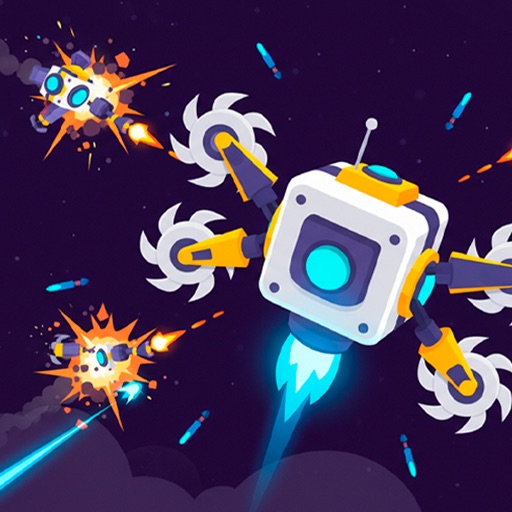
You start with a modest cube-like ship, but the hook is how quickly it turns into a clunky, dangerous space fortress. Each run is about sweeping the map for new sections, weapons, boosters, and upgrades while keeping pace with enemies that are scaling up right alongside you. That constant arms race gives every level a nice tension: overextend for one more module, or play safe and keep your build intact. The best moments come when your ship stops feeling like a starter craft and starts behaving like a drifting weapons platform with its own awkward momentum. It is casual in structure, but there is enough build tinkering to make your choices matter. The bright 3D look and chunky effects suit the toy-box style, and the steady unlocks help the repetition feel purposeful instead of grindy.

Dark Myth: Monkey Merge
You spend most of your time balancing two pleasures here: snapping matching fighters together and watching your upgraded squad survive another ugly wave of monsters. The Monkey King theme gives the whole loop a stronger identity than a generic merge battler, especially once the rescue angle starts pushing you through stages instead of leaving you to grind aimlessly. Every promotion feels tangible because stronger units don’t just look rarer; they help stabilize chaotic fights that can unravel fast if your lineup is uneven. What works best is the pacing. Early rounds teach the combine-and-deploy rhythm quickly, then later pushes ask you to think about when to merge for quality and when to keep numbers on the field. It’s still a straightforward progression game, but the army-building has enough tension to stay engaging across short sessions.
Fury Tanks
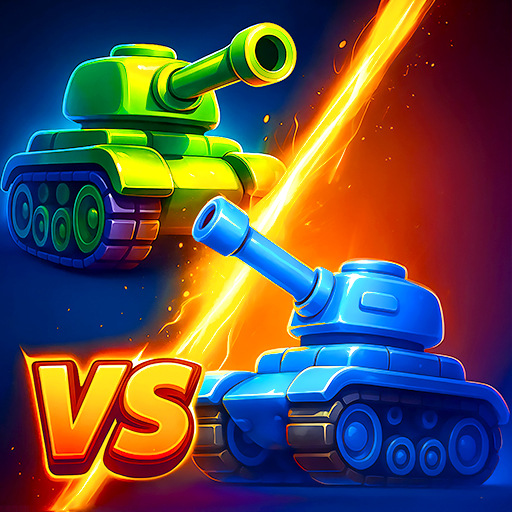
You spend most of Fury Tanks reading the landscape as much as the enemy. Each shot asks you to judge angle, power, and the shape of the hills between you and the opposing tank, so the match feels more like a measured artillery duel than a noisy arcade shooter. The upgrade hook helps too: stronger armor gives you a little room for error, while cannon boosts make clean hits feel properly heavy. What stands out is the pacing. There is enough pause between attacks to think through the next arc, but not so much that rounds drag. Miss badly and you usually know why, which makes the retry loop satisfying instead of random. It is a simple setup, but the mix of terrain, aim adjustment, and tank customization gives each exchange a tactical feel that suits short browser sessions.

Find Hidden Cats
You’re staring at clean black-and-white city scenes, but the longer you look, the more they start playing tricks on you. Hidden Cats works because it keeps the idea simple: each illustration asks you to pick out 20 cats tucked into rooftops, windows, signs, and other busy little details. The European postcard vibe gives every screen personality without cluttering it with color, so your eyes have to work a bit harder. Some cats jump out immediately; others blend into the line art so well that you’ll circle the same area twice before spotting them. That makes the pacing nicely mellow rather than frantic. It’s a casual search game that understands the appeal of slow observation, and the small cat count per scene keeps each round satisfying instead of exhausting.

Arrow Puzzle
You’re working through compact maze boards where every move matters, and the appeal comes from reading the layout before you commit. Each arrow feels like a small promise: tap it at the right moment and the board opens up; tap too soon and you can trap useful routes for later. That gives Arrow Puzzle a calm, methodical rhythm instead of a frantic one. It’s less about speed than spotting which pieces are truly available and which ones only look safe at first glance. The maze theme helps the logic stand out, because clearing space gradually makes the whole board easier to read. What keeps it interesting is that satisfying chain reaction when one correct choice frees several more. It’s a simple premise, but the order of actions gives it enough bite to stay engaging without losing its relaxed, tidy feel.
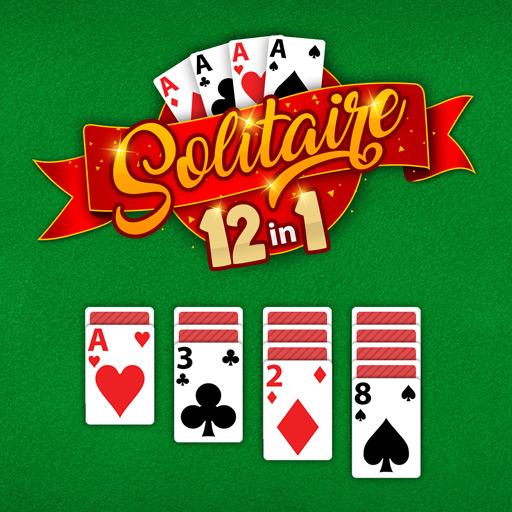
12-in-1 Solitaire
You’re not settling into one familiar stack-building routine here; you’re bouncing between a full set of solitaire variants, and that variety is the whole appeal. Some rounds reward steady clearing and patience, while others tighten the board early and make every move feel expensive. The collection format works well because it lets you switch styles before a losing streak gets stale, then come back sharper. I liked how it preserves the quiet, methodical feel solitaire fans want while still giving you a reason to experiment beyond standard Klondike habits. If you mainly play card games to relax, this is easy to sink time into, but it also has enough scoring and daily-play energy to keep you chasing cleaner finishes. More than anything, it’s a solid all-in-one solitaire hub when you want options without learning a whole new card game.

Arrow Escape
You’re not racing the clock here so much as trying not to outsmart yourself. Each stage in Arrow Escape feels like a compact logic trap: a maze of directional cues that looks simple at first, then forces you to slow down and trace consequences before committing. The hook is how a single wrong assumption can send you the long way around or box you into a dead end, so progress comes from reading the layout clearly rather than guessing. That makes it a good fit for puzzle players who enjoy short levels with a clean, low-pressure presentation. The arrow theme keeps the challenge focused, and the kid-friendly tone helps it stay approachable even when a solution takes a few tries. It’s a small-scale brain teaser, but the satisfaction comes from spotting the route the level has been quietly hiding from you.
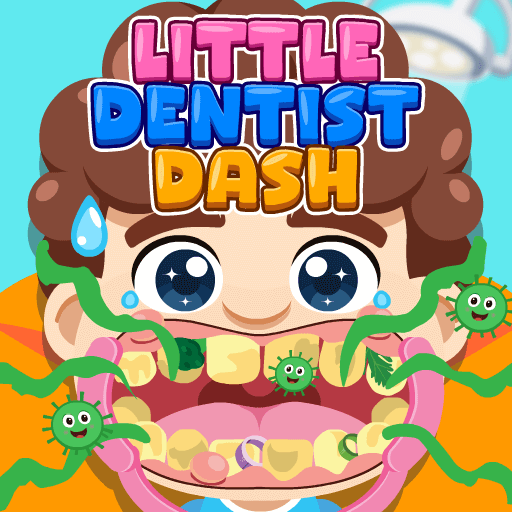
Little Dentist Dash
You spend your time hustling from one young patient to the next, handling a steady stream of tooth troubles in a bright, kid-focused dental clinic. The appeal here is the mix of light time pressure and fussy little procedures: one moment you're dealing with a damaged tooth, the next you're lining things up so braces sit properly. It plays less like a realistic simulator and more like a fast, tidy multitasking game where attention matters. That works in its favor. The kid-friendly theme keeps everything soft and approachable, while the dental tasks give each round enough variety to stay interesting. What stood out to me is how the game leans on speed without becoming stressful; you still need to notice what each patient needs and avoid sloppy mistakes. If you like casual management games with a clear routine and a slightly unusual theme, this one is easy to settle into.
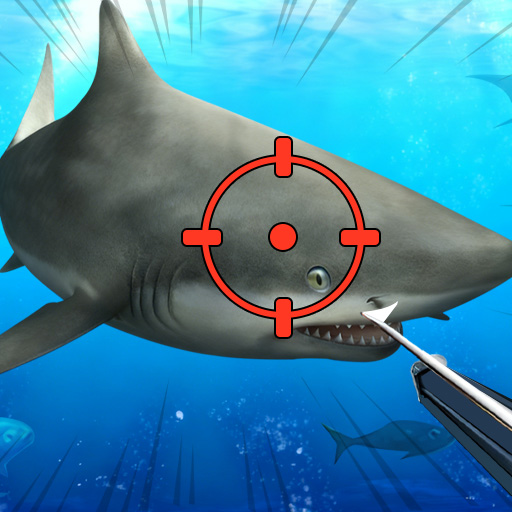
Hunter Underwater Spearfishing
Instead of rushing from target to target, you spend most of your time watching the water and waiting for a clean line. Hunter Underwater Spearfishing leans into that quiet, slightly tense feeling of seeing a fish drift just far enough away to make you hesitate. The rhythm is simple, but it works: scan, track, commit, then deal with the sting of a shot you released half a second too early. What keeps it interesting is how the underwater setting slows your thinking down. You start noticing angles, spacing, and which fish are worth taking now versus letting them settle into an easier path. That makes the game feel more like a stripped-down hunting sim than a browser action piece. It is best in short bursts, especially when you want something focused and low-pressure without turning your brain off.

Gummy merge
Your board fills with glossy little gummies, and the trick is knowing when to combine them and when to let them sit earning. Gummy Merge works best as a small planning game disguised as a cute candy toy: each higher-tier sweet boosts your income, so every merge changes both your layout and your long-term rate. You are constantly weighing space against value. Early on, it is tempting to fuse everything the moment a match appears, but the board gets better when you build toward cleaner chains instead of quick fixes. That push-pull gives the game its rhythm. The candy theme keeps the screen light and playful, yet the real hook is economic housekeeping. Because there is no final level to chase, satisfaction comes from tidying a messy tray of jellies into a smoother, richer setup and watching the coin flow become noticeably faster.
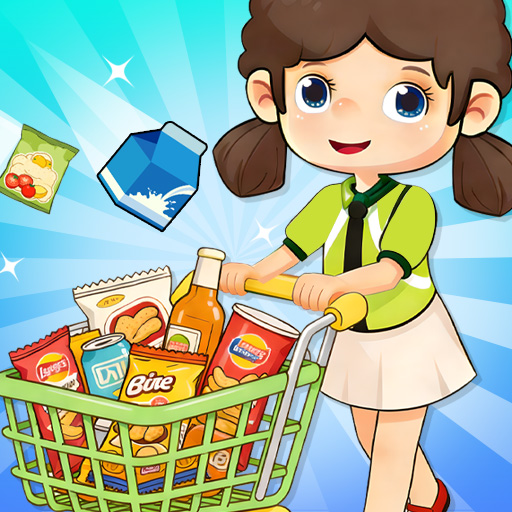
Goods Sorting Shopping Master
What looks like a tidy supermarket puzzler turns into a smart exercise in restraint once your tray starts filling up. You pick visible items from crowded shelves and try to make sets of three, but the real challenge is deciding which product to expose next. Every can, bottle, or box you take changes the board, opening better matches or clogging your limited holding space with awkward leftovers. Because the items are everyday groceries instead of abstract icons, you can actually track where likely pairs are hiding and build small plans around them. The satisfying moments come when one careful pick unlocks a chain of clean clears across a whole row. It stays calm, but it never plays itself. If you keep tapping whatever is closest, the tray becomes a mess fast. This is a relaxed puzzle on the surface, with a surprisingly strict lesson about sequencing underneath.