
Casual
Discover 44 games to play right in your browser — no downloads needed.
Build an Aquapark
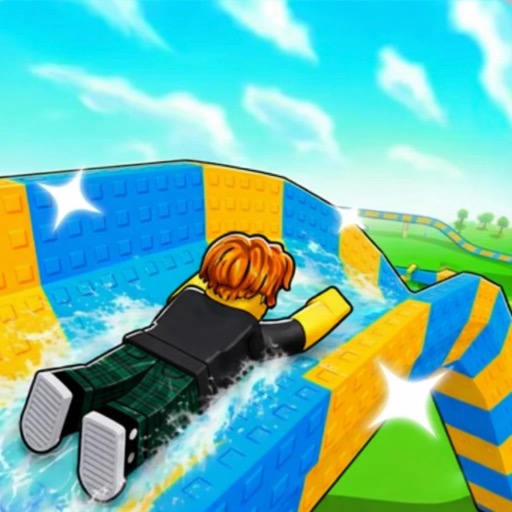
You’re piecing together a water slide one section at a time, then immediately testing whether your latest idea is brilliant or a complete mess. That build-and-ride loop is what makes Build an Aquapark click. Instead of managing a huge park, you focus on shaping the actual course, adding new parts, extending the run, and chasing that sweet spot between length, speed, and survivability. The fun comes from seeing how each addition changes the feel of the ride, especially when a layout looks clever in theory but turns awkward once you send a ring down it. It has a light, playful tone, but there’s still a bit of problem-solving in how you connect pieces and spend upgrades. If you like casual builders that give you fast feedback and let you experiment without much friction, this one has an easy rhythm that keeps pulling you into one more run.

Clay Craft Tycoon
You’re juggling a surprisingly satisfying little production line here, and the appeal comes from watching every step of the business start to click together. Raw clay turns into useful stock, your warehouse fills up, and the money only really starts flowing once you keep those stages balanced instead of overbuilding one corner of the factory. What makes it work is the theme: shaping humble materials into everyday pottery gives the whole tycoon loop a more hands-on feel than the usual generic idle business setup. Daily objectives add structure, so you’re not just waiting for numbers to rise, and each expansion feels like a practical upgrade rather than busywork. It stays light and approachable, but there’s enough management to keep you thinking about throughput, storage, and sales timing. If you like casual tycoons with a clean loop and steady sense of growth, this one lands nicely.
Bingo Halloween
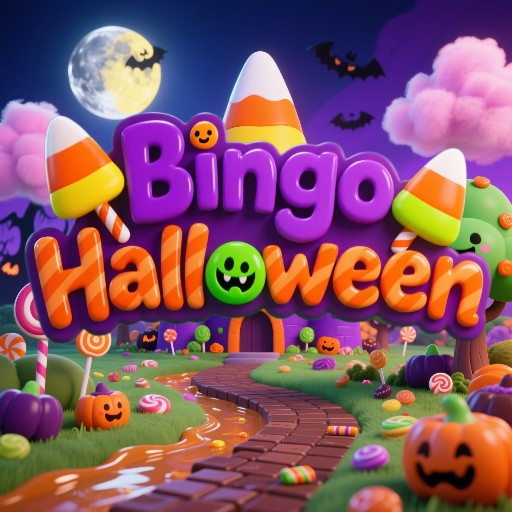
You’re not here for jump scares; you’re here to settle into a brisk round of bingo with a Halloween coat of paint and a steady little reward loop. Numbers roll in, you scan your card, and the real rhythm comes from staying focused as the call speed picks up. The seasonal theme is light and playful rather than creepy, with candy-flavored unlocks giving each win a small sense of progress beyond the next card. What works is how clean the structure feels: mark spaces, build lines, chase the bingo, then keep going to reveal more themed images. It lands somewhere between a casual board game and a concentration exercise, which makes it easy to play in short bursts. If you like puzzle games that rely on attention instead of reflexes, this one has a simple, cozy groove.

Fun Mini Games For Kids
You’re bouncing between several light activities instead of settling into one long session, and that’s the whole appeal here. One moment you’re sorting shapes, the next you’re tidying a room, picking outfits, or poking around in a simple doctor-themed task. The collection clearly aims at younger players, so nothing feels punishing or rushed. Each mini-game is built around quick recognition, basic choices, and bright visual feedback that keeps things moving even when the idea is very simple. What stands out is the variety of pretend-play themes mixed with easy puzzle prompts, which gives the game a scrapbook feel rather than a strict arcade structure. It’s best approached as a grab bag for short attention spans: you try one activity, finish in a minute or two, then hop to another. That loose rhythm works well, even if some mini-games are much thinner than others.
Jigsaw Cards: Daily Puzzles
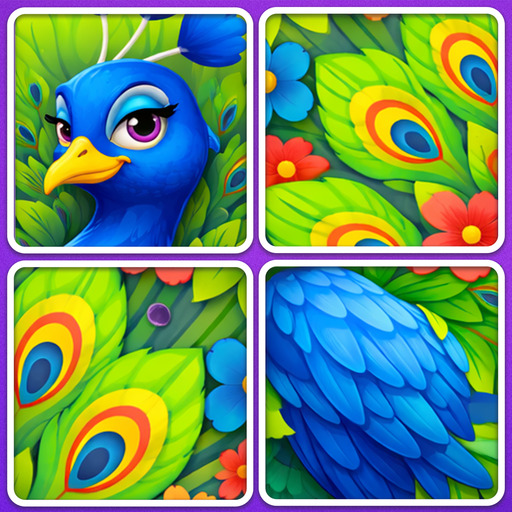
This daily puzzle setup works because it keeps the focus on small, satisfying wins instead of marathon sessions. You’re piecing together illustrated scenes from scattered card-like fragments, and the pleasure comes from spotting tiny color transitions, edge cues, and repeated textures before the image fully reveals itself. The daily structure gives each puzzle a clear reason to come back, while the presentation stays calm and uncluttered. It feels closer to a tabletop picture puzzle than a frantic mobile brain teaser, which suits the pace. You’ll spend most of your time scanning for visual anchors rather than racing a clock, and that makes every completed section feel earned. If you like puzzle games that let you settle in, observe carefully, and finish with a clean sense of closure, this one understands the assignment without overcomplicating a simple idea.
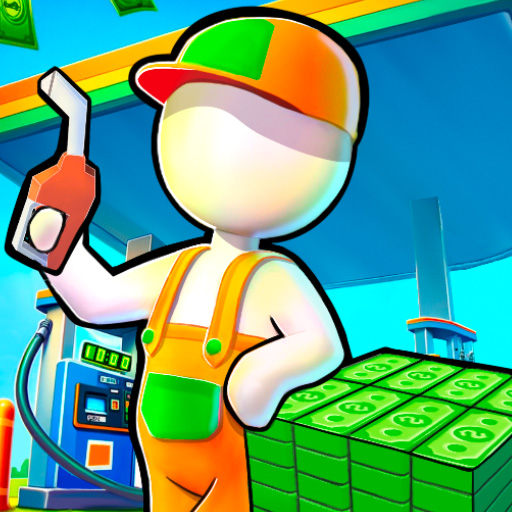
Gas Station - Stick Simulator
Running this roadside station feels less like a tycoon spreadsheet and more like a steady, hands-on hustle. You’re juggling arriving cars, fueling them quickly, and turning each small payout into the next useful expansion. What makes it click is the way the station grows in clear stages: first the pumps matter, then extra services start stacking on top, from a shop to food and other customer stops. The stick-figure style keeps things light, but the loop has real momentum once traffic picks up and you’re bouncing between jobs. It’s a casual management game that leans on flow rather than pressure, so the fun comes from smoothing out bottlenecks and watching a bare stretch of highway turn into a busy stop. Repetition is part of the design, but the constant visible growth gives those simple tasks a nice payoff.

Molang Match'n Munch
You’re mostly here for the mood, and that works in this puzzle game’s favor. Each board keeps the familiar match-3 rhythm, but the food theme and Molang’s soft, cheerful style make it feel lighter and gentler than the usual jewel-swapping grind. The ingredient-collecting hook gives the levels a bit more purpose, so you’re not just clearing pieces for the sake of it. What stands out is how relaxed the pacing feels: it’s built for short sessions, easy resets after mistakes, and satisfying little chain reactions rather than constant pressure. Younger players can settle into it quickly, while older players will probably appreciate how readable the boards are and how cleanly the goals come across. It’s not trying to reinvent match-3 design. It just delivers a cute, snack-filled puzzle loop with enough charm to keep the formula from feeling stale.

Bunny Blox
You’re juggling two puzzle skills at once here: lining up color groups and managing falling pieces before the stack gets messy. Bunny Blox feels closer to a block-drop puzzle than a laid-back match game, so there’s a nice bit of pressure in every placement. You’ll be shifting each piece into position, turning it to fit awkward gaps, then dropping it fast when you’ve spotted a clean setup. The rabbit theme keeps things light, but the real hook is how quickly simple matches turn into board control. Special bonuses matter more than raw speed, especially once the playfield starts to crowd and careless drops leave dead space behind. It’s easy to read, easy to start, and just demanding enough to make you chase a better run. If you like puzzle games that reward tidy thinking over frantic clicking, this one has a solid rhythm.
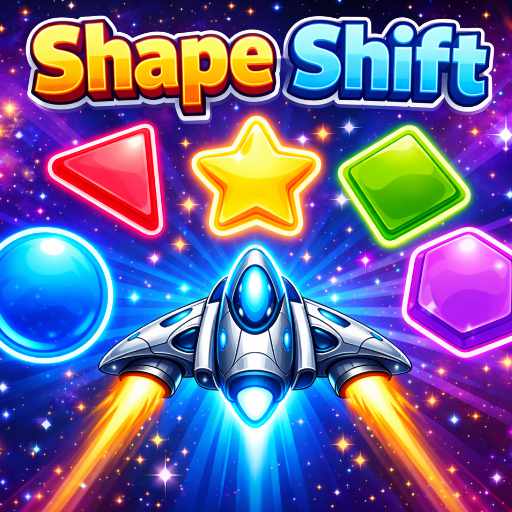
Shape Shift
You spend most of Shape Shift scanning two things at once: the swarm of floating pieces ahead of you and the small rule change that can ruin a good run in a second. It starts simply, steering a ship through bright space and picking up matching objects, but the hook is how often the target flips between different shape-and-color combinations. That constant switch gives the game a nice twitchy tension without making it complicated. You are not memorizing patterns so much as staying mentally flexible, because the mistake is usually grabbing what was correct a moment ago. The space theme is light and colorful, and that works well for a game built around quick visual sorting. It feels closest to an arcade concentration test: short, readable, and just demanding enough to make you chase a cleaner score.
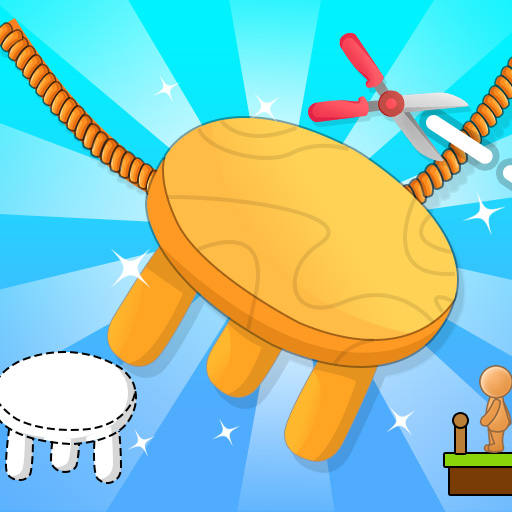
Seat Puzzle Cut The Rope
You’re sorting out a surprisingly tidy little logic puzzle where every move has to respect color matching and rope order. Each stage gives you a cluster of tied-up seats and waiting passengers, and the challenge is figuring out which rope to cut first so the right people end up in the right places. It’s less about speed than reading the setup cleanly before you create a mess for yourself. What works here is the clear cause-and-effect: one cut opens space, another blocks a route, and a bad choice can leave the whole arrangement awkwardly jammed. The theme is simple, but it gives the puzzles a physical feel that makes the solutions satisfying. It’s a lightweight brain teaser, yet the better levels make you pause, scan the colors, and think two or three steps ahead instead of just snipping at random.

Hero Match
Instead of treating every board like a color-sorting exercise, you’re juggling puzzle efficiency with a light superhero rescue fantasy. Matches feel tied to forward progress because each cleared set helps push back a cartoonish villain and rebuild famous spots that have clearly taken a beating. That gives the game a satisfying sense of movement, even when the mechanics stay comfortably familiar. The superhero theme keeps the tone bright and breezy rather than overly dramatic, and the restoration angle adds a simple reward loop beyond just chasing high scores. You’ll spend most of your time scanning for cascades and better follow-up moves, not just grabbing the first obvious trio. It’s approachable, but there’s enough structure to make careless play feel wasteful. If you like match-3 games with a bit of world-saving flavor and visible payoffs, this one lands nicely.
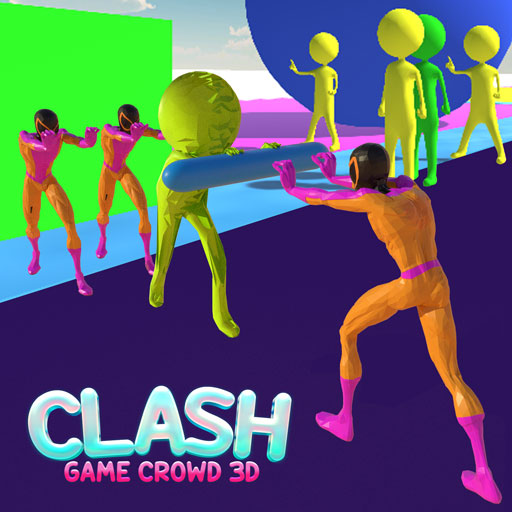
Clash Crowd Game
You’re guiding a moving crowd rather than a single runner, and that small twist makes the obstacle course feel more tense than a standard lane-dodger. Every hazard matters because one bad line can shave your group down fast, so the fun comes from reading gaps early and steering with just enough correction. The pace stays light and approachable, but there’s a steady survival pressure as you try to keep enough people together to make the finish. What works here is the simple rhythm: build momentum, thread through traps, recover, repeat. It’s easy to understand in seconds, yet each stretch asks for cleaner movement than you expect. The bright 3D look keeps things readable, which helps when the screen gets busy. If you like short runs built around crowd management and avoiding careless mistakes, this one has a satisfying, no-fuss loop.

Earth Defender
You spend most of your time reading angles instead of chasing targets outright. Your ship loops around Earth while rocks close in from different sides, and the whole challenge is judging when to reverse direction so you meet each threat cleanly. That simple one-tap idea gives the game a nice arcade rhythm: short sessions, quick failures, and a constant urge to beat your last run. What makes it work is the tension between movement and timing. Turn too early and you drift out of position; wait too long and a meteor slips through. The space theme is stripped down, but it fits the gameplay well because your attention stays on the planet at the center and the dangerous gaps opening around it. If you like score-chasing games that ask for focus more than complexity, this one is easy to click with.

Dessert DIY
Running the counter here is less about speed and more about clean, correct assembly. Each order asks you to build a specific dessert in the right sequence, so the appeal comes from noticing what the customer wants and not skipping a step. The bright, toy-like kitchen keeps things light, but the loop has a satisfying rhythm: choose ingredients, place them carefully, finish the presentation, collect coins, then check what the shop unlocks next. Because every request works like a small visual checklist, it feels more like a relaxing process game than a hectic restaurant sim. You'll likely keep playing for the small satisfaction of completing an order neatly without wasted motions. It's simple on purpose, colorful without being noisy, and surprisingly easy to settle into if you enjoy repetitive, hands-on tasks with a steady trickle of rewards.
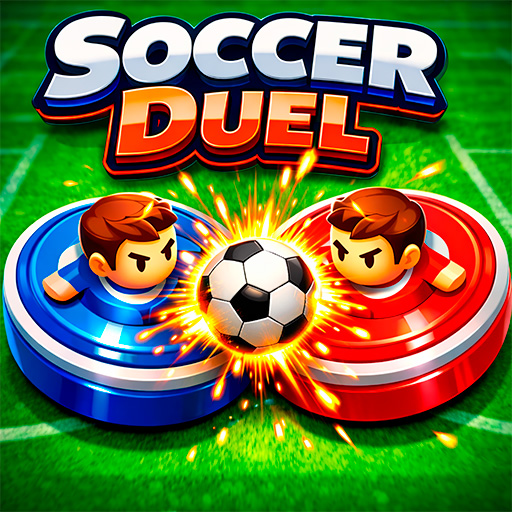
Soccer Duel
You’re not managing a full squad here; you’re locked into a compact, reactive football faceoff that feels closer to tabletop rivalry than a long-form sim. Each match is about sharp positioning, quick deflections, and reading the next bounce before your opponent does. Playing solo works as a fast arcade challenge, but the real appeal is how instantly competitive it becomes with two players sharing a device or meeting online. The controls are simple enough for younger players, yet the timing still matters when the field gets crowded near goal. What stands out is the pace: rounds stay brisk, mistakes turn into scores fast, and every little scramble in front of the net feels tense. It’s a light, accessible football game, but one with enough back-and-forth chaos to keep rematches coming.
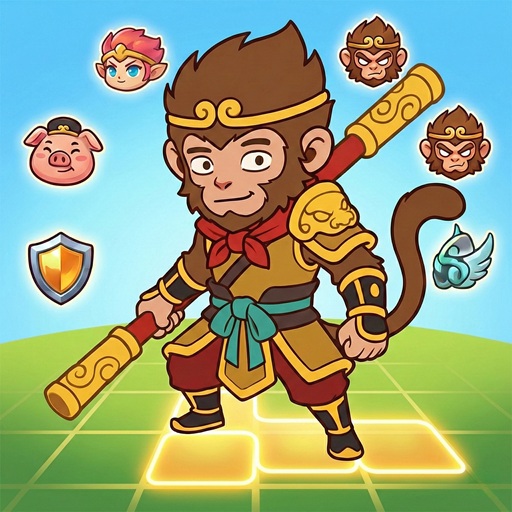
Dark Myth: Monkey Merge
You spend most of your time balancing two pleasures here: snapping matching fighters together and watching your upgraded squad survive another ugly wave of monsters. The Monkey King theme gives the whole loop a stronger identity than a generic merge battler, especially once the rescue angle starts pushing you through stages instead of leaving you to grind aimlessly. Every promotion feels tangible because stronger units don’t just look rarer; they help stabilize chaotic fights that can unravel fast if your lineup is uneven. What works best is the pacing. Early rounds teach the combine-and-deploy rhythm quickly, then later pushes ask you to think about when to merge for quality and when to keep numbers on the field. It’s still a straightforward progression game, but the army-building has enough tension to stay engaging across short sessions.
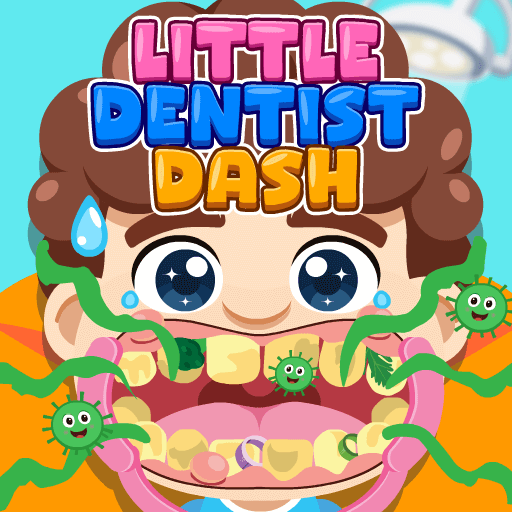
Little Dentist Dash
You spend your time hustling from one young patient to the next, handling a steady stream of tooth troubles in a bright, kid-focused dental clinic. The appeal here is the mix of light time pressure and fussy little procedures: one moment you're dealing with a damaged tooth, the next you're lining things up so braces sit properly. It plays less like a realistic simulator and more like a fast, tidy multitasking game where attention matters. That works in its favor. The kid-friendly theme keeps everything soft and approachable, while the dental tasks give each round enough variety to stay interesting. What stood out to me is how the game leans on speed without becoming stressful; you still need to notice what each patient needs and avoid sloppy mistakes. If you like casual management games with a clear routine and a slightly unusual theme, this one is easy to settle into.
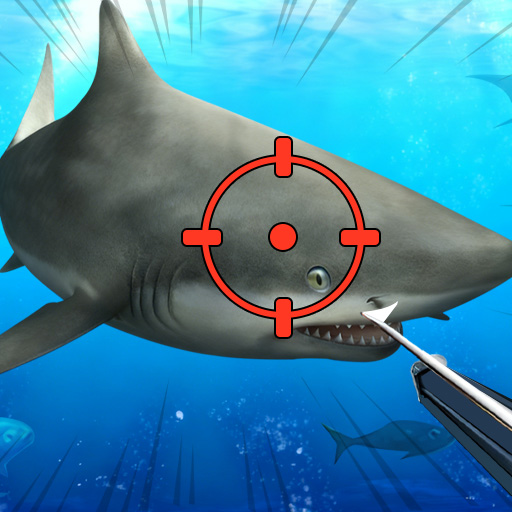
Hunter Underwater Spearfishing
Instead of rushing from target to target, you spend most of your time watching the water and waiting for a clean line. Hunter Underwater Spearfishing leans into that quiet, slightly tense feeling of seeing a fish drift just far enough away to make you hesitate. The rhythm is simple, but it works: scan, track, commit, then deal with the sting of a shot you released half a second too early. What keeps it interesting is how the underwater setting slows your thinking down. You start noticing angles, spacing, and which fish are worth taking now versus letting them settle into an easier path. That makes the game feel more like a stripped-down hunting sim than a browser action piece. It is best in short bursts, especially when you want something focused and low-pressure without turning your brain off.

Gummy merge
Your board fills with glossy little gummies, and the trick is knowing when to combine them and when to let them sit earning. Gummy Merge works best as a small planning game disguised as a cute candy toy: each higher-tier sweet boosts your income, so every merge changes both your layout and your long-term rate. You are constantly weighing space against value. Early on, it is tempting to fuse everything the moment a match appears, but the board gets better when you build toward cleaner chains instead of quick fixes. That push-pull gives the game its rhythm. The candy theme keeps the screen light and playful, yet the real hook is economic housekeeping. Because there is no final level to chase, satisfaction comes from tidying a messy tray of jellies into a smoother, richer setup and watching the coin flow become noticeably faster.
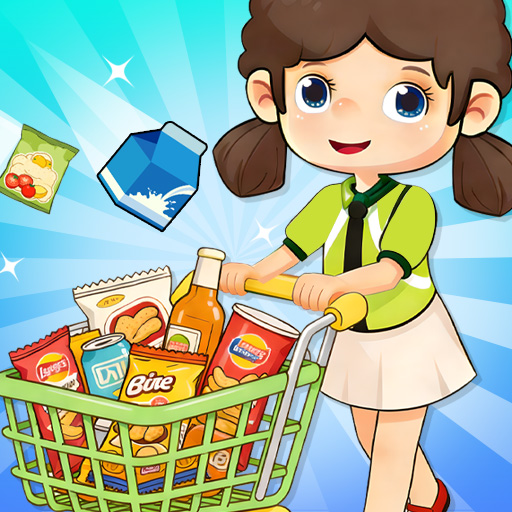
Goods Sorting Shopping Master
What looks like a tidy supermarket puzzler turns into a smart exercise in restraint once your tray starts filling up. You pick visible items from crowded shelves and try to make sets of three, but the real challenge is deciding which product to expose next. Every can, bottle, or box you take changes the board, opening better matches or clogging your limited holding space with awkward leftovers. Because the items are everyday groceries instead of abstract icons, you can actually track where likely pairs are hiding and build small plans around them. The satisfying moments come when one careful pick unlocks a chain of clean clears across a whole row. It stays calm, but it never plays itself. If you keep tapping whatever is closest, the tray becomes a mess fast. This is a relaxed puzzle on the surface, with a surprisingly strict lesson about sequencing underneath.