
Kids Friendly
Discover 51 games to play right in your browser — no downloads needed.
Build an Aquapark
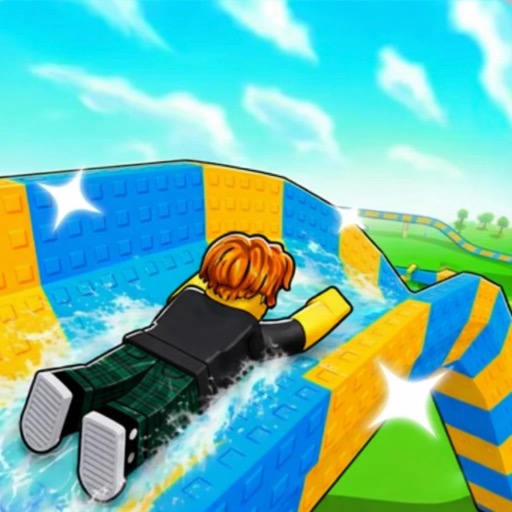
You’re piecing together a water slide one section at a time, then immediately testing whether your latest idea is brilliant or a complete mess. That build-and-ride loop is what makes Build an Aquapark click. Instead of managing a huge park, you focus on shaping the actual course, adding new parts, extending the run, and chasing that sweet spot between length, speed, and survivability. The fun comes from seeing how each addition changes the feel of the ride, especially when a layout looks clever in theory but turns awkward once you send a ring down it. It has a light, playful tone, but there’s still a bit of problem-solving in how you connect pieces and spend upgrades. If you like casual builders that give you fast feedback and let you experiment without much friction, this one has an easy rhythm that keeps pulling you into one more run.

Clay Craft Tycoon
You’re juggling a surprisingly satisfying little production line here, and the appeal comes from watching every step of the business start to click together. Raw clay turns into useful stock, your warehouse fills up, and the money only really starts flowing once you keep those stages balanced instead of overbuilding one corner of the factory. What makes it work is the theme: shaping humble materials into everyday pottery gives the whole tycoon loop a more hands-on feel than the usual generic idle business setup. Daily objectives add structure, so you’re not just waiting for numbers to rise, and each expansion feels like a practical upgrade rather than busywork. It stays light and approachable, but there’s enough management to keep you thinking about throughput, storage, and sales timing. If you like casual tycoons with a clean loop and steady sense of growth, this one lands nicely.
Bingo Halloween
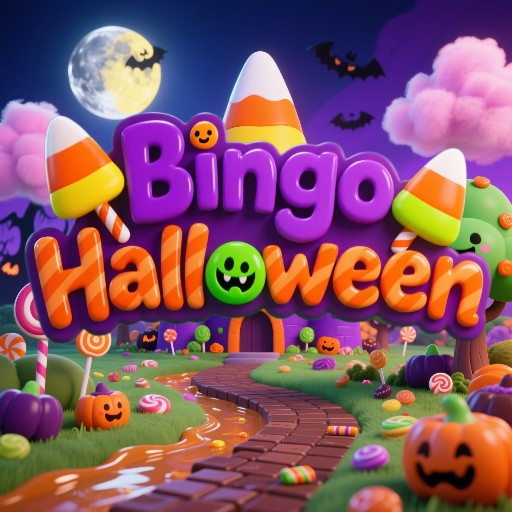
You’re not here for jump scares; you’re here to settle into a brisk round of bingo with a Halloween coat of paint and a steady little reward loop. Numbers roll in, you scan your card, and the real rhythm comes from staying focused as the call speed picks up. The seasonal theme is light and playful rather than creepy, with candy-flavored unlocks giving each win a small sense of progress beyond the next card. What works is how clean the structure feels: mark spaces, build lines, chase the bingo, then keep going to reveal more themed images. It lands somewhere between a casual board game and a concentration exercise, which makes it easy to play in short bursts. If you like puzzle games that rely on attention instead of reflexes, this one has a simple, cozy groove.
Sliding Puzzle
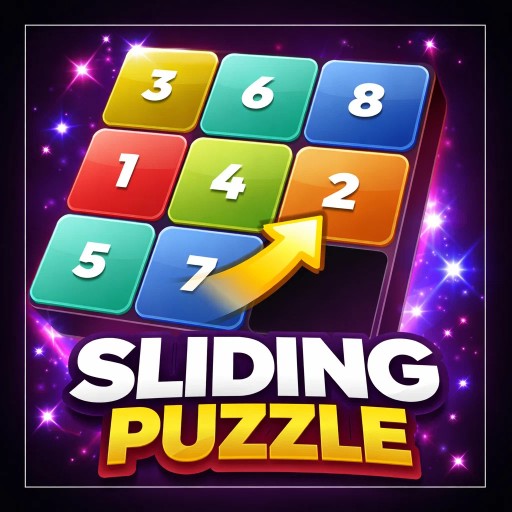
You’re not racing a clock here so much as untangling your own mistakes, and that’s what makes this sliding number puzzle so absorbing. Each board asks you to rebuild numerical order by shifting tiles through a single open space, starting simple on smaller grids before the larger layouts create real traffic jams. The jump from 3x3 to 4x4 and 5x5 matters; bigger boards turn a familiar brain teaser into something more methodical, where one careless move can scatter a nearly solved corner. The clean presentation helps you stay focused, and the optional auto-solve is useful when you want to study the logic instead of brute-forcing it. This version works best as a steady, thoughtful puzzle game: less about flashy pressure, more about spotting patterns, protecting finished rows, and enjoying that moment when the last few tiles finally click into place.
Bottle Logic
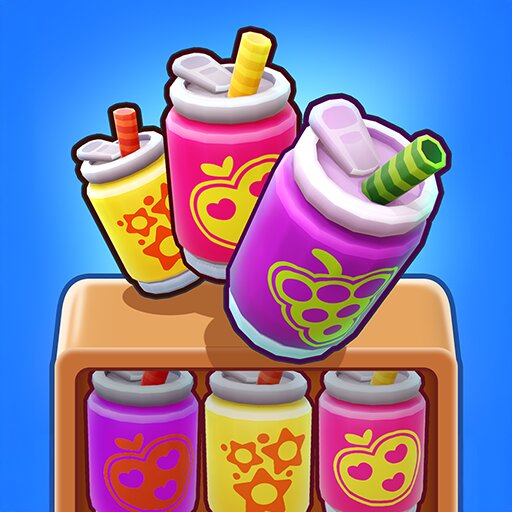
What works here is the steady, almost meditative rhythm of sorting one bottle at a time until a messy layout suddenly clicks into order. You spend each level untangling color stacks, planning a few moves ahead, and protecting the empty space that keeps the whole puzzle solvable. Early stages ease you in, but the larger layouts start punishing careless shuffling and reward patience instead of speed. That makes Bottle Logic feel less like a flashy brain teaser and more like a clean, quietly demanding logic game you can settle into for a while. The huge level count helps, but the real hook is how often a board looks impossible right before the solution reveals itself. Endless mode is a nice extra, though the handcrafted stages are where the puzzle design feels most deliberate and satisfying.

Bubble Shooter Wonders of Egypt
What stands out here is the way it mixes classic bubble-shooting rhythm with a steady score chase. You are not simply clearing clusters until the board is empty; you are pushing to hit score targets before the formation drops too low. That changes the tempo. Early rounds feel forgiving, but once the ceiling starts creeping down, every wasted shot becomes expensive. The Egyptian backdrop is mostly atmosphere, yet it gives the game a calm, moonlit look that fits the measured pace. I liked how the goal meter keeps giving you short-term targets, so runs feel structured instead of endless. The harder modes opening up after stronger scores also give you a reason to sharpen your angles rather than coast through beginner play. If you enjoy bubble shooters that reward efficient clearing over mindless firing, this one has a satisfying, slightly more pressurized loop.
Traffic Tap Survival
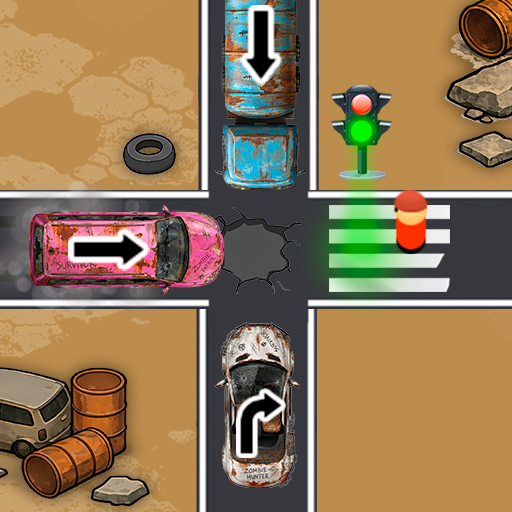
One bad tap can turn a tidy intersection into a pileup, and that constant pressure is what makes this traffic puzzler work. You are not steering cars so much as judging tiny gaps, reading arrow directions, and deciding which vehicle deserves the road first. The survival angle gives each round a brisk, anxious rhythm: clear one dangerous crossing, then immediately scan for the next mistake waiting to happen. Tight turns and busy junctions keep the challenge focused on timing rather than speed alone, so reckless tapping usually causes the chaos you're trying to prevent. What stands out is how quickly you start thinking like a traffic controller, spotting routes, predicting conflicts, and holding one car back so three others can slip through cleanly. It is simple to understand, but staying calm when the screen gets crowded is the real test.
Vortex Ball
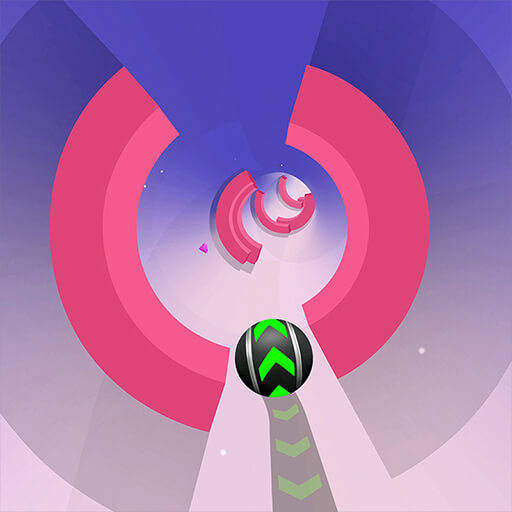
You’re steering a ball through a neon tube that keeps changing color, speed, and rhythm just enough to throw off your timing. What makes Vortex Ball work is the way it mixes simple lane-dodging instincts with the pressure of an endless run: the farther you last, the more the tunnel starts to feel hostile. Obstacles arrive in patterns that tempt you to panic-swerve, and that usually ends the run faster than the obstacle itself. The gem chase adds a nice layer because you’re not only playing for distance; you’re also weighing safe survival against risky pickups that help unlock more ball skins. It’s a tough agility game, but not a messy one. Failures feel like your mistake, usually from overcorrecting or getting greedy, and that makes restarting feel immediate instead of frustrating.
Pool Duel
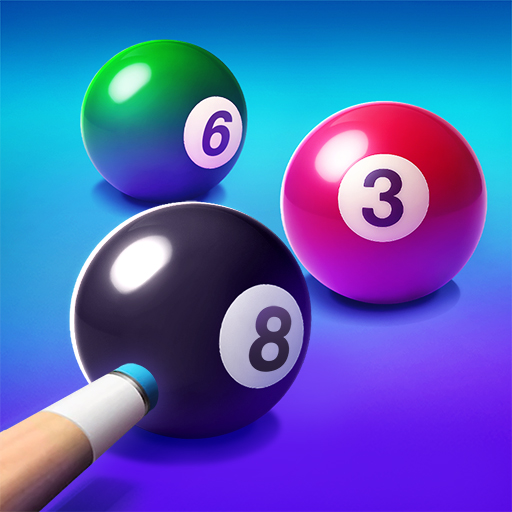
Every rack in Pool Duel feels tighter because the shot clock is always in the back of your mind. You are not just lining up easy pots; you are managing angle, pace, and position so your next visit to the table does not turn into a scramble. The alternating solids-and-stripes setup keeps it familiar, but the pressure comes from making clean decisions before time runs out. A rushed shot can hand over control immediately, and that gives each miss more bite than in a laid-back pool game. What stands out is the balance between simple rules and punishing tempo. You can settle into a rhythm, but only if your cue control stays disciplined. It works best as a quick competitive sports game where precision matters more than flashy trick shots, and where a calm approach usually beats reckless confidence.

GT Traffic Racer
You spend most of your time threading fast cars through packed highway lanes, and that constant near-miss rhythm is what makes GT Traffic Racer work. The handling leans arcade, but there’s enough weight in the traffic flow that reckless weaving gets punished quickly. What stands out is the mix of long straight runs, nitro-assisted overtakes, and the small but useful decision of when to upgrade versus when to switch cars. The three highway backdrops help keep the repetition down, and the different modes give you a reason to approach each run a little differently instead of treating everything like a flat speed test. It’s at its best when you’re slipping past slower vehicles with barely any room, building momentum without clipping a bumper. You’re not learning a deep sim here; you’re chasing clean lines, smart boosts, and that satisfying feeling of surviving chaos at full speed.

Bunny Blox
You’re juggling two puzzle skills at once here: lining up color groups and managing falling pieces before the stack gets messy. Bunny Blox feels closer to a block-drop puzzle than a laid-back match game, so there’s a nice bit of pressure in every placement. You’ll be shifting each piece into position, turning it to fit awkward gaps, then dropping it fast when you’ve spotted a clean setup. The rabbit theme keeps things light, but the real hook is how quickly simple matches turn into board control. Special bonuses matter more than raw speed, especially once the playfield starts to crowd and careless drops leave dead space behind. It’s easy to read, easy to start, and just demanding enough to make you chase a better run. If you like puzzle games that reward tidy thinking over frantic clicking, this one has a solid rhythm.
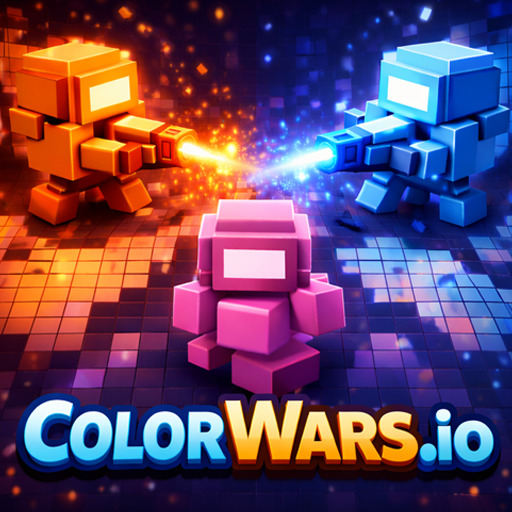
ColorWars.io
You spend most matches making uncomfortable decisions on purpose: push outward to claim more space, or turn back before someone cuts your line and wipes out the run. That risk-reward loop gives ColorWars.io its identity. It looks bright and readable, but the match flow is ruthless in a clean, tactical way. Expanding your zone feels useful only if you can actually hold it, and the gold system adds a smart layer because every defensive build slows your next offensive move. Shooting matters, but not in the usual arena-shooter sense; the best attacks come from catching opponents while they’re stretched thin outside their safe area. That makes every border skirmish feel tense instead of random. The leaderboard chase works because success isn’t just about reflexes. You need timing, map awareness, and the discipline to stop overextending one second earlier than you want to.
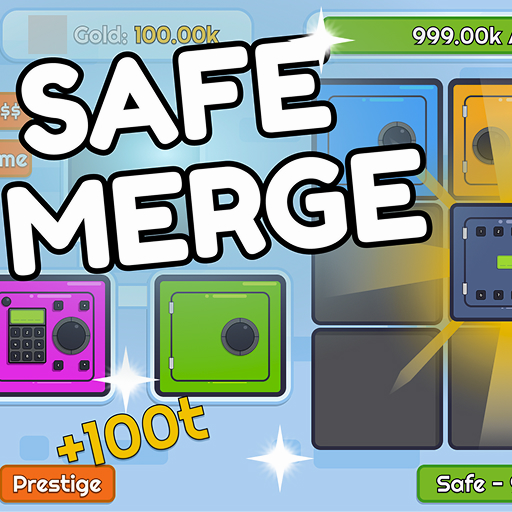
Safe Merge
You spend most of your time dragging matching safes together, but the hook is in how steadily the board opens up. Each merge pushes you toward a new safe design, and that visible checklist on the side gives the whole climb a satisfying sense of progress. It plays like a light idle game rather than a frantic puzzler, so the appeal is watching your setup become more efficient over time instead of chasing quick reactions. The prestige system gives the loop some needed bite: when progress slows, resetting for better income makes the next run feel smarter instead of repetitive. That rhythm of combine, unlock, stall, and restart is what carries it. Safe Merge is simple almost to a fault, but it understands the appeal of incremental progress and collectible upgrades. If you like low-pressure management games with a clear long-term target, this one settles into an easy groove.

Dream Kitchen
You spend most of your time juggling tiny delays that turn into big problems: a griddle left occupied too long, an order assembled in the wrong sequence, a customer queue that suddenly gets impatient. Dream Kitchen works because it keeps widening the menu without losing that click-fast clarity. One chapter has you managing pancakes, another shifts the rhythm with street-food timing, then later kitchens ask you to balance several stations at once. The star system pushes you to replay levels for cleaner runs rather than just scrape by, and the coin upgrades make a real difference when service starts to snowball. It is still a light, accessible cooking game, but the pressure curve is tuned well enough that you notice yourself getting sharper with each stage. The best moments come when a messy counter somehow turns into a perfect streak.
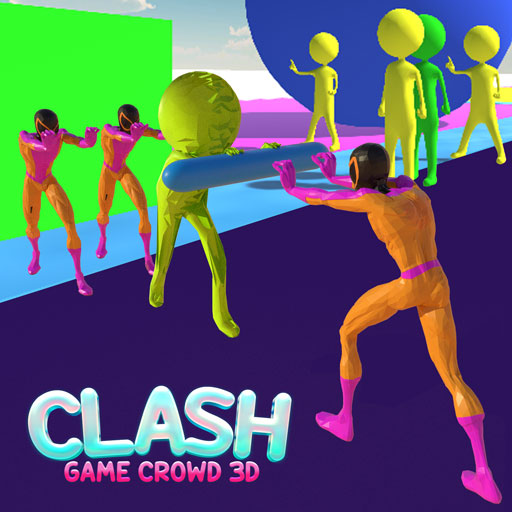
Clash Crowd Game
You’re guiding a moving crowd rather than a single runner, and that small twist makes the obstacle course feel more tense than a standard lane-dodger. Every hazard matters because one bad line can shave your group down fast, so the fun comes from reading gaps early and steering with just enough correction. The pace stays light and approachable, but there’s a steady survival pressure as you try to keep enough people together to make the finish. What works here is the simple rhythm: build momentum, thread through traps, recover, repeat. It’s easy to understand in seconds, yet each stretch asks for cleaner movement than you expect. The bright 3D look keeps things readable, which helps when the screen gets busy. If you like short runs built around crowd management and avoiding careless mistakes, this one has a satisfying, no-fuss loop.

Lost Things - Hidden Objects
You’re not racing a clock here; you’re scanning dense illustrated scenes for tiny, cleverly tucked-away items and gradually opening more of the map as your list shrinks. Lost Things - Hidden Objects leans into the pleasure of patient searching rather than challenge spikes, so the appeal comes from how busy each area feels and how often an object is hiding in plain sight. The animal-filled, character-packed artwork gives every screen a storybook clutter that keeps your eyes moving. What works especially well is the sense of progression: each batch of finds pushes you into a fresh section, which makes long sessions feel steady instead of repetitive. It’s a calm puzzle game that rewards focus, pattern recognition, and a willingness to slow down. If you like hidden object games that feel cozy and expansive instead of stressful, this one understands the assignment.
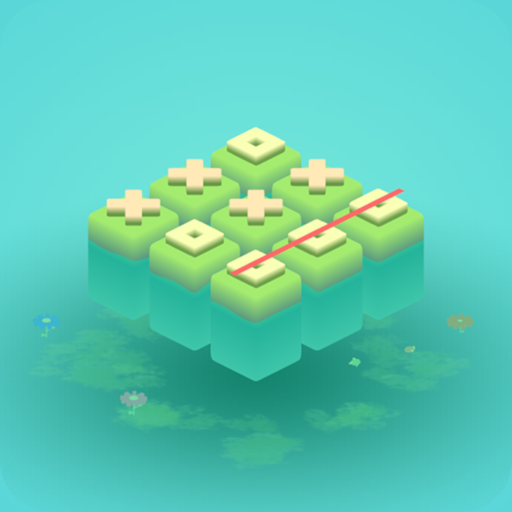
Tic Tac Toe - Match Three
You’re not just filling a three-by-three grid here; you’re reading tempo, baiting mistakes, and deciding when to block instead of chase your own line. This version keeps the familiar XO foundation but frames each round more like a compact pattern puzzle, so every placement feels heavier than it does in a throwaway schoolbook match. The appeal is in how quickly the board turns from obvious to tense. One careless move can hand over the center, open a fork, or waste the only square that mattered. It’s simple enough for kids to understand immediately, but it still rewards players who notice board shape and think one move ahead. Sessions stay short, which makes rematches easy, and that quick reset is part of the hook. You lose, spot the mistake, and want another round right away.
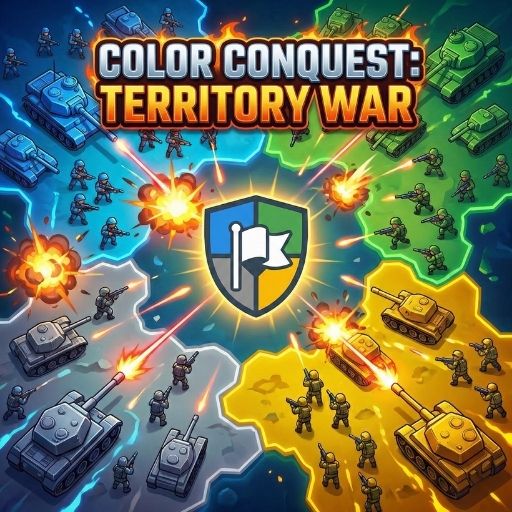
Color Conquest: Territory War
You spend most of your time reading the map rather than staring at individual fights, and that is what makes this territory battler work. Each faction changes the rhythm in a noticeable way: grey rewards slower, sturdier pushes, green lets you flood weak points, while blue and yellow sit in the middle and give you fewer excuses. The interesting part is how neutral zones pull you into risky expansion. Grabbing them boosts your capacity, but every stretch outward leaves something exposed, so overcommitting gets punished fast. Matches feel like a tug-of-war between greed and stability, with the camera constantly shifting to the next fire you need to put out. It is simple enough to understand in a minute, yet the faction differences and map control decisions give it more bite than a basic send-your-army skirmish.
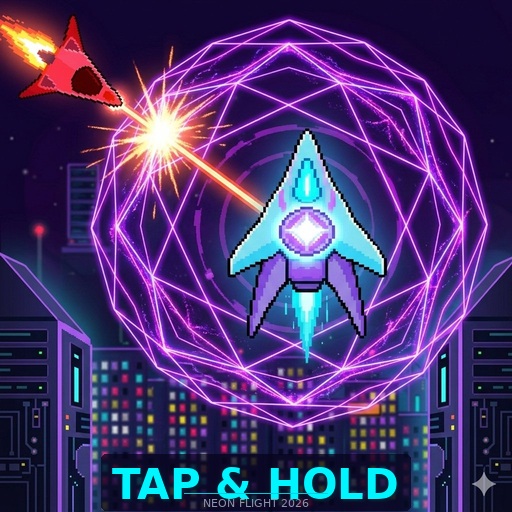
Tap-Hold
You spend the whole run riding a simple risk-reward rhythm: press to climb, let go to drop, then thread that movement through a neon obstacle course that gets tense faster than it first appears. The shooting label undersells it a bit; this feels more like a survival flyer where precision matters more than aggression. Coins tempt you into awkward lines, and the best moments come when you commit to a dangerous pickup route and barely squeeze back to safety. Power-ups break the pressure just enough to keep runs from feeling flat, while unlockable characters give you a decent reason to chase one more attempt. What works is the pace. It never asks for complicated inputs, but it does demand clean timing and a feel for momentum. One sloppy correction can turn a comfortable run into a crash, which makes every longer stretch feel earned.
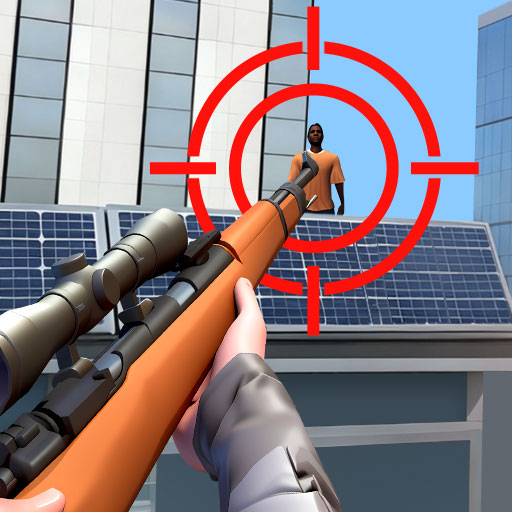
Mafia Sniper Crime Shooting
You spend most of your time lining up careful shots from a fixed vantage point, picking out mob targets before the scene gets too crowded or chaotic. The appeal here is the stop-and-shoot rhythm: pause, scan the street, confirm the mark, then commit. Because it leans on clean target-taking rather than gore or heavy realism, the focus stays on timing and accuracy instead of shock value. That makes each mission feel more like a test of observation than a pure reflex challenge. The mafia theme gives it a pulpy crime-movie flavor, but the actual play is simple and readable, which suits shorter sessions. If you like sniper games that keep the pressure manageable and let you enjoy the satisfaction of a well-placed shot, this one delivers a straightforward arcade version of that fantasy without bogging you down in clutter.
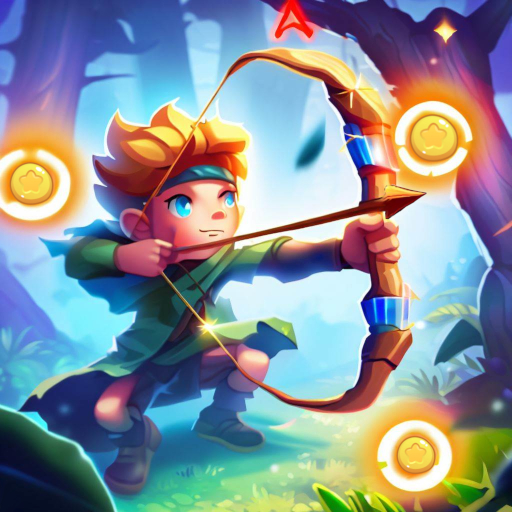
Archery Master - Bow and Arrow
Landing clean shots matters more here than firing fast. You spend most of your time judging angle, pull strength, and the tiny pause before release, while other archers try to drop you first. That mix of target practice and duel pressure gives the game its hook: every hit feels earned, especially when you stop rushing and start reading the arc of each arrow. Coins and score give you a reason to keep going, but the real appeal is the steady improvement in your aim from round to round. It has a simple arcade structure, yet the tension comes from small corrections rather than chaos. If you like shooters that reward patience over spray-and-pray reflexes, this one lands nicely. Miss high or release too early, and you immediately feel why precision matters.
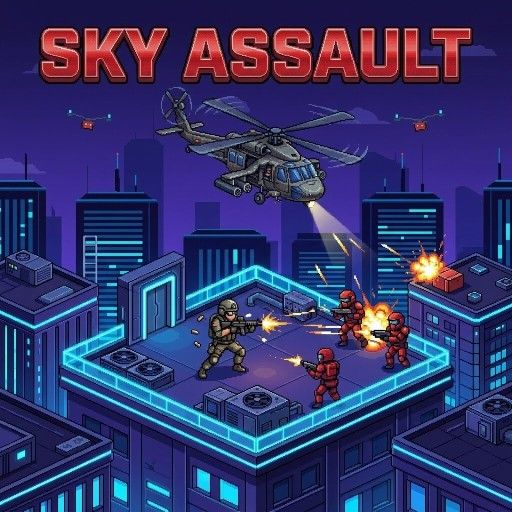
Sky Assault
You start with the worst kind of advantage: a drop into a tower full of enemies and nowhere to retreat but down. What makes Sky Assault work is the pressure of that descent. Each floor feels like a quick tactical problem, asking whether you should clear space carefully or push fast before you get boxed in. The neon high-rise look gives it a sharp arcade identity, but the real hook is how the random floor layouts keep you from settling into autopilot. Enemy variety matters here, because you keep adjusting to different attack patterns instead of mowing through the same targets forever. Boss fights breaking up the run every few levels help the pace, and crate looting adds a small risk-reward choice when you're low on ammo. It feels lean, readable, and tense in the way a good score-chasing shooter should.
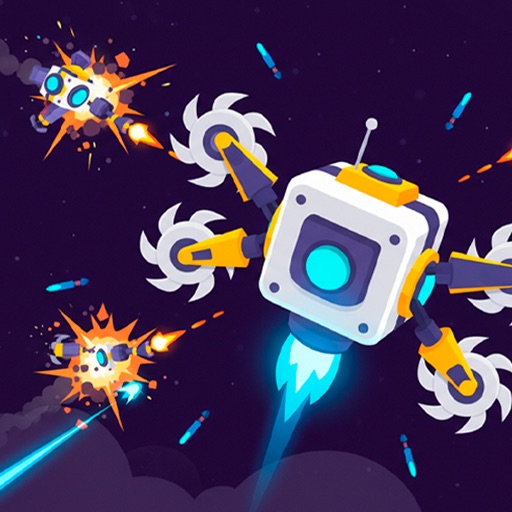
Space Craft: Ship War
You start with a modest cube-like ship, but the hook is how quickly it turns into a clunky, dangerous space fortress. Each run is about sweeping the map for new sections, weapons, boosters, and upgrades while keeping pace with enemies that are scaling up right alongside you. That constant arms race gives every level a nice tension: overextend for one more module, or play safe and keep your build intact. The best moments come when your ship stops feeling like a starter craft and starts behaving like a drifting weapons platform with its own awkward momentum. It is casual in structure, but there is enough build tinkering to make your choices matter. The bright 3D look and chunky effects suit the toy-box style, and the steady unlocks help the repetition feel purposeful instead of grindy.
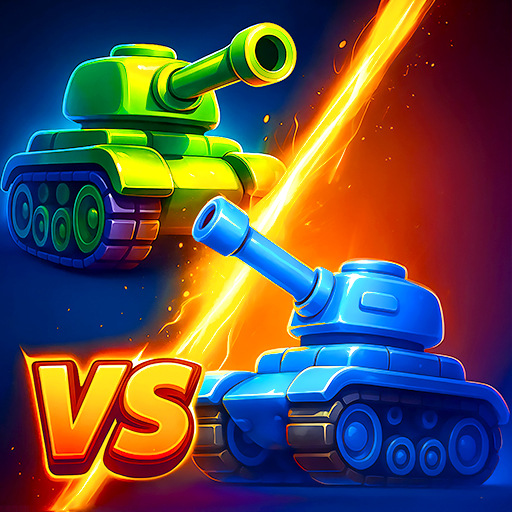
Fury Tanks
You spend most of Fury Tanks reading the landscape as much as the enemy. Each shot asks you to judge angle, power, and the shape of the hills between you and the opposing tank, so the match feels more like a measured artillery duel than a noisy arcade shooter. The upgrade hook helps too: stronger armor gives you a little room for error, while cannon boosts make clean hits feel properly heavy. What stands out is the pacing. There is enough pause between attacks to think through the next arc, but not so much that rounds drag. Miss badly and you usually know why, which makes the retry loop satisfying instead of random. It is a simple setup, but the mix of terrain, aim adjustment, and tank customization gives each exchange a tactical feel that suits short browser sessions.